



The laptop world is facing a supply chain headache, and Framework took the hit head on. Their prices jumped. Hard.
Here is the raw data: Framework’s proprietary LPCAMM2 memory modules nearly doubled in cost. A 32GB stick went from $439 to $800. The 64GB variant leaped from $849 all the way to $1,600.
That is not a rounding error. That is a market correction.
In a July 22 update, CEO Nirav Patel didn’t mince words. He said the cost increases from suppliers were “far beyond anything we had predicted.” Framework couldn’t absorb the loss without risking their financial stability. So, they passed the cost to buyers. Fair enough. We expected that.
But then came the twist.
Instead of just canceling existing orders or leaving customers to face sticker shock at checkout, Framework did something weird. They started rejiggering the pre-sold configurations for their Framework Laptop 13 Pro.
When inventory of the high-cost memory ran low, they swapped in cheaper, lower-capacity modules for later preorder batches. If you ordered a 64GB model, you might get 32GB instead. The kicker? The price stayed the same as the original 32GB configuration. You didn’t pay the inflated 64GB price for the 32GB part you received.
It means some folks got a different machine than they picked. But nobody got ripped off on the bill. Framework also offered a full refund if you didn’t like the swap.
Why Is There A RAM Shortage Right Now?
You might wonder why memory prices spiked so violently.
It’s called RAMageddon.
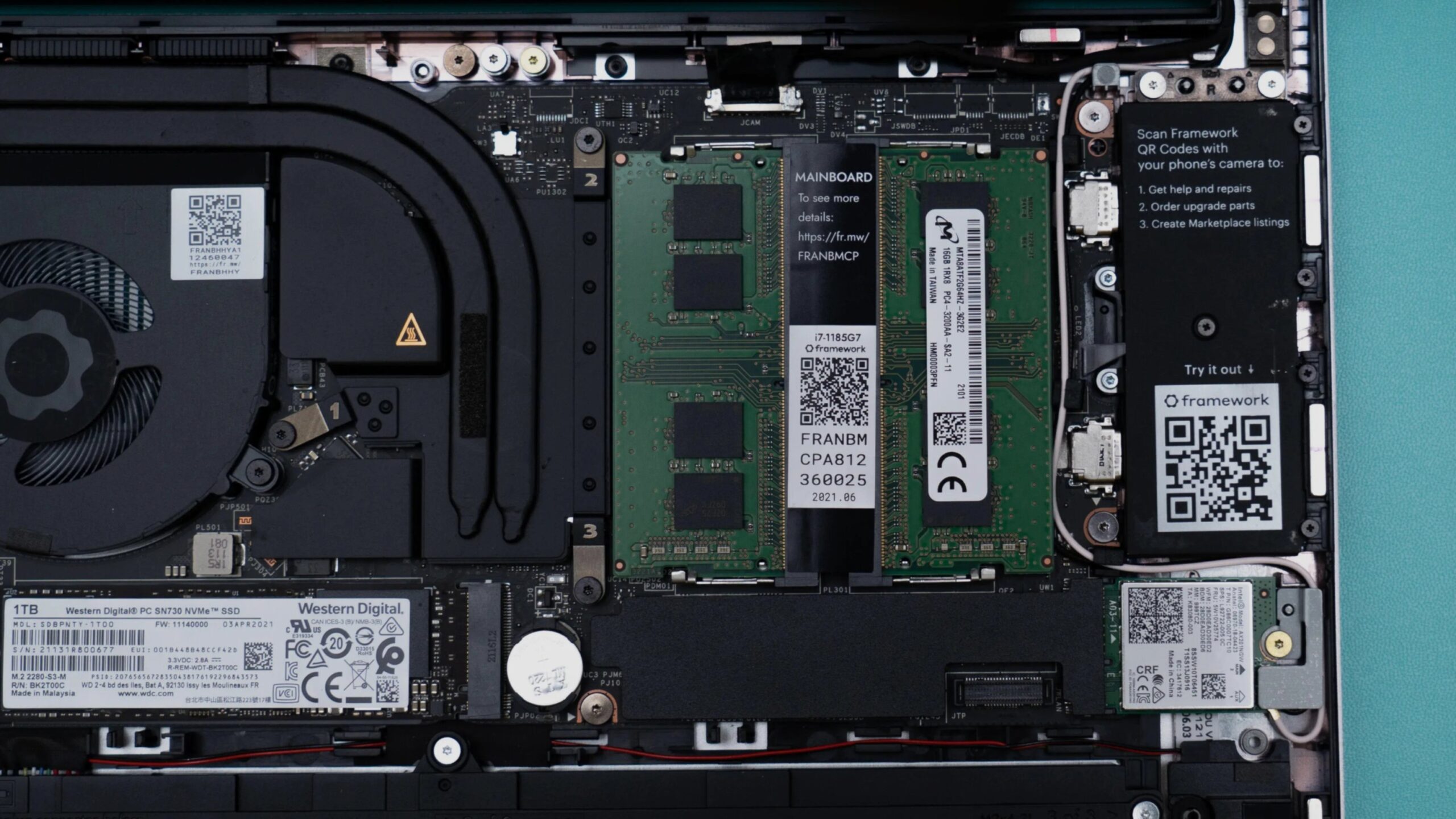
LPCAMM2 is the newer memory standard Framework uses. It’s similar to SODIMM but designed for ultra-thin laptops that usually have soldered memory. You can plug it in. You can swap it out. That’s the whole point.
But the factories making the silicon are busy elsewhere.
Micron, a major manufacturer, hinted at this shift back at CES 2024. The data center boom is eating up production capacity. AI training requires massive amounts of specialized memory. Factories are reallocating their most profitable resources toward servers and data centers.
The result? Less capacity for consumer goods. Laptops. Phones. External drives. Gaming consoles.
It’s a supply squeeze. The “ingredient list” for a laptop has gotten expensive across the board. Framework noted that costs aren’t just about memory. The Intel Core Ultra Series 3 processors, Ryzen AI 300 Series components, and even Windows licensing fees went up. Microsoft raised its fees in early July across all products, regardless of supply issues.
How Small Manufacturers Survive The Crisis
This situation highlights a divide between big tech and small builders.
Apple, Dell, and HP can often absorb these shocks or quietly swap parts without anyone noticing. They have the volume. They have the cash reserves. They can push a “one price fits all” model where the only direction is up.
Framework can’t do that.
They are stuck in the middle. They build modular machines because the rest of the industry moved toward sealed, soldered bricks. Now, even giants like Lenovo are backtracking slightly on the X1 Carbon to improve repairability, admitting that the soldered trend wasn’t perfect.
Framework’s strategy relies on transparency and modularity. If I need 64GB of RAM, I need 64GB. Getting 32GB is frustrating if my workflow depends on the extra capacity. But the beauty of the Framework ecosystem is that you can upgrade later. When the market stabilizes—and it will—you buy the stick and slot it in.
The modularity isn’t just a feature; it’s a hedge against supply chain volatility.
Small companies like Maingear offer “bring your own RAM” options for custom PCs. Framework offers public, real-time reactions to the crisis. They didn’t hide. They adjusted.
The memory crunch will likely persist for a while. Prices won’t drop overnight. But for the buyer, the lesson is clear: soldered machines trap you. Modular ones give you an exit strategy.
The question isn’t whether prices will stay high. It’s whether you’re willing to wait for the dust to settle. Or if you’ll pay the premium now and upgrade later.