



SpaceX finally fired up Starship Version 3. The most powerful rocket ever built. It rose from Texas at 5:30 p.m. Local time.
The Super Heavy booster pushed the stack skyward. Separation happened quickly. The upper stage headed out while the booster tried to come home. It was supposed to pitch away and dive toward the Gulf of Mexico for a simulated landing. Instead, the engines failed to reignite properly. No sustained burn. No catch. The booster tumbled into the water. Likely exploded.
So much for a perfect return.
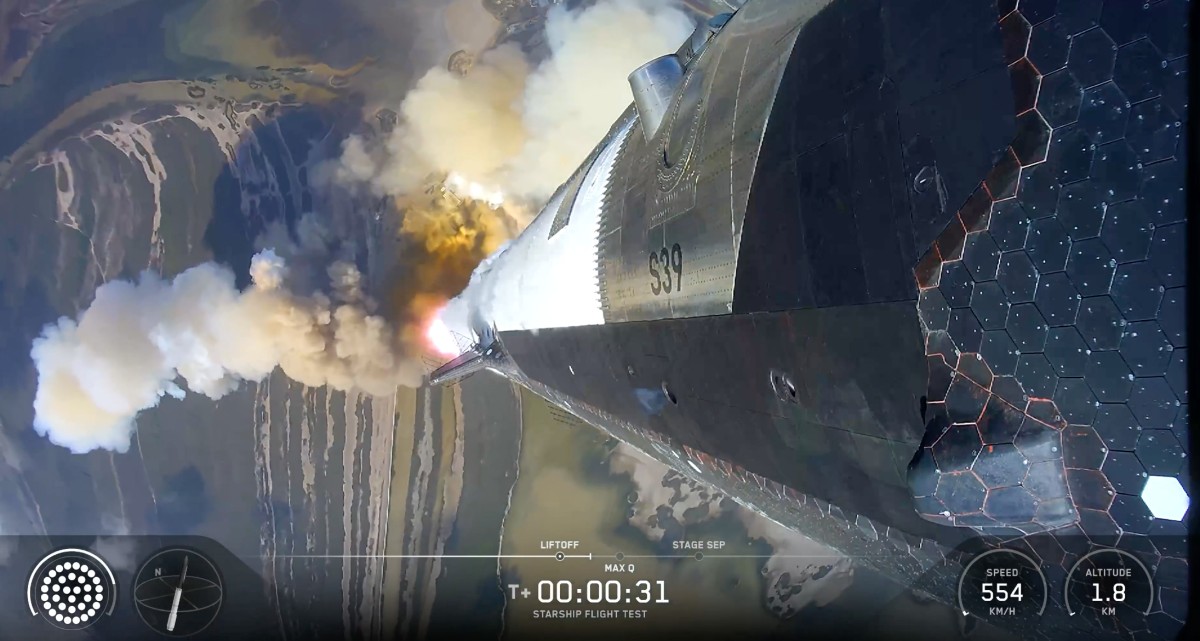
Meanwhile, Starship itself was fighting its own battle. One of the six Raptor engines gave out during ascent. Did it matter? Not really. The vehicle kept flying. It dumped all 20 Starlink satellite simulators plus two modified sats meant to film the hull. An hour after liftoff, the ship simulated a landing in the Indian Ocean. Then it tipped over and blew up. Just as planned.
A win? Sort of. A loss? Definitely.
“The test launch comes at a historical inflection point.”
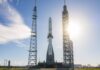
This wasn’t just another flight test. It was the real shakedown of hardware that’s been cooking in development for months. SpaceX also debut an entirely new launchpad at Starbase. They’ve been building it for years.
There is money riding on this momentum. The IPO filing went public this week. Expect a Nasdaq listing by mid-June. We are talking about raising around $75 billion. That cash isn’t for vanity. It funds deeper development. Massive AI ambitions. And paying down debt from xAI and Musk’s X corporation. This might be the last test launch that happens without a stock market reacting to every flame-out.
Why Starship? It’s the only vehicle SpaceX trusts for moon and Mars missions. That is the big picture dream. The near-term reality? Delivering better Starlink satellites. Starlink is the profit engine. The rest of the business burns cash.
It’s been a rough stretch. The last Starship flight was in October 2025? (Assuming current date context aligns or noting the gap). There was a November explosion of a test booster. Then Thursday’s launch got scrubbed because a hydraulic pin on the tower arm refused to move. Musk had to call it off.
Now V3 is in the wild. It uses third-gen Raptor engines. Simpler design. More thrust. Meant to be caught by the tower claws easier.
The booster is gone. The ship is dust. But the machine keeps turning.