



Bans hurt.
That’s the warning from scientists right now. Australia went ahead. Others are lining up behind it. The goal is noble enough: protect kids from digital doom.
The execution? Flawed.
Without this wider view, governments risk introducing policies that may cause unintended harm.
Think about how these bans actually work in the wild.
You lock the front door. Teenagers just crawl through the window. Or they jump the fence.
Researchers point out a simple system dynamic here. Social media doesn’t exist in a vacuum. It sits inside a massive web involving families, schools, governments, and the kids themselves. You can’t tweak one part and expect the rest to fix itself. A blanket ban ignores the ecosystem entirely.
What happens next is predictable. Big Tech adapts.
Look at tobacco. Look at alcohol. The industry shifted when regulations hit. Social media giants will do the same.
They’ll redefine “social media.” They’ll move operations to darker, less regulated corners of the web. They’ll lobby harder. They’ll reshape the political narrative.
It’s not conspiracy. It’s business logic.
And here’s the messy part: the impact isn’t equal.
If a kid has parents who are present, a good school, and actual hobbies? Maybe the ban helps.
But the isolated kid? The one with an unsafe home or zero support system? Social media was their lifeline. Their escape hatch.
I have had friends reach out to me about things I wasn’t comfortable telling family members to.
An adolescent author put it plainly. Social media is where friendships live. Where people find their tribe. Where they express themselves without fear of immediate judgment at the dinner table.
Ban Instagram. Ban TikTok.
Does that stop them from connecting? No.
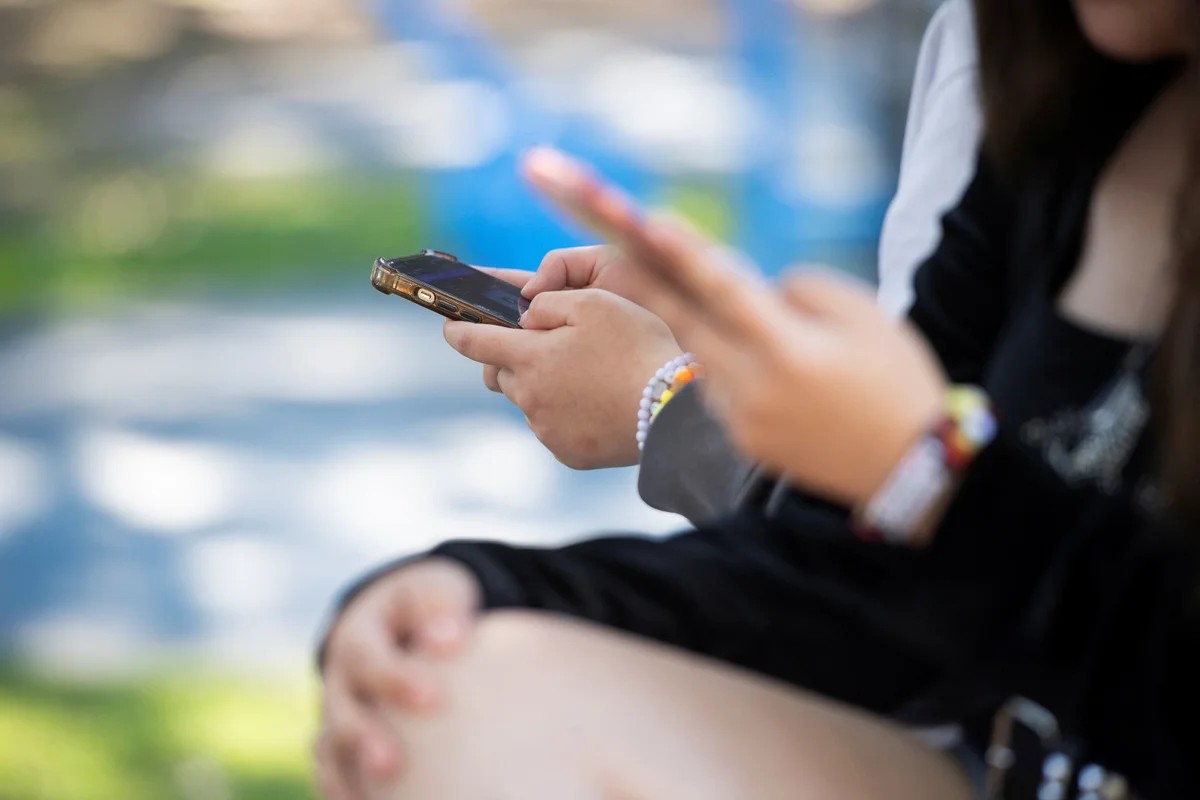
Kids are digital natives. They migrate fast. To apps nobody knows yet. To servers no one can monitor. To places much scarier than a regulated platform ever was.
So what do we do instead of swinging a hammer?
Design better systems.
We need evaluations that go past “screen time equals bad mental health.” That metric is outdated. Lazy, even.
We need to look at school engagement. Real social bonds. How industries respond to rules. Long-term effects. Not just the mood of yesterday.
The European Union is preparing a massive sweep across its 27 nations. Britain, China, India, the US are all weighing in. TikTok, YouTube, Facebook—they are the targets.
But will any of this change the root cause?
Or are we just watching a game of regulatory whack-a-mole that leaves the most vulnerable kids exactly where we started.
Alone. But now on an app we can’t find.