




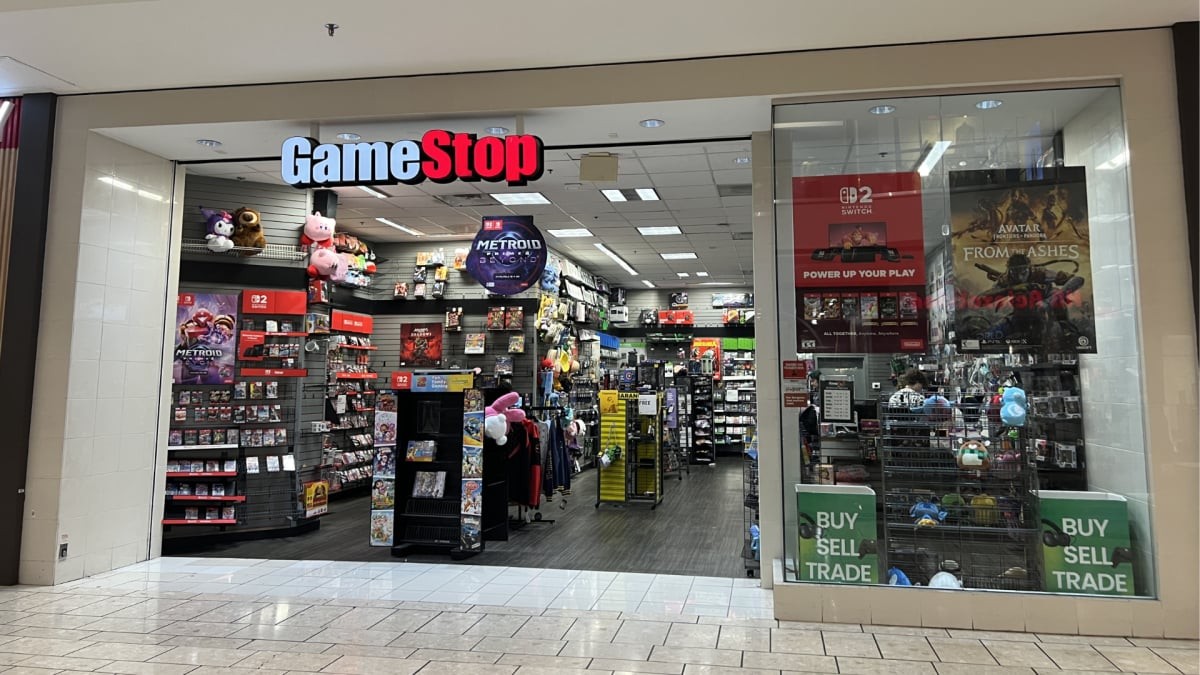
In a move that has sent shockwaves through the retail and tech sectors, GameStop has announced its intention to acquire eBay for approximately $56 billion. The proposal values the e-commerce giant at $125 per share, representing a 46% premium over eBay’s closing price on February 4, 2026.
This announcement is not just a corporate merger; it is a dramatic pivot for a company once defined by its struggle against digital obsolescence. The deal raises immediate questions about financial feasibility, strategic logic, and the future of retail infrastructure.
The Financing Puzzle
The most pressing question surrounding the deal is simple: How does a company with an $11.8 billion market capitalization afford a $55.5 billion acquisition?
GameStop’s strategy relies on a combination of internal assets and external leverage:
* Cash Reserves: The company currently holds approximately $9.4 billion in cash and liquid investments.
* Debt Capacity: GameStop has secured third-party financing options totaling up to $20 billion.
* Equity Swap: The remaining portion of the purchase price will be covered by issuing new GameStop common stock to eBay shareholders.
* Existing Stake: GameStop has already quietly accumulated a 5% stake in eBay, positioning itself as a significant insider before making the public offer.
Key Insight: While the cash and debt coverage appear substantial, the reliance on stock issuance dilutes existing shareholders. The success of this deal hinges on whether investors believe the combined entity will be worth more than the sum of its parts.
From Brick-and-Mortar to Digital Powerhouse
To understand the significance of this bid, one must look at GameStop’s turbulent history. Once a global retail titan with over 6,000 stores, the company faced a steep decline in the 2010s as consumers shifted to digital game downloads. This trajectory made GameStop a prime target for short sellers, who bet heavily on its continued collapse.
However, the narrative changed in 2021, when a wave of retail investors, coordinated via online communities, drove the stock price to historic highs in a famous short squeeze. Since then, GameStop has undergone a strategic overhaul:
* Business Pivot: Shifting focus from physical video games to collectibles and digital assets.
* Crypto Strategy: Adopting a Bitcoin treasury policy to diversify holdings.
* Financial Strength: Accumulating significant cash reserves despite ongoing operational headwinds.
The Strategic Rationale: Why eBay?
GameStop argues that the acquisition is not merely about buying a brand, but about infrastructure integration. The company plans to revitalize eBay through aggressive cost-cutting measures and by leveraging its physical footprint.
Specifically, GameStop intends to use its remaining retail locations to create a “national network for authentication, intake, fulfillment, and live commerce.” This addresses a major pain point in the second-hand market: trust and logistics. By offering physical verification and streamlined shipping, GameStop aims to bridge the gap between online marketplace efficiency and offline consumer confidence.
What This Means for the Market
This bid highlights a broader trend in retail: the convergence of physical and digital commerce. Traditional brick-and-mortar stores are no longer just points of sale; they are becoming logistics hubs and trust anchors for digital platforms.
If successful, this deal would transform GameStop from a niche retro-games retailer into a major player in the global e-commerce arena. However, the execution risk is high. Integrating two vastly different corporate cultures and managing the debt load required for such a large acquisition will test GameStop’s management team like never before.
Conclusion
GameStop’s $56 billion bid for eBay represents a bold attempt to redefine the company’s identity and secure its future in a digital-first economy. While the financial structure is ambitious, the strategic goal of combining eBay’s digital reach with GameStop’s physical logistics network offers a compelling vision for the next era of retail.