




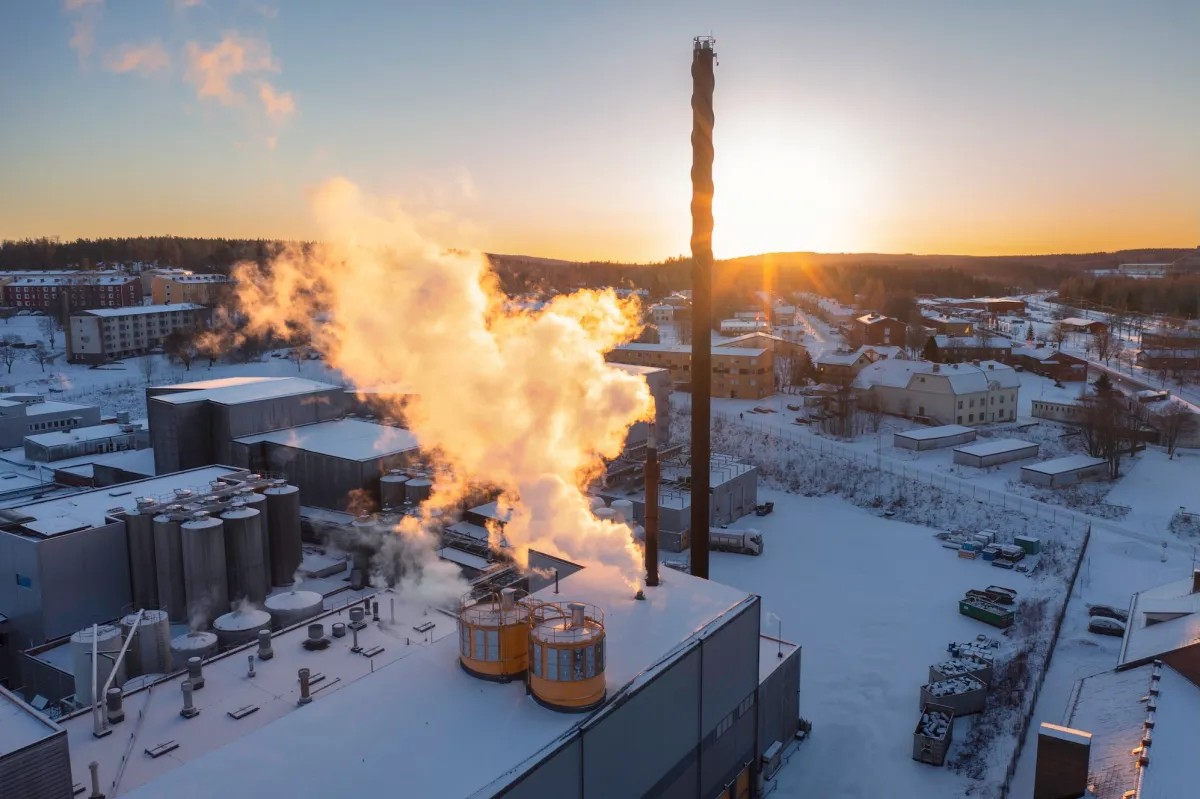
Sweden has officially accused Russian state-linked hackers of attempting a “destructive” cyberattack against one of the nation’s thermal power plants. While the attempt was ultimately thwarted, the incident highlights a dangerous shift in digital warfare: the transition from mere disruption to attempts at causing physical, real-world damage to critical infrastructure.
An Attempted Breach of Critical Infrastructure
During a press conference on Wednesday, Sweden’s Minister of Civil Defense, Carl-Oskar Bohlin, revealed that the attack occurred in early 2025. While the specific facility was not named, Bohlin confirmed that the breach was successfully blocked by the plant’s built-in protection mechanisms.
The Swedish government has attributed the operation to hackers with direct ties to Russian intelligence and security services. According to Bohlin, the nature of these operations is evolving:
“Pro-Russian groups that once carried out denial-of-service attacks are now attempting destructive cyber attacks against organizations in Europe.”
This distinction is vital. In the past, many cyberattacks focused on “Denial-of-Service” (DoS)—essentially overwhelming a website or network to make it slow or inaccessible. The new trend involves destructive attacks, which aim to manipulate or shut down industrial control systems, potentially leading to equipment failure, power outages, or physical harm.
A Growing Pattern of Hybrid Warfare
The incident in Sweden is not an isolated event but part of a broader, more aggressive pattern of hybrid warfare. This strategy uses cyber operations to complement or precede traditional political or military pressure, targeting the very systems that keep modern society functioning.
Recent history shows a clear escalation in the targeting of essential services across Europe:
- Norway: Hackers briefly seized control of a dam, opening floodgates and releasing millions of gallons of water before being expelled.
- Poland: In December 2025, Russia was accused of attempting to destabilize parts of the Polish power grid.
- Ukraine: In early 2024, a cyberattack on an energy company in Lviv left hundreds of residents without heat during freezing temperatures.
Why This Matters
The shift toward targeting energy and water systems represents a significant escalation in global security risks. By moving beyond data theft and into the realm of infrastructure manipulation, state-sponsored actors are testing the limits of international norms and the resilience of civilian life.
The fact that these attacks are increasingly “reckless,” as Bohlin described, suggests that attackers are becoming more willing to risk direct confrontation and international condemnation to achieve their objectives. This raises urgent questions for European nations regarding the integration of cybersecurity into general civil defense and the necessity of robust, automated defense mechanisms in all critical utilities.
Conclusion
The attempted attack on Sweden’s thermal plant signals a transition from digital nuisance to high-stakes physical sabotage. As state-linked actors increasingly target energy and water sectors, the line between cyberspace and physical safety continues to blur.