



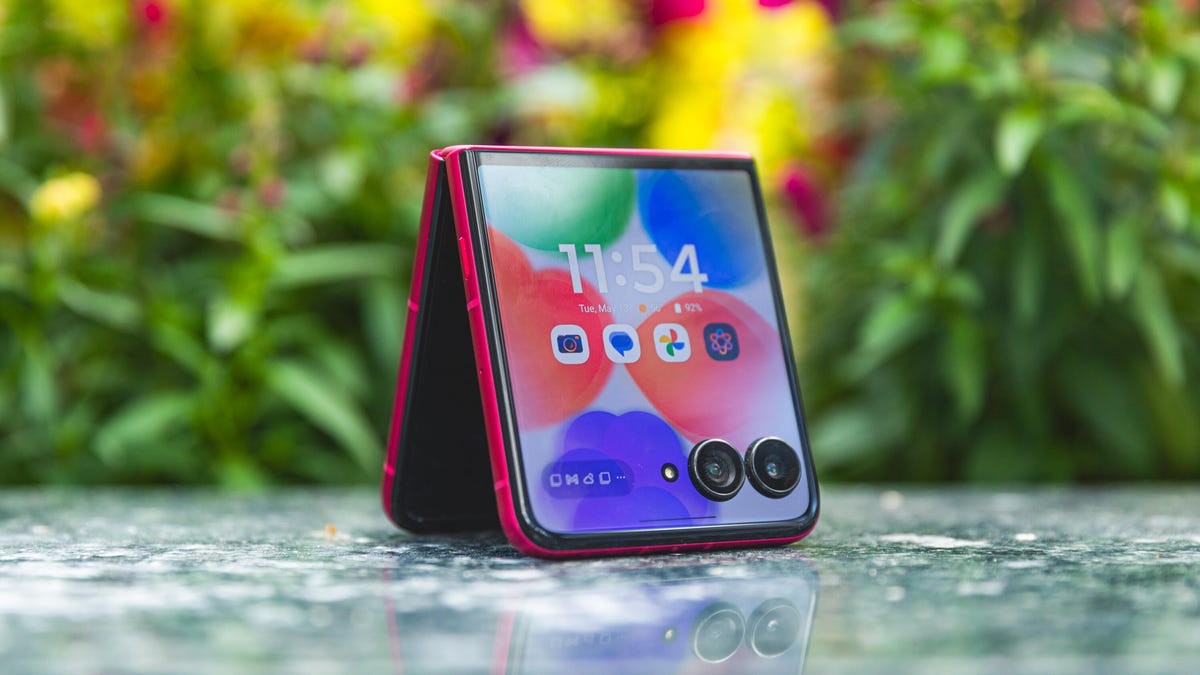
As Motorola prepares to unveil its next generation of foldables this Wednesday, all eyes are on the upcoming Razr Ultra and Razr Fold. Positioned as premium flagships, these devices are intended to compete directly with the high-end offerings from Apple, Samsung, and Google.
However, as rumors suggest a potential price hike—with the Razr Ultra possibly starting at $1,500 —Motorola faces a significant challenge: justifying that premium cost to American consumers. While the hardware is often flashy, a gap exists between the US models and Motorola’s international lineup in several critical areas.
The Software Support Gap
The most pressing issue for Motorola in the US market is longevity. In an era of rising electronics costs driven by inflation and component scarcity, consumers are increasingly looking for devices that last.
- The Current Standard: Recent flagship models from competitors have moved toward six to seven years of software and security updates.
- Motorola’s US Offering: The previous Razr lineup only promised three years of software updates and four years of security patches.
This disparity is particularly notable because Motorola has already demonstrated it can do better. The Motorola Signature, released in international markets, offers a massive seven years of support. If the Razr Ultra is to compete with the Galaxy S26 Ultra, long-term software stability should no longer be an optional “extra”—it must be a baseline requirement.
Hardware Potential: Thinness vs. Battery Life
Design trends in 2025 have shifted heavily toward thinner, more pocketable devices. While Samsung has made strides with the Galaxy Z Fold 7 and the ultra-thin S25 Edge, Motorola has proven it possesses the engineering capability to lead in this category.
The international Motorola Edge 70 is a prime example of this potential. It features:
– A remarkably thin 5.99mm body.
– A lightweight 159-gram frame.
– A robust 4,800-mAh battery.
Despite this, current rumors suggest the new Razr Ultra might actually become thicker to accommodate a larger battery. While increased battery capacity is a logical trade-off, it highlights a missed opportunity to utilize the ultra-slim engineering Motorola has already perfected with its Edge series.
Closing the Charging Speed Divide
Charging performance is another area where international users currently enjoy an advantage. While the US Razr Ultra offers respectable 68W wired charging, Motorola’s global products are pushing much higher limits:
- The Motorola Signature supports 90W wired and 50W wireless charging.
- The Razr Fold (per UK listings) is expected to feature 80W wired charging.
Bringing these higher speeds to the US market would provide a tangible, high-performance benefit that justifies a premium price tag.
Summary
For Motorola to successfully capture the high-end US foldable market, it must look beyond mere aesthetics. By aligning its US Razr lineup with the superior software support, slimmer designs, and faster charging found in its international models, Motorola can transform the Razr from a fashion statement into a true flagship powerhouse.
Conclusion: To justify a $1,500 price point, Motorola must ensure its US flagship isn’t just stylish, but also matches the long-term reliability and technical specifications of its global counterparts.