





Social media isn’t just a place to scroll. It’s a digital town square. Every day, billions of tweets, photos, and posts flood in. Some fade. Some explode. The ones that stick are called Trend Topics (TT).
These tags track the current pulse. Politics. Sports. Pop culture. Entertainment. A simple hashtag (#) can push a topic to the top of a platform’s list. It draws in millions. It creates a shared moment.
Why do these topics matter? They reflect what people are talking about right now. They show collective anxiety, joy, or anger. We look at the recent trends in Türkiye. We break down why they blew up. We see what users shared and why it got attention.
1. #DolarTL
The exchange rate. It’s always on everyone’s mind in Türkiye. #DolarTL isn’t just a financial term. It’s a daily concern for millions. When this tag trends, it usually means the currency pair is making significant moves.
Users don’t just post numbers. They share personal stories. How does the rate affect grocery bills? Rent? Imported goods? The tag becomes a space for economic venting and real-time market discussion. It’s not abstract economics. It’s about survival and budgeting.
Why does it trend? Volatility. When the dollar rises against the lira, anxiety spikes. People turn to social media to compare rates, share news, and seek reassurance. It’s a crowd-sourced economic barometer.
“It’s not just data. It’s your weekly shopping list.”
This trend highlights the direct link between global finance and local daily life. For anyone tracking the Turkish market, watching #DolarTL is essential. It tells you where the pressure is.

#Altın
If you have been scrolling through Turkish social media lately, the narrative shifts from fiat currency to the yellow metal. #Altın isn’t just a ticker symbol. It is a cultural barometer. When the Lira wobbles, the gold price spikes. When inflation runs hot, people stop counting their lira and start weighing their gold.
The hashtag #Altın tracks the domestic price of gold per gram. It is the go-to search term for anyone trying to gauge their financial pulse during volatile markets. Unlike the broad economic chatter surrounding the dollar exchange rate, this tag is more specific. It focuses on tangible assets. It answers the immediate question: “What can I actually hold that holds its value?”
Why Gold Dominates the Conversation
You might wonder why gold gets so much attention compared to other commodities. The answer lies in history and psychology. In Turkey, gold isn’t just an investment class. It is a savings account. Generations have trusted physical gold over paper currency.
This trust drives massive search volume. Users aren’t just looking for price charts. They are looking for the current gram price, the ounce price, and the price of different karats. They want to know where to buy. They want to know where to sell. The search intent here is practical, not speculative.
- #AltınGram : Searches for the daily price of one gram of 24-karat gold.
- #GramAltın : A variation often used by casual browsers and mobile users.
- #ÇeyrekAltın : Tracks the price of the traditional 7.2-gram coin. This is a staple in Turkish households.
- #YarımAltın : The half-coin. Popular for smaller transactions and gifts.
- #CumhuriyetAltını : The 7.5-gram gold coin. Often viewed as the most prestigious store of value.
- #ÇiftYarım : Two half-coins. A common unit for wedding dowries or large savings.
How Prices Are Calculated
The numbers you see on Twitter or Instagram are not static. They fluctuate with global spot prices and the USD/TRY exchange rate. The formula is straightforward but the impact is heavy.
- Global spot price per ounce.
- Conversion to USD per gram.
- Conversion to Turkish Lira.
- Dealer premiums and taxes.
This creates a ripple effect. A small jump in the dollar rate can push the gram price up significantly. This is why the #Altın hashtag trends alongside #DolarTL. They are tied together. You cannot fully understand one without looking at the other.
Where to Find Reliable Data
There are too many price boards to trust blindly. Scams exist. Fake quotes appear. Users have learned to be selective.
- Official exchanges : Check the Istanbul Gold Exchange (IGF) reports for baseline data.
- Major jewelry chains : Large retailers update their sites daily. Their prices reflect the market reality.
- Financial news portals : Reputable outlets aggregate data from multiple sources to provide an average.
Avoid random blogs or unverified Instagram accounts. The stakes are too high for misinformation. If you are planning to buy or sell, cross-reference at least three sources.
The Psychological Impact
Beyond the numbers, there is a mood. When the #Altın chart

The #Altın hashtag isn’t just metadata. It’s a real-time ticker for anxiety and opportunity. Investors use it to track price swings. Speculators use it to find trends. In Turkey, gold isn’t a niche interest. It’s a cultural staple. When prices wobble, the hashtag volume spikes. Social media becomes the town square for every fluctuation.
People aren’t just watching charts. They are sharing fears. They are posting wins. They want to know if buying now is smart or suicidal. The hashtag aggregates all that noise into one searchable stream. It turns isolated anxiety into a collective conversation.
3. #Hedef 2023
The mechanics of digital discourse: How #Hedef2023 reshaped the Turkish online narrative
Social media isn’t just a place for cat videos anymore. It has become the primary engine for how news travels, how arguments ignite, and how public opinion shifts in real-time. In Turkey, this phenomenon culminated in a specific digital fever dream: #Hedef2023.
This wasn’t a random viral moment. It was a structured, hashtag-driven conversation centered on the country’s 100th anniversary of the republic in 2023. The tag served as a digital town square—a place where citizens could dissect, debate, and display their vision for the nation’s future.
Who drove the conversation around #Hedef2023?
If you were looking for the architects of this trend, you wouldn’t find them in the entertainment sector. The users of #Hedef2023 were primarily those invested in the machinery of the state. Economists. Politicians. Activists. Thinkers.
The year 2023 was treated not just as a calendar date, but as a deadline. A benchmark. The hashtag provided a channel for discussing everything from macroeconomic growth targets to the gritty details of employment policies. It was about the tangible stuff. Infrastructure projects. Healthcare reforms. Educational standards. Even the nuances of foreign relations found their way into the comment sections.
People used the tag to track progress. Or to highlight failures. There was no middle ground. You were either supporting the stated goals or critiquing the path to get there.
The intersection of policy and personal opinion
What made #Hedef2023 distinct was its breadth. It wasn’t limited to one political party or one demographic. It forced a collision between high-level government targets and everyday citizen concerns.
When someone posted about inflation under this tag, it wasn’t just an economic observation. It was a political statement. When a teacher discussed curriculum changes, it became part of the national conversation about the 2023 vision. The platform allowed for a chaotic, unfiltered aggregation of public sentiment.
This level of engagement changed how organizations and individuals communicated. You couldn’t ignore the tag if you wanted to be part of the conversation. It became a metric for relevance. A way to show you were paying attention to the “big picture” that the state had promised.
The legacy of the digital deadline
Looking back, the #Hedef2023 campaign was more than just a marketing effort or a political slogan. It demonstrated the power of social media to frame national identity. It turned abstract policy goals into a shared digital experience.
Users didn’t just read about the targets. They argued about them. They shared personal stories that connected to broader economic trends. They held up a mirror to the government’s promises.
The conversation didn’t end when the year turned. The data, the arguments, and the sentiment gathered during that period remain a snapshot of what Turkish society prioritized when the century mark approached. It proved that even in a fragmented digital landscape, a single tag can unite millions in a singular, albeit contentious, focus.
4. #Asgari
The logic of a hashtag is rarely pure. It is algorithmic. It feeds on engagement, and engagement feeds on outrage or solidarity. So when you see a trend, you are seeing a mirror of collective anxiety.
The #Asgari tag was no different. It wasn’t just a label. It was a battleground.
The Economics of Survival
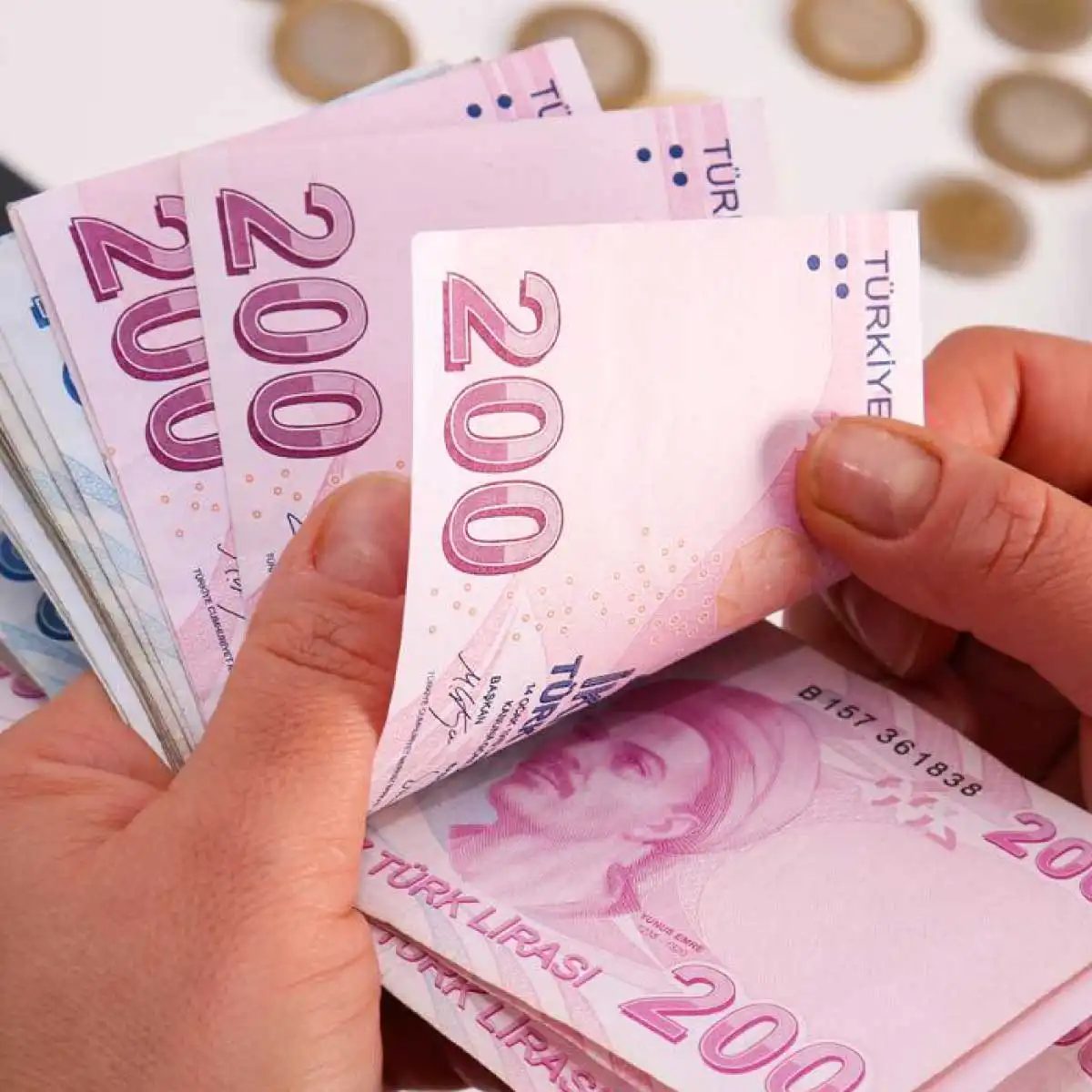
We need to be clear about what this hashtag actually tracked. It wasn’t about abstract economic theory. It was about whether the money in a paycheck could cover rent. In Turkey, where housing costs in major cities have skyrocketed while wages lagged, this became a visceral issue.
People used #Asgari to dissect the disconnect between the official minimum wage figures and the reality of the supermarket basket. They questioned the adequacy of the increase. Was it enough to keep up with inflation? Or was it a drop in the ocean?
This wasn’t just complaining. It was a form of digital organizing. Workers, gig economy drivers, and service staff found a shared language. They highlighted how labor rights were often theoretical on paper but non-existent in practice. The hashtag became a repository for stories of exploitation, of hours worked beyond contract limits, of conditions that felt increasingly unsustainable.
It forced a conversation that policymakers often tried to ignore. If the minimum wage doesn’t cover basic needs, what is its function? Is it a wage, or is it a subsidy for employers? The users of #Asgari were asking exactly that.
5. #Seçim
And then there is #Seçim.
This tag is different in texture. It is less about daily survival and more about structural power. It appears when the ballot box becomes the primary mechanism for change.
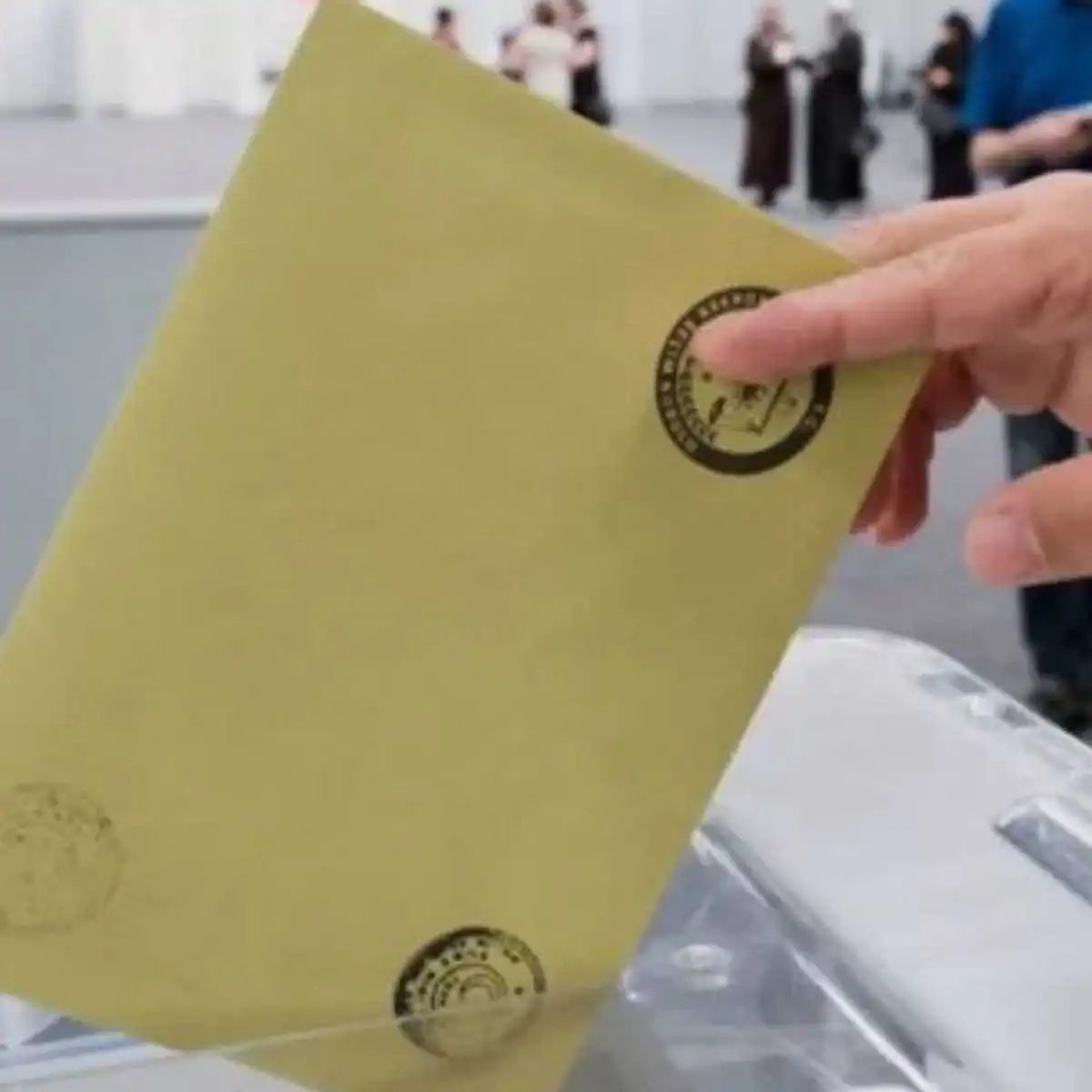
In the Turkish context, elections are not just administrative events. They are high-stakes theatrical productions where every policy, every social issue, and every economic metric is weaponized. The hashtag #Seçim captures the noise. It captures the polarization.
When you scroll through #Seçim, you aren’t seeing policy papers. You are seeing memes, angry rants, hopeful slogans, and disinformation campaigns. It is a chaotic feed. But beneath the chaos is a serious question: who gets to decide the direction of the country?
The intersection of #Asgari and #Seçim is where the real story lies. Because the minimum wage debate is often the central plank of election campaigns. Candidates promise increases. Workers demand them. The hashtag becomes a way to hold those promises accountable.
It is a cycle. The cost of living rises. The hashtag trends. The election approaches. The promises are made. The votes are cast. And then the cycle begins again.
Why do we trust the ballot more than the street? Why do we trust the politician more than the union? These are the questions lurking behind the tags. The data is there. The anger is there. But the solution? That remains elusive.
Türk sosyal medyanın temposu hiç durmuyor. #Seçim gibi ağır politik konuların ardından, dikkatler başka bir alana kayıyor. Futbol tutkusu her yerdeki gibi burada da zirve yapıyor. #derbi etiketi, son dönemde Türkiye’deki trend listelerine hızlıca giren bir başka başlık.
Bu hashtag, sadece iki takım arasındaki maçları değil, taraftarlar arasındaki gerilimi, tarihsel rekabeti ve o anki duyguları barındırıyor. #Seçim gibi siyasi bir tartışma alanıysa, derbi kavramı sporun en sıcak, en riskli ve en çok konuşulan noktası.
Neden Bu Kadar Popüler?
Derbiler, sıradan lig maçlarından farklı bir enerjiye sahip. Taraftarlar için bu, sadece puan difference değil, gurur meselesi. Sosyal medya ise bu duyguları hızla çoğaltıyor.
- Anlık Tepkiler: Gol anında, kırmızı kartta veya tartışmalı hakem kararında sosyal medya adeta bir gürültü merkezi haline geliyor.
- Tarihsel Bağlam: Geçmiş derbi sonuçları, eski husumetler ve efsanevi anlar bu tartışmalara renk katıyor.
- Taraftar Kimliği: Kişilerin takımlarını belirtmesi, bir topluluk içinde yer edinme arzusunu yansıtıyor.
Kimler Kullanıyor?
Sadece taraftarlar değil, spor yorumcuları ve gazeteciler de bu etiketi aktif kullanıyor. Analizlerini, istatistiklerini ve maç özetlerini paylaşarak daha geniş kitlelere ulaşmaya çalışıyorlar.
“Derbi, futbolun kalbidir; ama sosyal medyada kalp krizi de yaratır.”
Fark Yaratan Detaylar
Sıradan maçlarda kullanılan etiketlerden farkı, derbi nin daha polarize bir dil kullandırmasıdır. Eleştiriler daha sert, destekler daha coşkulu. Bu durum, algoritmanın içeriği daha hızlı yaymasını sağlıyor.
Türkiye’de derbi kültürü derin köklere sahip. Bu nedenle, etiket kullanımı da sadece yerel değil, uluslararası takipçiler için de ilgi çekici. Yabancı spor yorumcuları bile bu tür duygusal patlamaları takip ediyor.
Sonuç Yerine
Derbi etiketi, sporun ötesine geçerek bir kültürel olayın yansıması. #Seçim tartışmalarındaki gibi ciddi ve sonuç odaklı olmasa da, aynı derecede yoğun bir etkileşim yaratıyor. Hangisi daha önemli? Puan tablosu mu, yokca tribünlerdeki o atmosfer mi? Cevap, her maçta değişiyor.
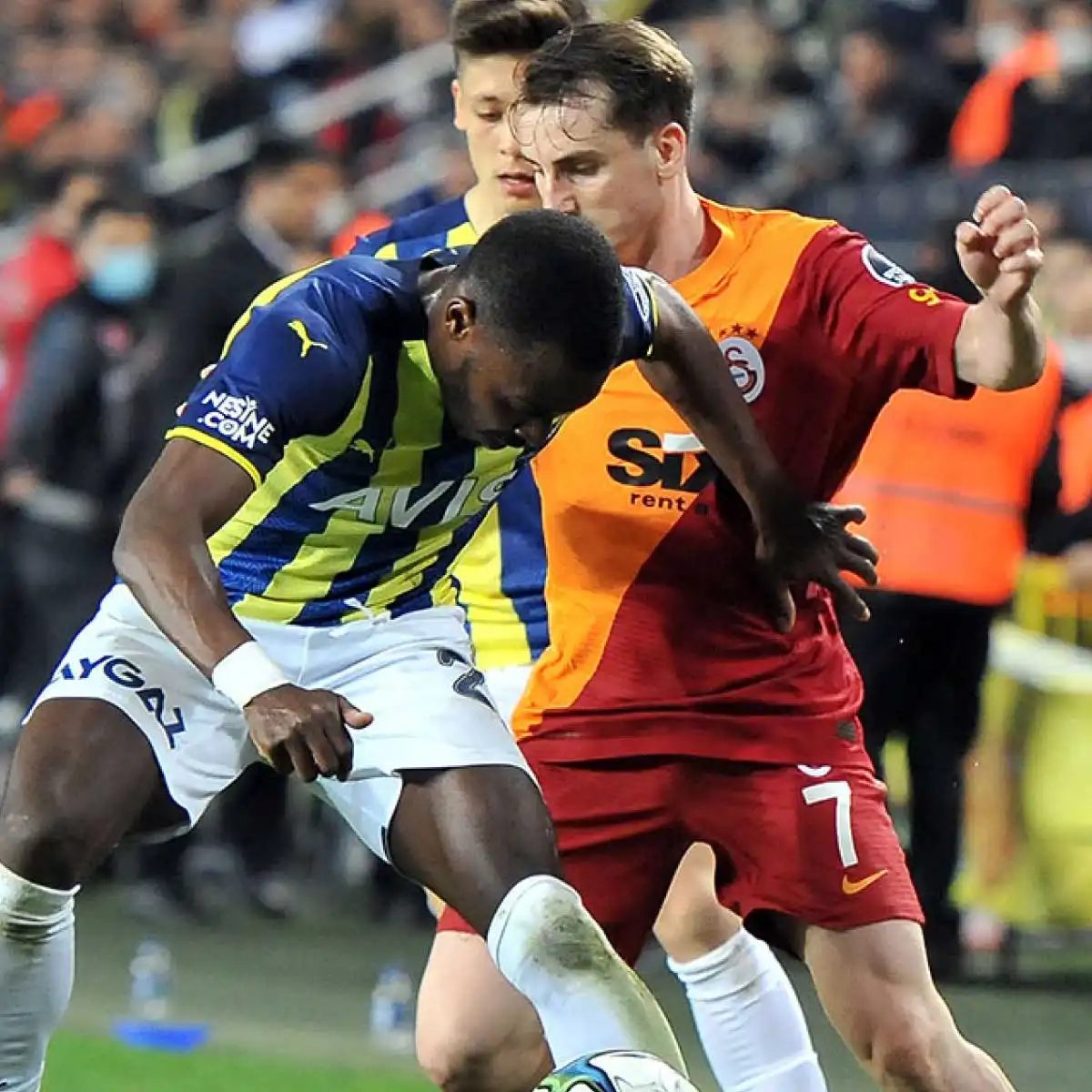
The internet isn’t just a place for cat videos anymore. It’s where the pulse of a nation beats loudest. In Turkey, that pulse is football. And nowhere is it louder than when the hashtag #Derbi trends.
It’s not just a tag. It’s a digital shouting match.
When you see #Derbi trending, don’t scroll past it. This is the digital echo chamber of Turkish football’s biggest rivalries. It’s where the passion spills out of the stadiums and floods the timelines.
What Does #Derbi Actually Mean?
Let’s be clear. This isn’t about friendly matches. This isn’t about casual weekend kicks.
In Turkey, a “derbi” is war with a whistle. It refers to matches between the country’s biggest clubs. The big three? Beşiktaş, Fenerbahçe, and Galatasaray.
These aren’t just teams. They’re identities.
When the hashtag #Derbi hits the trends list, it means the stakes are high. The tension is palpable. And the online discourse? It’s intense.
Fans use it to:
– Analyze player performance
– Debate tactical decisions
– Share emotional reactions in real-time
– Argue with strangers (a beloved national sport)
Why Does It Matter?
Because football in Turkey is more than a sport. It’s social glue. It’s political undertones. It’s tribal loyalty.
The #Derbi hashtag captures all of that. It’s where fans gather to process the win, the loss, or the controversial referee call. It’s a pressure valve.
Before the match? Expect predictions.
During the match? Expect live-tweeting chaos.
After the match? Expect either celebration or outrage.
The Emotional Rollercoaster
You can’t understand Turkish football without understanding the emotion. It’s raw. It’s immediate.
When a key player misses a penalty, the hashtag explodes. When a underdog team pulls off a upset, the digital landscape shifts.
Fans aren’t just watching. They’re participating. Every like, share, and comment adds to the narrative. The #Derbi tag is the thread that ties it all together.
How It Affects the Game
You might think it’s just noise. But it’s not.
The visibility of these debates influences public perception. It puts pressure on players. It shapes media coverage. Even club management can’t ignore the digital buzz.
In a way, the stadium has expanded. The stands now include millions of screens.
The Next Trend: #EYT
But wait.
Just as the dust settles on the football debates, another hashtag rises. #EYT.
It’s different. Less about sport. More about system. But the passion? That’s the same.
The digital conversation never really stops. It just changes channels.
And we’re just getting started.

Sosyal medyada dolaşan en kritik etiketlerden biri haline gelen #EYT, Emeklilikte Yaşa Takılanlar hareketinin sesi oldu. Bu başlık, sadece bir trend değil, yıllardır süren emeklilik adaletsizliklerine karşı yükselen bir öfke ve taleptir.
Kullanıcılar, emekli olma yaşına gelmiş ancak sistemin getirdiği ek koşullar nedeniyle maaş alamayanların durumunu merkeze alıyor. Amaç belli: mağduriyetleri paylaşmak, sistemi eleştirmek ve hükümeti harekete geçirmek için kamuoyunda bir bilinç oluşturmak.
8. #Deprem
Deprem, Türkiye’nin coğrafi gerçekliğinin bir sonucu. Ancak son yıllarda, özellikle 6 Şubat depremlerinin ardından #deprem etiketi, sadece coğrafi bir olayı değil, toplumsal bir travmayı ve dayanışma ihtiyacını ifade eder hale geldi.
Hashtag, afet anında koordinasyon, yardım talepleri ve sonrası için adalet çağrıları için kullanılıyor. İnsanlar, enkaz altındaki yakınlarına ulaşmak veya hasar tespit süreçlerindeki aksaklıkları dile getirmek için bu etiketi kullanıyor. Ayrıca, deprem vergisi, yapı denetimi ve afet yönetimi konularındaki eleştiriler de bu başlık altında yoğunlaşıyor.
Bu etiket, hem acıyı paylaşma hem de sorumluluk sahiplenilmesi için bir araç. Sosyal medya, depremden sonra bile süren adalet arayışının bir penceresi oldu.
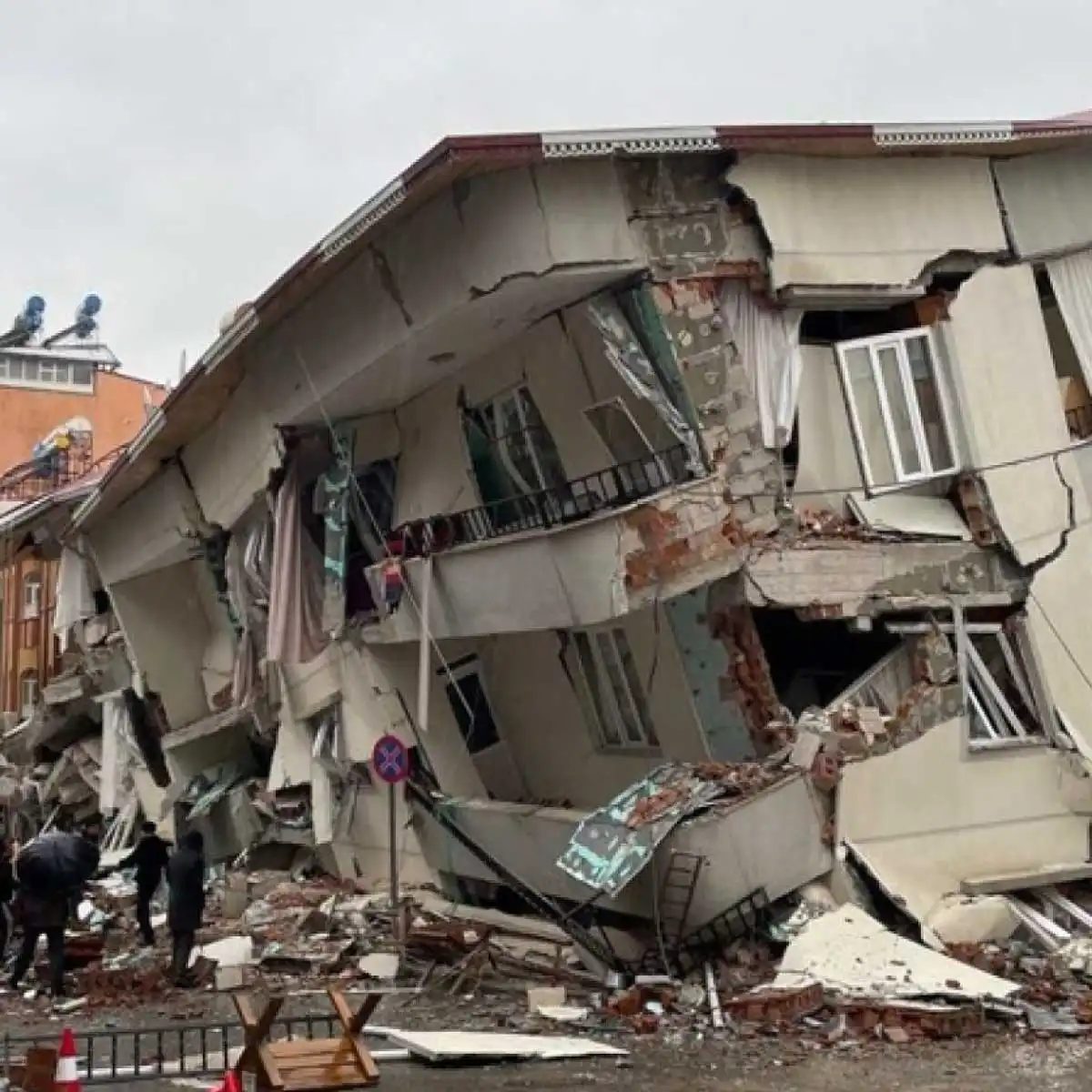
The Turkish education system doesn’t play around. If you’ve been scrolling through social media recently, you’ve likely seen it. A massive wall of text. Often accompanied by a sense of collective panic. It’s not about tectonic plates shifting this time. It’s about the university entrance exam. You know it as YKS.
For students and parents across the country, this hashtag is less about casual discussion and more about survival. The acronym stands for Yükseköğretim Kurumları Sınavı. It translates roughly to Higher Education Institutions Exam. One test. Hundreds of thousands of lives pivoting on it. The sheer volume of posts flooding timelines during the registration and exam periods is staggering.
Why does it trend so hard? Because the stakes are existential for millions of families. In a country where university degrees are still heavily weighted as the primary ticket to stable employment, the pressure is suffocating. The algorithm picks up on this energy. When thousands of people post about anxiety, study tips, or just venting their fear, the platform amplifies it. It becomes a digital scream.
The conversation isn’t just about grades. It’s about logistics. Where do you sleep the night before? What if you forget your ID? What if the center is too far? These are the mundane details that become monumental when one failure feels like it ends everything. Parents share resources. Students share coping mechanisms. Some share their rawest fears.
It’s a unique social phenomenon. A national moment of shared vulnerability. Unlike the earthquake hashtag, which is about physical safety and geography, YKS is about future security and social mobility. The hashtags differ in intent. One warns of immediate danger. The other warns of a delayed, but potentially permanent, shift in social standing.
The conversation changes after the test. The panic lifts. The hashtags die down. But the infrastructure built around it—the tutoring centers, the study guides, the online forums—remains. It’s a year-round industry disguised as a yearly event.
Then, the results drop. Silence. Then, the next cycle begins.
10. #LGS
If you’ve been scrolling through Turkish social media during the spring, you’ve likely seen it. A massive wave of students, parents, and teachers flooding feeds with a specific tag. It’s not about university entrance exams anymore. It’s the LGS.
The basic premise mirrors the YKS dynamic we just covered, but the stakes are different. The LGS determines which high school a middle school graduate attends. In Turkey, this isn’t just a test. It’s a gateway to secondary education. And like its older cousin, it has birthed a digital ecosystem of support, stress, and strategy.
Why the hashtag matters for middle schoolers
The #LGS hashtag serves as a real-time hub for the 8th-grade cohort. Students use it to vent about the pressure, share their study schedules, and post their scores once the results come out. It’s where kids go when they’re overwhelmed. They aren’t just posting grades. They’re looking for people who understand the specific anxiety of this transition.
Parents lurk here too. They read about the new scoring systems and the competitive landscape. They want to know how to help their kids without adding more pressure. It’s a shared burden for the whole family unit.
Expert advice goes viral
Just like with university prep, educators and tutoring centers dominate this space. But the advice is tailored to a younger demographic. You’ll see threads on time management for 13-year-olds. Tips on handling test anxiety in children. Breakdowns of the new question types that confuse even the best students.
These experts use the hashtag to push back against misinformation. There’s always a rumor circulating about cutoff scores or unfair question styles. Experts step in to clarify. They provide data. They offer reassurance based on actual syllabus changes.
The community aspect
The real value of #LGS online is the peer support. Middle schoolers don’t always talk to their parents about their fears. They talk to other students online. They share memes to cope with stress. They celebrate small wins. If you’re studying late at night, seeing hundreds of others with the same tag makes it feel less isolating.
It’s a digital study group. A morale booster. A place to find the right resources before the exam day hits. The hashtag turns a solitary, high-stakes test into a collective experience. You aren’t just taking a test. You’re part of a movement.
And as the date approaches, the tone shifts. From strategy guides to pure adrenaline. Everyone is waiting.
11. #Hayırlı Cumalar
While academic pressure peaks on social media, there is a counter-movement rooted in weekly religious practice. The hashtag #HayırlıCumalar (translated as “Blessed Fridays”) dominates Turkish Twitter and Instagram feeds every week. It is not a trend driven by algorithms or viral challenges. It is a cultural ritual.
The term refers to the Islamic holy day of Friday. In Turkey, where the population is predominantly Muslim, this hashtag serves as a digital greeting. Users post messages wishing each other a blessed Friday. The content is usually generic. Images of mosques, sunset photos, or simple text graphics.
Unlike the intense, anxiety-driven engagement of #LGS, this hashtag is low-stakes. It requires no preparation. No studying. No stress management. It is a moment of collective pause. For educators and students alike, it represents a break from the grind.
Why does it persist? Because it offers community without competition. You can share a blessing without ranking your success. It is social glue.
The usage is consistent. Every Friday, millions of tweets flood the timeline. The message is always the same. Peace. Blessing. Rest. It is a reminder that life exists outside the exam hall.
“Social media trends fluctuate. Religious rhythms endure.”
Does this shift the conversation? Not really. It sits parallel to it. You can study for the LGS on Thursday. You can post about it. Then, on Friday, you switch gears. You post #HayırlıCumalar. The duality is normal.
It highlights a unique aspect of Turkish digital culture. High stakes academic discourse and low stakes religious observance coexist in the same feed. One is about future anxiety. The other is about present peace.
Users do not argue in the comments of these posts. There is no debate. Just shared goodwill. It is a safe space in a noisy network.
For the tech-savvy observer, it is interesting. The hashtag has no algorithmic boost. It relies on pure habit. It proves that not every online interaction needs a metric. Some are just for connection.
The volume is staggering. It outperforms many trending topics. Not because it is clever. But because it is essential. It marks the passage of time.
You will see it before and after religious events. But the weekly repetition is the key. It creates a predictable rhythm in an unpredictable digital landscape.
Is it changing? Barely. The core message remains static. The format might update with new graphic designs. The sentiment does not.
This stability is rare online. Most trends die in a week. #HayırlıCumalar survives the week. Then it returns.
It reminds users that some things are not optimized for engagement. They are optimized for meaning. Even if that meaning is simple.

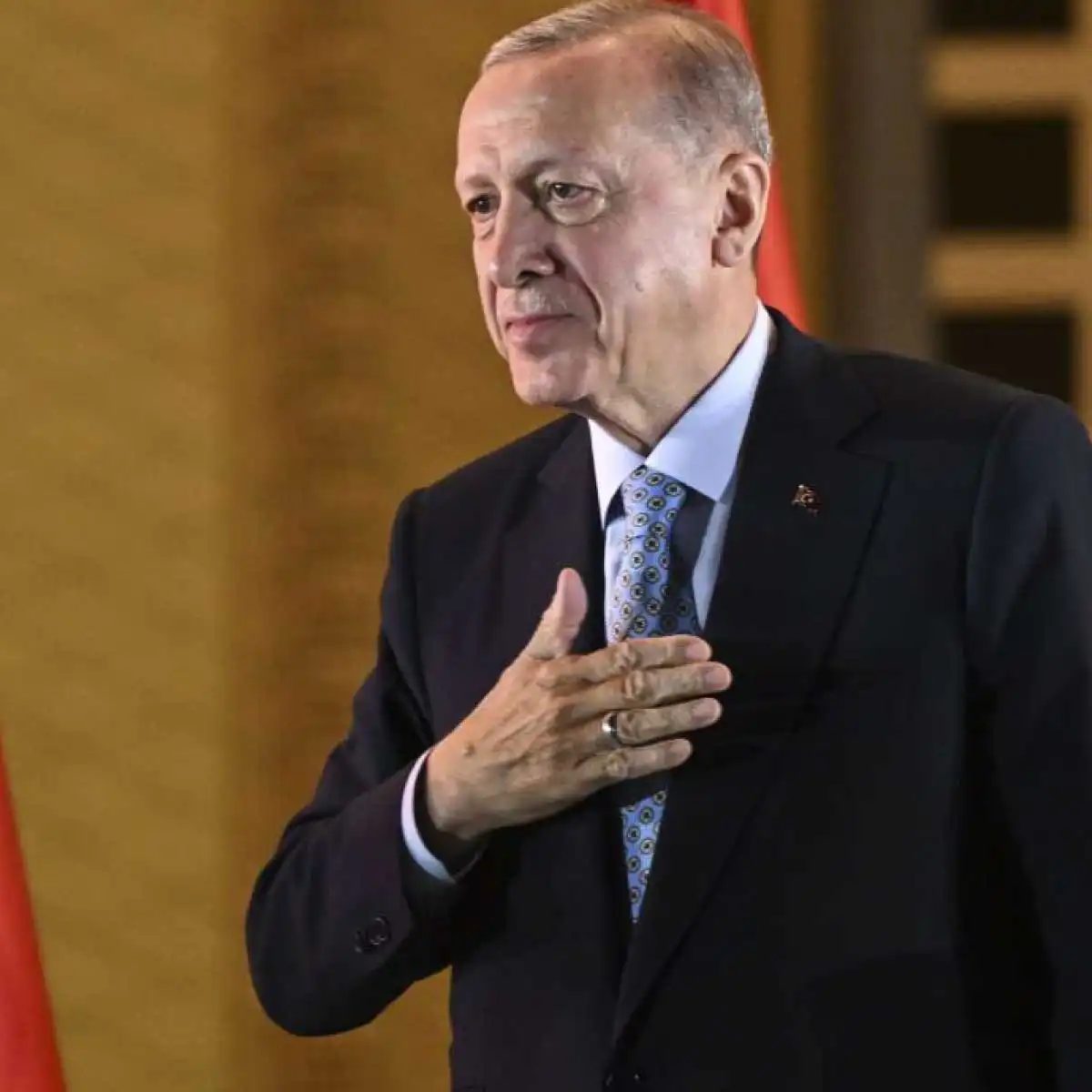
12. #Recep Tayyip Erdoğan
It’s not just about prayer times anymore. The hashtag culture in Turkey has shifted, and one tag dominates the conversation more than any other. It is the name of the president. #RecepTayyipErdoğan.
You see it everywhere. On Twitter, Instagram, even in the comments section of news articles that have nothing to do with politics. It’s the most used tag in the country. Period.
Why does this matter? It’s not just a name drop. It’s a signal.
For supporters, it’s a show of loyalty. A digital salute to the man who has reshaped the country’s political landscape for over two decades. Using the tag is a way to say, “I’m with him.” It’s communal. It’s tribal.
For critics? It’s a battleground. They use the same tag to protest, to complain, or to mock. The algorithm doesn’t care about intent. It just sees the volume. And the volume is massive.
This isn’t unique to Turkey, but the intensity is. In the US, you might see #Biden or #Trump trending during an election. In Turkey, it’s year-round. It’s constant. It’s background noise.
The power of the tag lies in its simplicity. Two words. No explanation needed. Everyone knows who it refers to. It bypasses language barriers, political nuances, and even literacy levels. It’s pure signal.
But here’s the thing. The hashtag has evolved. It’s no longer just about the man. It’s about the movement. The ideology. The style of leadership. When people type #RecepTayyipErdoğan, they are often typing a statement about their worldview.
Is it divisive? Absolutely. Can you scroll through a Turkish feed without seeing it? No. It’s the water we swim in.
So, when you see it pop up, don’t just scroll past. Think about who is posting it. Think about why. Is it faith? Is it politics? Is it habit? The tag is a mirror. And right now, Turkey is looking into it.
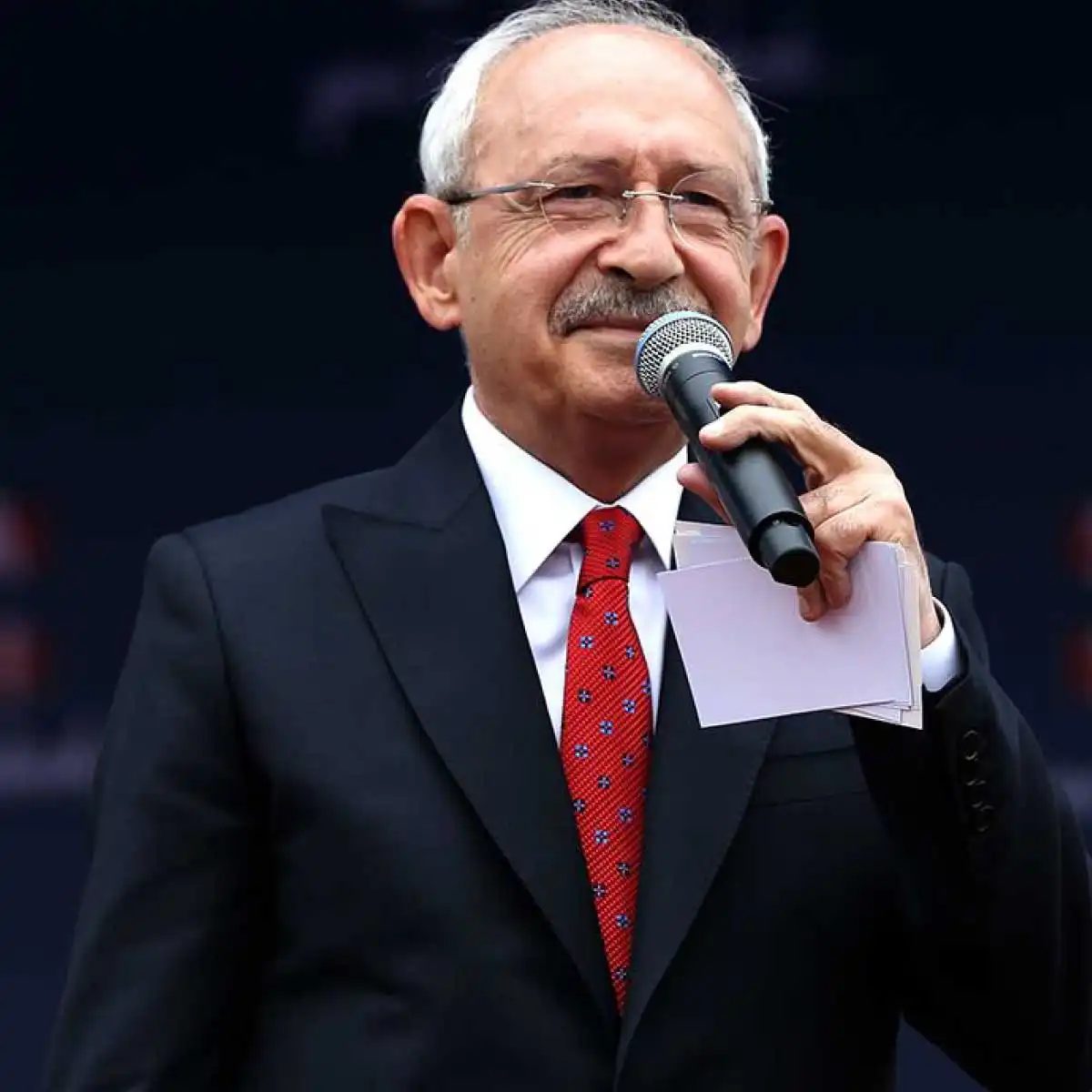
13. #Kemal Kılıçdaroğlu
The dynamic shifts when you switch the hashtag. While Erdoğan dominates the discourse through sheer volume and long-standing institutional power, Kemal Kılıçdaroğlu represents the organized opposition. He isn’t just another politician; he is the figurehead for Turkey’s secular and center-left voters, leading the Republican People’s Party (CHP).
For observers tracking Turkish politics, #Kemal Kılıçdaroğlu is a search term that reveals a stark contrast in leadership styles. If Erdoğan is charisma and authority, Kılıçdaroğlu is often perceived as stern, academic, and rigid. This isn’t a flaw to everyone. To his base, his seriousness signals competence and integrity in a system they view as increasingly authoritarian.
The hashtag sees heavy usage during election cycles. Supporters use it to amplify his policy proposals or to mobilize turnout. Critics use it to highlight perceived weaknesses in his communication or his party’s historical baggage. It’s a polarized label by design.
Why does he matter in the current landscape? Because the CHP has been trying to rebuild its image after years in the wilderness. Kılıçdaroğlu’s role is less about grand speeches and more about coalition-building. He is trying to bridge the gap between traditional secularists and newer urban liberals.
This strategy has had mixed results. Some see a fresh, inclusive approach. Others see a leader struggling to connect emotionally with a population that craves the energy Erdoğan provides. The debate over his effectiveness is central to understanding Turkey’s political fragmentation.
“Leadership in Turkey is no longer just about policy. It’s about who can hold the country’s attention.”
Tracking #Kemal Kılıçdaroğlu offers insight into the opposition’s health. When the hashtag trends, it usually means either a major political event is approaching or a significant scandal has hit the ruling party. It’s a barometer for dissent.
His background as a university lecturer still influences his rhetoric. It can come across as detached to some voters. Yet, for those tired of populism, it offers a different kind of stability. The question remains whether intellectual rigor can win in a post-truth era.
The opposition’s future hinges on whether Kılıçdaroğlu can evolve. Can he maintain his principles while adapting to a rapidly changing electorate? The answer will likely define the next decade of Turkish democracy.
#Ahbap
Liderlik tarzı muhalefet için bir araç, siyaset için bir platform. Kılıçdaroğlu’nun CHP içindeki rolü sadece genel başkanlık değil. O, politika tartışmalarının merkezinde duruyor. Ekonomi. Demokrasi. Yolsuzlukla mücadele. Bunlar onun platformundaki anahtar kelimler. Hükümet politikalarını eleştirmek tek işi değil. Alternatifler sunmak daha önemli.
Birleşen güçlerin arkasındaki isim olarak tanınması dikkat çekici. Farklı kesimlerden destek almak. Ve eleştiri almak. Bu dengeli duruş siyasi sahneyi nasıl şekillendiriyor? İşte burası kritik.
Kılıçdaroğlu’nun duruşu sadece bir pozisyon değil. Bir strateji. Ekonomik krizlerde alternatif çözümler. Yolsuzluk iddialarında şeffaflık talepleri. Bunlar sadece CHP’nin vaatleri değil. Türkiye’nin genel sorunlarına odaklanıyor.
Peki bu strateji ne kadar etkili? Sorular var. Cevaplar ise siyasi sahnenin dinamiklerine bağlı.

The hashtag might mean “friend” in Turkish, but the movement is structural. It is not just a greeting. It is an ecosystem of mutual aid.
Ahbap Derneği launched in 2017. The goal was simple. Support those who needed it. They built a volunteer network. Social media became the engine. The tag #Ahbap promotes their activities. It secures support.
It highlights Turkish values of solidarity. Campaigns spread online. They reach people in crisis. Donors contribute. Volunteers step up. The trend connects people. It strengthens community bonds.
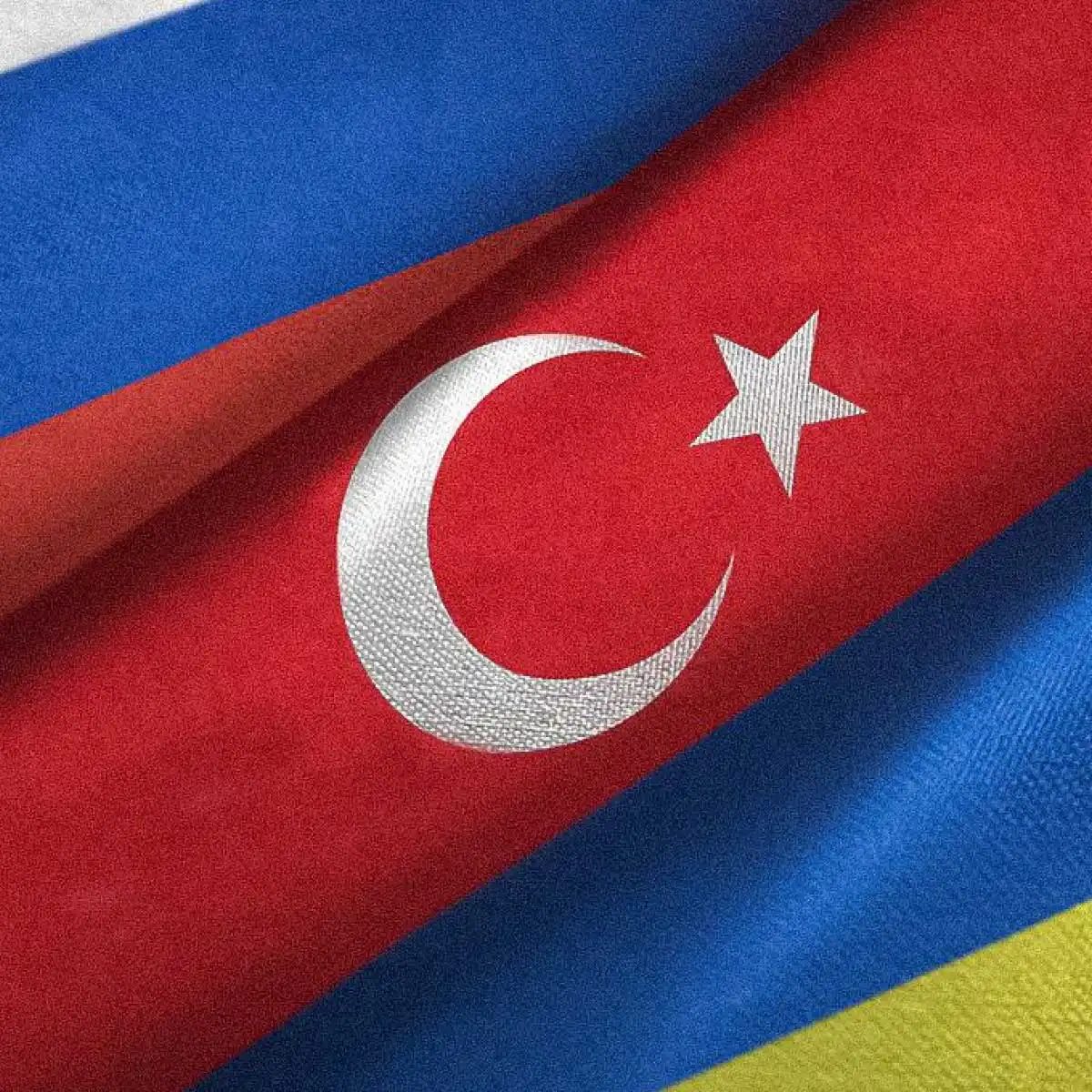
15. #Rusya Ukrayna
The conflict in Ukraine has reshaped global energy and food security. Russia’s invasion triggered sanctions that ripple through markets. Wheat prices spiked. Fertilizer costs soared.
NATO expanded its footprint in Eastern Europe. Finland and Sweden joined the alliance. This shifted the security balance in Europe.
The war also accelerated green energy transitions. Europe cut ties with Russian gas. Renewables moved faster on the agenda. Digital infrastructure became a battlefield. Cyberattacks increased.
For everyday users, the impact is tangible. Grocery bills rose. Heating costs fluctuated. Supply chains fractured and rebuilt.
The geopolitical map is redrawn. Borders are contested. Alliances are tested. The old order is fraying.
Is the world moving toward fragmentation? Or is cooperation forcing a new form of unity? The answer lies in how nations adapt. And how quickly.
The dust has not settled. It is still rising. Watching the fallout is the only option left.
Siyasi gerilimlerin gölgesinde, halkın cebini daha doğrudan etkileyen başka bir kriz var. #Rusya Ukrayna etiketi gündemi işgal ederken, ev ekonomisini sarstıran gerçek sorun enflasyon. Türkiye’de fiyatların çılgınca yükseldiği bir dönemde, enflasyon oranları sadece bir istatistik değil, herkesin günlük hayatında hissettiği bir baskıunsuruna dönüştü.
Neden Hissediyoruz?
Enflasyon, para biriminin alım gücünün düşmesi demek. Türkiye’de bu durum son dönemde alışveriş alışkanlıklarını tamamen değiştirdi. Market raflarından kırtasiye malzemelerine kadar her şeyin fiyatı sürekli değişiyor. İnsanlar “Neden bu kadar pahalı?” diye soruyor. Cevap karmaşık bir ekonomik yapıda gizli, ama sonuç basit: Paranız daha az şey alıyor.
Hangi Sektörler Daha Fazla Etkilendi?
Enerji ve gıda fiyatlarındaki artış, enflasyonun kalbinde yer alıyor. Küresel tedarik zinciri sorunları ve yerel para biriminin değeri düşüşü, ithalata bağımlı ürünlerdeki fiyatları yukarı çekti. Bu durum, orta ve alt gelir grubunu en çok etkileyen faktörler arasında.
- Gıda: Temel ihtiyaç maddelerindeki fiyat artışları, bütçeleri zorluyor.
- Enerji: Fatura faturalarına yansıyan artışlar, ev harcamalarını artırıyor.
- Konut: Kiraların ve ev fiyatlarının yükselişi, barınma maliyetini artırıyor.
Alıcı Gücü Nasıl Düşüyor?
Alıcı gücü, aynı miktar para ile satın alınabilen mal ve hizmet miktarının ölçüsüdür. Enflasyon yükseldiğinde, alıcı gücü düşer. Yani, geçen ay aldığınız market alışverişini yapmak için şimdi daha fazla para gerekiyor. Bu durum, tasarruf yapmayı zorlaştırıyor ve harcamalarda kısıtlamaya gidiyor.
Ne Yapılabilir?
İktisadi politikalar ve merkez bankası kararları enflasyonu kontrol etmede kilit rol oynar. Ancak bireysel düzeyde de tedbirler almak mümkün. Tüketici davranışlarında değişiklikler, acil ihtiyaçlar dışındaki harcamaların azaltılması ve alternatif ürünlerin tercih edilmesi gibi adımlar, bireysel bütçeyi dengelemeye yardımcı olabilir.
“Enflasyon sadece bir rakam değil, herkesin günlük hayatında hissettiği bir baskı unsurudur.”
Türkiye’nin ekonomik dengeleri karmaşık. Herkes için kolay bir çözüm yok. Ama enflasyonun etkilerini anlamak, daha bilinçli kararlar almanın ilk adımı.

Türkiye genelinde fiyatlar yükselirken, İzmir’de durum biraz daha karmaşık bir tablo çiziyor. Sadece genel enflasyon oranlarına bakmak, şehrin ekonomisini anlamak için yetersiz kalıyor. Burada her şey yerel dinamiklerle şekilleniyor.
İzmir’de Enflasyon Oranları ve Etkileri
İzmir, Türkiye’nin en ihracat odaklu şehirlerinden biri. Bu durum, yerel enflasyonun genel ülke ortalamasından farklı seyretmesine neden oluyor. Özellikle turizm ve tarım sektörleri, döviz kurlarındaki dalgalanmalardan doğrudan etkileniyor.
Şehrin ekonomisi dışa bağımlı olduğu için, döviz kurlarındaki artışlar doğrudan ithalat maliyetlerini artırıyor. Bu da son tüketiciye yansıyor. Ancak sanayi ve ihracatçı firmalar, gelirlerini döviz cinsinden elde ettikleri için daha dirençli kalabiliyor.
Fiyat Seviyeleri ve Alım Gücü
İzmir’de yaşam maliyeti, İstanbul’a göre daha düşük olsa da, son yıllarda hızla arttı. Konut fiyatları ve kira bedelleri, en büyük yüklerden biri. Özellikle Bornova, Karşıyaka ve Alsancak gibi merkezi bölgelerde, kiralık konut bulmak giderek zorlaşıyor.
Günlük ihtiyaçlar açısından bakıldığında:
– Gıda fiyatları, özellikle sebze ve meyve sezon dışı dönemlerinde sert yükseliyor.
– Ulaşım maliyetleri, akaryakıt fiyatlarındaki artışla birlikte artıyor.
– Eğitim ve sağlık harcamaları, özel sektöre olan bağımlılık nedeniyle yük oluşturuyor.
Enflasyonun Nedenleri ve İzmir’e Yansımaları
Enflasyonun arkasındaki temel faktörler küresel ve yerel düzeyde işbirliği yapıyor. Para arzındaki artış, kamu harcamaları ve döviz kuru hareketleri başta geliyor.
İzmir’de özellikle enerji fiyatları ve gıda enflasyonu öne çıkıyor. Enerji maliyetleri, üretim süreçlerini doğrudan etkiliyor. Tarım sektöründe kullanılan gübre ve mazot fiyatlarındaki artış, ürün maliyetlerini yukarı çekiyor.
“Enflasyon sadece bir rakam değil, günlük alışveriş sepetinize yansıyan gerçek bir maliyet.”
Ekonomik Politikalara Tepkiler
İzmirli esnaf ve tüketici, enflasyonla mücadelede yerel politikaların etkisini yakından izliyor. Belediye ve merkezi hükümetin uygulamaları, işsizlik oranlarını ve gelir dağılımını doğrudan etkiliyor.
Özellikle KOBİ’ler (Küçük ve Orta Ölçekli İşletmeler), kredi faizlerindeki artış ve tedarik zinciri sorunlarıyla boğuşuyor. Bu işletmeler, şehrin istihdamının büyük bir kısmını oluşturuyor. Onların zorluğu, dolaylı yoldan tüm şehri etkiliyor.
The digital conversation around Turkish cities has shifted. While #İzmir dominated recent feeds with its historic allure and coastal vibes, the narrative is expanding. Let’s look at how users are engaging with these locales online.
The #İzmir Phenomenon
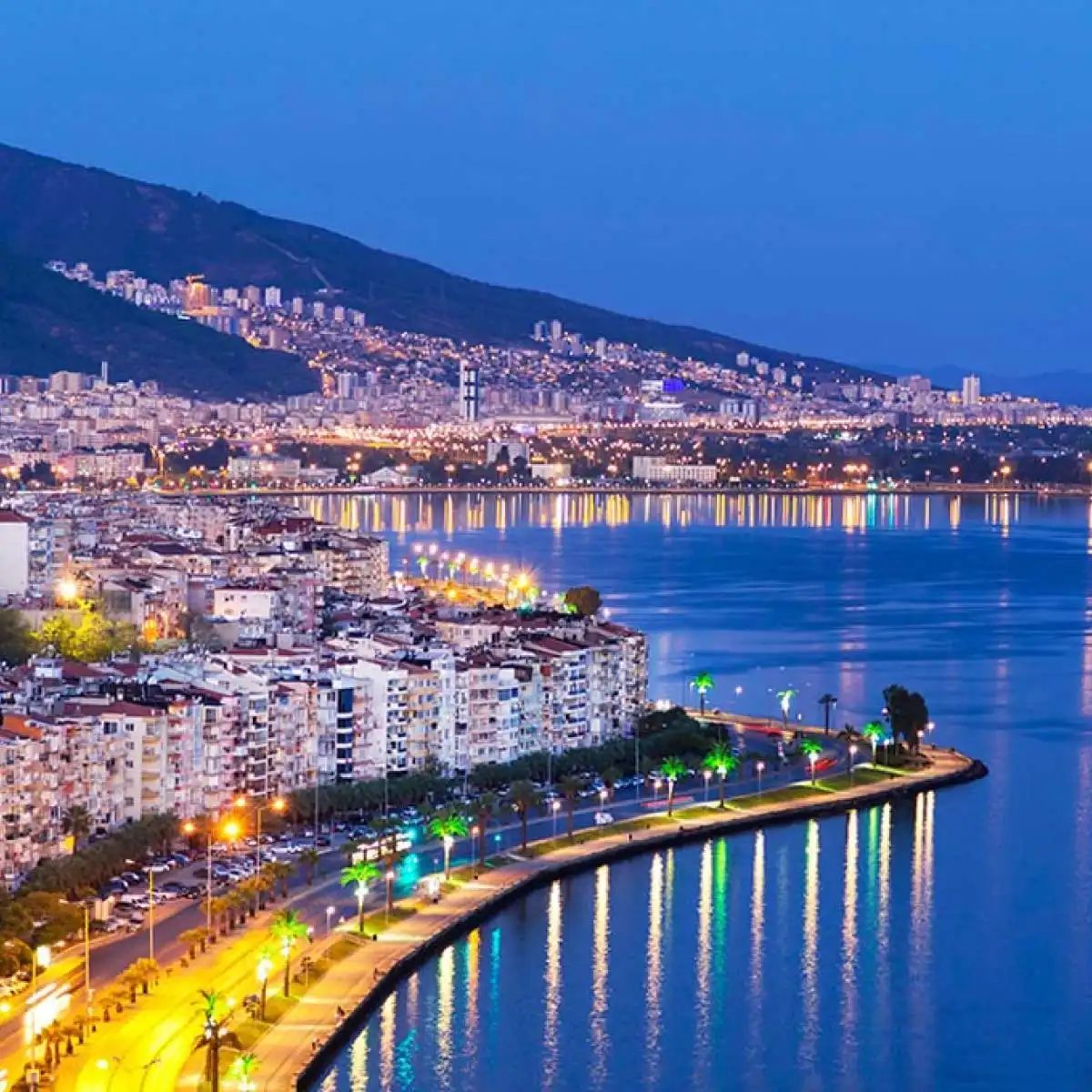
If you scrolled through Turkish social media recently, you likely saw the wave of #İzmir posts. It’s not just a hashtag. It’s a curation of the third-largest city’s identity. The tag aggregates content reflecting daily life, history, and the distinct Aegean lifestyle.
Why does it resonate?
Izmir is known for dense history and a vibrant social scene. Under this label, users share deep cuts of the city’s cultural heritage. Because various civilizations settled here, the architecture tells a layered story. You see posts about the Temple of Artemis. You see shots of the ancient Ephesus ruins. The Agora and the bustling Kemeraltı Bazaar appear frequently. These aren’t just tourist traps in the posts. They are central themes.
Then there is the coast. Bordering the Aegean Sea, the natural beauty is a major draw. The hashtag functions as a visual guide for those seeking beach days or scenic drives. Photos of pristine beaches, sea views, and natural parks flood the timeline. It’s a digital brochure for leisure.
18. #İstanbul
Just as #İzmir captures the Aegean rhythm, #İstanbul pulls the feed back toward the chaotic, electric center of gravity.
The conversation here is different. It’s less about static history and more about the collision of continents. Users document the Bosphorus bridges at sunset. They post about the congestion on the European side. There’s a constant stream of content regarding the Grand Bazaar’s labyrinthine alleys.
The hashtag serves as a real-time pulse check on Turkey’s largest metropolis. From street food stalls in Kadıköy to the neoclassical facades of Beyoğlu, #İstanbul is where heritage meets hyper-modernity. The engagement is higher volume, but often more fragmented than the cohesive coastal theme of İzmir.
Users compare the two. They ask which city offers a better quality of life for digital nomads. They debate the cost of living. They share travel itineraries that hop between the two hubs.
The trend isn’t static. It evolves with seasons. Summer brings more #İzmir coastal content. Winter shifts focus inward, toward historical sites and indoor cultural events. But the core remains the same. People use these tags to define place. They use them to find community. And they use them to sell the idea of living in Turkey, whether for a weekend or a lifetime.
The data shows a spike in video content. Reels and TikToks outperform static images. Motion captures the energy. A video of a ferry crossing the strait tells more than a photo of a minaret.
Does this trend mean tourism is the only driver? No.
Locals use these tags too. They complain about traffic. They celebrate local football victories. They tag friends in posts about specific cafes. It’s a mix of promotion and personal diary.
The line between influencer content and user-generated reality is blurring. Brands are picking up on this. They’re partnering
Why Istanbul Dominates the Feed
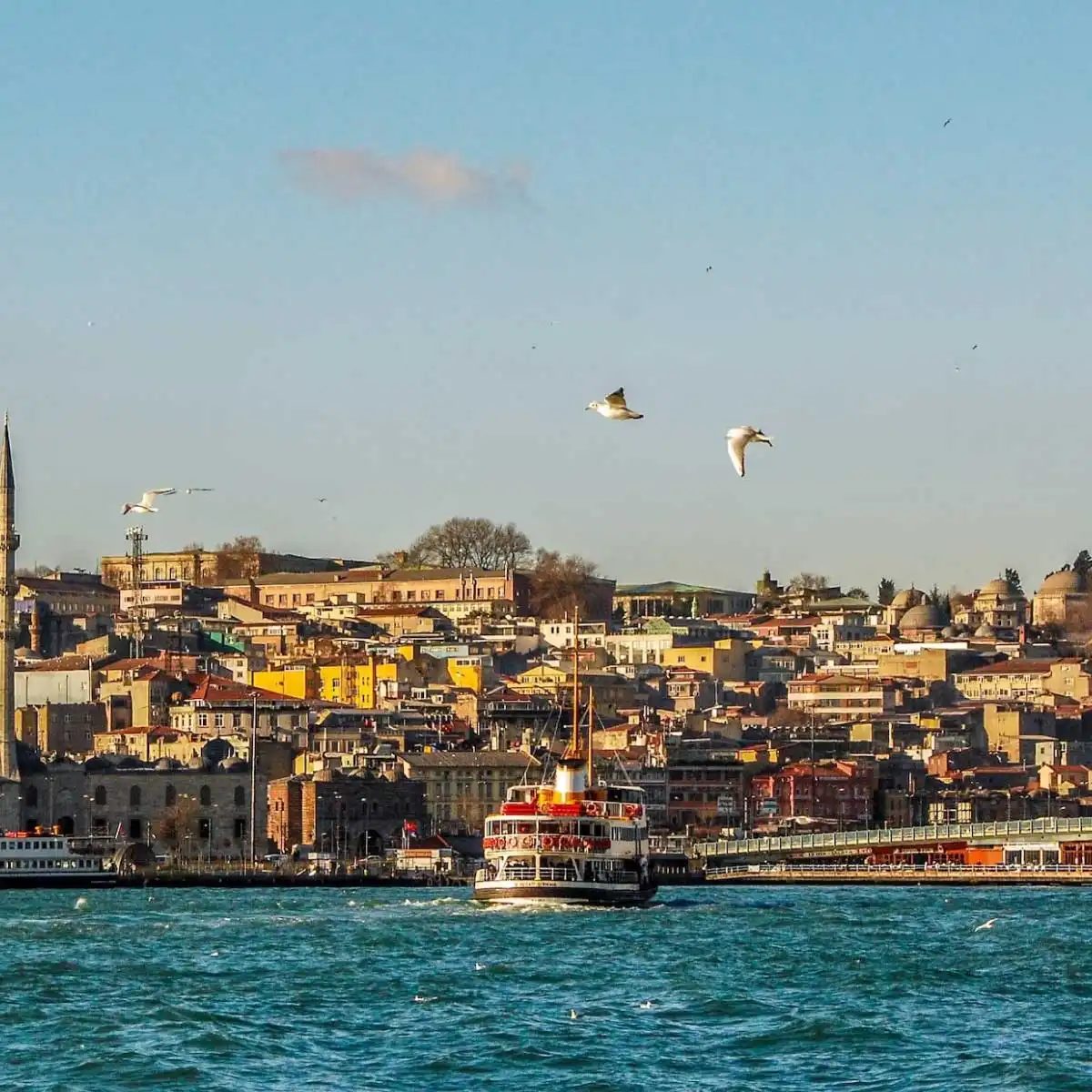
Istanbul isn’t just a city; it’s a content engine. As one of Turkey’s most populous hubs, it consistently trends on social media under the #Istanbul tag. Users don’t just post photos—they curate a digital narrative of a city that balances ancient empire with modern chaos.
The hashtag reflects a deep dive into historical and cultural layers. Think Ottoman heritage. The city served as the capital of the Ottoman Empire, leaving behind architectural giants that dominate the feed. Hagia Sophia, Topkapi Palace, the Sultan Ahmed Mosque (Blue Mosque), and the Grand Bazaar are not just tourist traps; they are the backbone of the visual content under this tag.
Geography plays a starring role too. Straddling the Bosphorus Strait, the city offers split views of Europe and Asia. Posts featuring Bosphorus cruises, the Bosphorus Bridge (15 July Martyrs Bridge), and historic wooden yalis (waterside mansions) capture the unique geographic duality that defines the urban experience.
19. #Ankara
If Istanbul is the flashy protagonist, Ankara is the serious understudy. It doesn’t trend with the same viral velocity as its coastal neighbor, but the #Ankara conversation is distinct. It’s less about scenic postcards and more about political weight and administrative gravity.
While tourists flood Istanbul for the view, locals and political observers in Ankara focus on the Presidential Complex, the Ankara Castle, and the sprawling Atatürk Museum. The vibe shifts from leisure to legitimacy. The city is the capital, after all. It houses the government, the embassies, and the bureaucratic heart of the nation.
Social media posts under #Ankara often highlight its role as a center for education and politics. You’ll see more images of university campuses, government buildings, and the stark, wide boulevards that define the city’s layout compared to Istanbul’s organic, hugging streets. It’s a different kind of aesthetic—functional, imposing, and historically significant in a way that Istanbul’s is purely cultural.
The contrast is stark. Istanbul sells romance and history. Ankara sells power and order. Both are essential to understanding modern Turkey, but they speak to completely different audiences on social platforms.
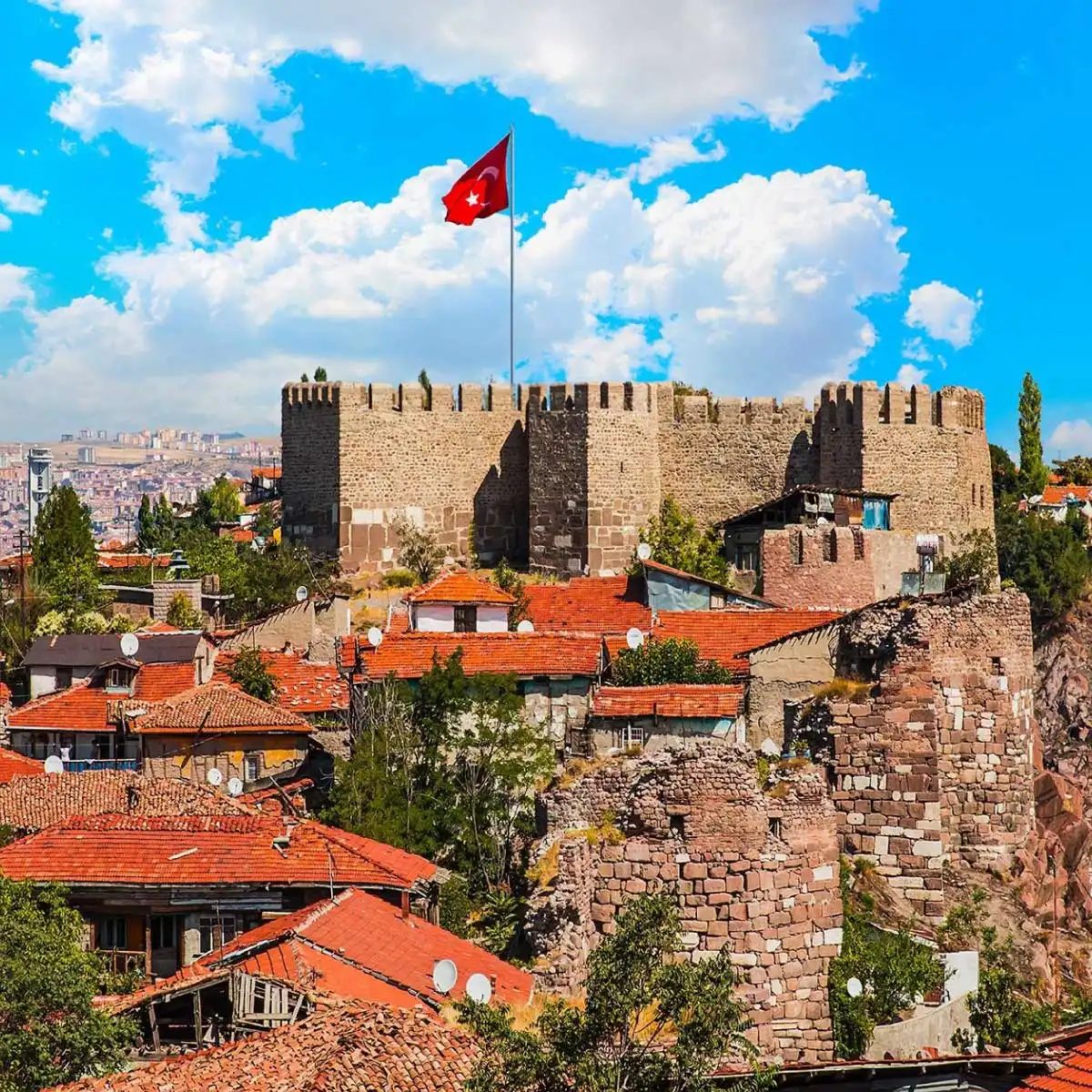
The Digital Pull of Turkey’s Capital
Ankara isn’t just sitting quietly in its role as the capital anymore. The city has seized a surprising amount of spotlight on social media. Under the hashtag #Ankara, a flood of posts, news updates, and event announcements is dominating timelines. This isn’t just random noise. It’s a reflection of how the city’s historical and cultural weight is resonating with a digital audience that wants more than just sightseeing photos.
History, Heritage, and the Digital Footprint
When people talk about Ankara online, they aren’t just talking about government buildings. The conversation is deeply rooted in the city’s tangible history. Users frequently share content centered around major landmarks that define the city’s identity.
Key destinations driving this engagement include:
– Anıtkabir : The mausoleum of Mustafa Kemal Atatürk, a site of national pilgrimage.
– Hacı Bayram Mosque : A spiritual and architectural centerpiece.
– Atatürk Forest Farm : A mix of nature, agriculture, and historical significance.
– Roman Bath (Alaeddin Bath) : A reminder of the city’s older, pre-Turkish republic roots.
The interest here is driven by a desire to connect with Ankara’s rich cultural texture. It’s not enough to know where it is; users want to understand why these places matter. The hashtag serves as a curated gallery of this heritage, making it easy for anyone to dive into the city’s past without leaving their feed.
Politics as a Daily News Feed
Let’s not forget why Ankara exists on a map. It is the political and administrative heart of Turkey. Consequently, the #Ankara tag is heavily utilized for political discourse. This isn’t just about local municipal news. It’s about national policy.
Users follow this trend to track:
– Government decisions and decrees.
– Shifts in national policy.
– Political developments happening within the seat of power.
For those trying to make sense of the capital’s administrative role, this hashtag acts as a real-time news ticker. It bridges the gap between abstract political theory and the concrete decisions being made in Ankara’s government buildings. It’s a resource for anyone who wants to understand the mechanics of Turkish governance.
20. #Ramazan
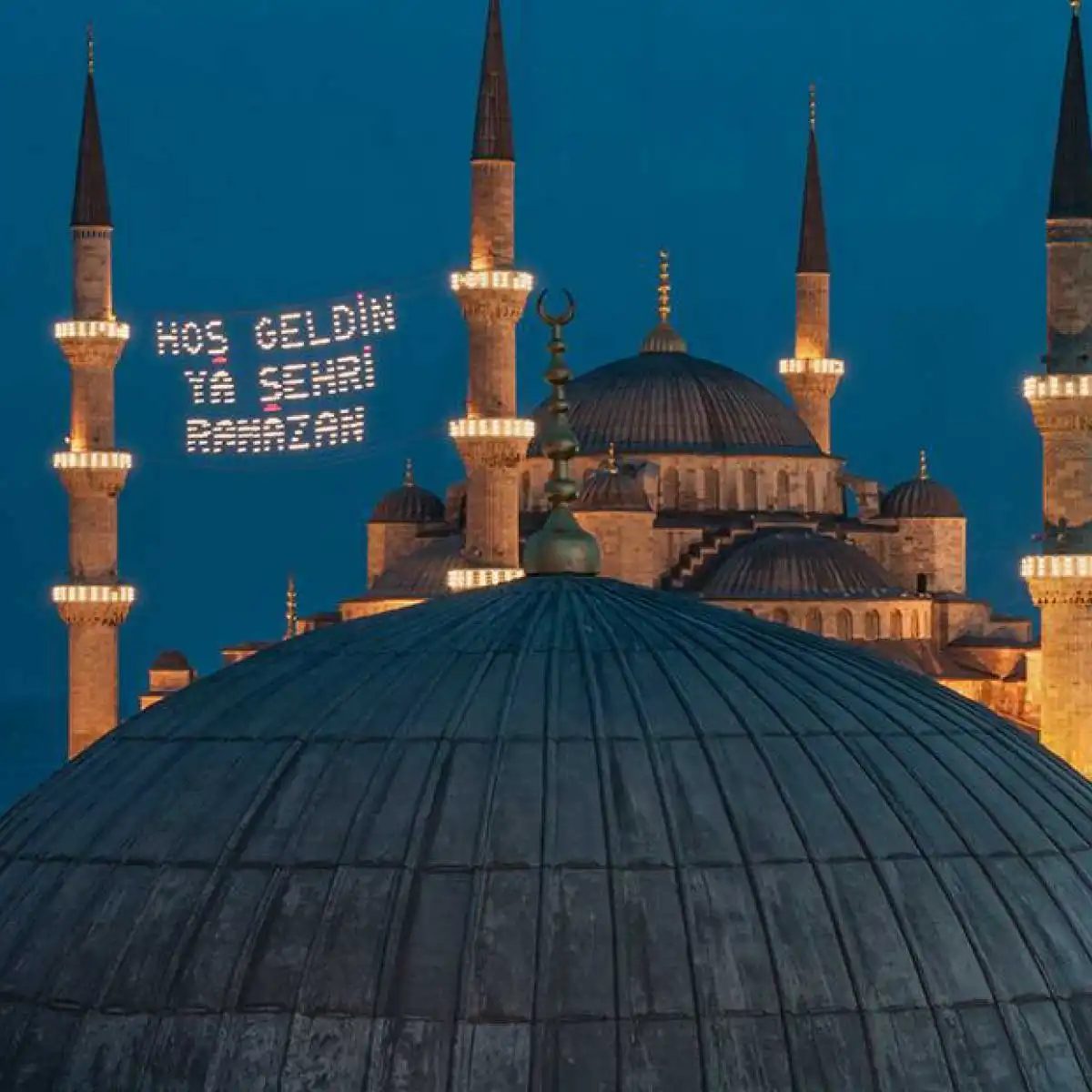
The digital echo of Ramadan. It is not just a religious observance anymore; it is a trending topic. In Turkey and across the global Muslim community, millions are logging on to share, reflect, and connect. The hashtag #Ramazan is no longer just a label. It has become a central hub for conversations about faith, food, and the human experience during this holy month.
More Than Just Fasting
People ask why this specific tag trends every year. The answer lies in the shared struggle and spiritual depth. For Muslims, Ramadan is defined by the tradition of fasting. But under the #Ramazan tag, you see more than just religious duty. You see personal experiences. Motivational quotes. Stories about patience.
This trend serves a specific function. It guides those trying to understand the physical and spiritual dimensions of fasting. It is a resource for anyone wanting to grasp the importance of worship beyond the surface. It humanizes the discipline.
The Culinary Connection
Then there is the food. Iftar and suhor (pre-dawn meal) are not just meals. They are cultural events. The #Ramazan feed is flooded with images of elaborate iftar tables and suhor preparations. Recipes fly around. Tips on how to balance nutrition while fasting appear daily.
If you are looking for inspiration for your next meal, this tag is your guide. It turns cooking into a communal activity, even when done alone. The visual appeal of the food drives engagement. People share their creations, ask for ingredients, and celebrate the abundance of the season.
Spiritual Depth and Inspiration
Ramadan is ultimately a spiritual journey. The content under #Ramazan reflects this. You find shares of the Quran. Prayers. Reflective posts about the meaning of the month. It provides a source for those looking to deepen their practice.
It is about finding inspiration in the spiritual dimension. Users share moments of clarity, struggles with doubt, and triumphs of faith. It is a digital sanctuary for reflection.
The Mechanics of Trending Topics
How does a hashtag become a “Trend Topic”? It is a mix of volume, velocity, and visibility. A trend topic on social media represents the subjects users are talking about, sharing, or engaging with the most. These are marked by a hash symbol and sit at the top of popularity lists.
They are not random. They emerge from current events, pop culture, sports, politics, or entertainment. But they require a critical mass of interaction to break through the noise.
What Was Trending in Turkey?
Before Ramadan took center stage, other topics held the spotlight. Look at recent trends in Turkey to see the pattern. Hashtags like #Ahbap surged due to singer Haluk Levent’s social aid movement. #RusyaUkrayna reflected the geopolitical tension and conflict. #Enflasyon highlighted the economic struggle. #Izmir and #Istanbul covered the cultural and tourism aspects of those cities.
These topics show what the public cares about at any given moment. Aid. War. Economy. Local culture. They are mirrors of societal mood.
How a Trend Topic Grows
Not every hashtag trends. It needs traction.
First, the topic must appeal to a broad audience. General interest subjects—like sports events or major news stories—are more likely to catch fire than niche interests.
Second, it requires intense interaction. Users post content under the tag. They like. They comment. They retweet. This activity pushes the tag up the ranking algorithms.
Third, creativity matters. Original ideas. Striking visuals. Humor. These elements help a topic spread rapidly. A funny meme about Ramadan food is more likely to be shared than a text-heavy article.
Finally, influencers play a massive role. An influencer with a large following picks up a topic, and their audience follows suit. The speed of dissemination depends heavily on these key figures.
Why Track These Trends?
Following trend topics is not just about chasing hype. There are tangible benefits.
- Real-time Information: Trends reflect current events. You get instant updates on news as it happens.
- Social Pulse: They reveal what society is debating. You can see different perspectives and understand the collective mindset.
- Entertainment: Trends offer creative content, humor, and fun. You can find inspiration or just laugh at relatable posts.
- Community Building: Since these topics are shared widely, they connect you with people who have similar interests. You can comment, interact, and meet new people.
It is a way to stay plugged into the world. To see what matters to others. To find your own tribe within the noise. The conversation continues, even after the month ends.