




Protecting your PC doesn’t have to cost a dime. Avast Free Antivirus is a lightweight solution that offers real-time defense against viruses, ransomware, and web threats without bogging down your system. If you’re looking to secure your device, the process is straightforward, but doing it right matters more than just clicking “next” through a wizard.
You need to start at the source. Downloading from the official Avast website ensures you get a clean, authentic version free of bundled junkware. Some users prefer third-party software libraries like Futura Sciences’ software library, which can also be a safe route if you want to verify the package before it touches your machine. The key is avoiding sketchy mirrors that might sneak in adware. Once you’re on the right page, the interface is simple: select your operating system and hit download.
Installing Avast Free Antivirus on Windows and Mac
For Windows users, the file you download is an .exe installer. It’s compatible with a wide range of systems, stretching all the way back to Windows XP and up to the latest Windows 11 builds. Just double-click the file, and the installation wizard takes over.
The installer is mostly automated. It pushes you toward a standard configuration, but don’t just click through blindly. Take a second to customize which modules get activated. This step is crucial for avoiding unnecessary background processes or features you didn’t ask for. Once the setup finishes, Avast immediately runs a initial scan. This checks for existing threats and ensures your system is patched up to speed.
Mac users face a slightly different file type. You’ll download a .dmg disk image. Mount it, drag the app to your Applications folder, and you’re mostly set. The logic holds up across both desktop giants: real-time protection kicks in once the software is active.
Setting Up Avast on Linux, Android, and iOS
Linux users know that “one size fits all” rarely works. You’ll need to grab the package specific to your distribution. Whether you are on Debian, Ubuntu, or Arch, you’ll use your system’s package manager to install the .deb, .rpm, or other native format. It’s a bit more manual, but it keeps your system integrity intact.
Mobile protection follows a similar path. For Android, you head to the Google Play Store. For iOS, it’s the App Store. The download is as standard as any casual app, but the setup requires more attention. You’ll need to grant specific permissions for real-time protection to work effectively. These permissions allow the app to scan downloads, monitor network traffic, and lock down sensitive data.
Why Version Matters More Than You Think
Avast supports an impressive range of devices, from older Windows machines to the latest macOS iterations. But compatibility isn’t just about running the software; it’s about getting the latest definitions. Each platform receives updates tailored to its environment. The mobile app might focus on Wi-Fi security, while the desktop version targets executable files.
Always aim for the latest version. Threats evolve fast, and older definitions leave gaps. However, legacy systems sometimes struggle with modern security suites. If you’re running an older machine, you might need an older version of Avast to keep things stable. You can find these through the publisher’s archive or trusted repositories. There’s a trade-off here: older versions offer compatibility but miss out on new security innovations.
Installing the latest version guarantees the best defense against emerging threats, but legacy systems may require older builds for stability.
It’s worth noting that while you can still install Avast on Windows XP or Vista, the security features available there are limited. The developers have shifted their focus to modern operating systems, leaving older platforms with basic, if not optimal, protection. So, while you can protect a ten-year-old PC, you might want to consider if that PC is worth the risk in today’s threat landscape. The software works, but the ecosystem around it has moved on.
真のセキュリティは、単なるウイルス スキャンを超えています。 レイヤーについてです。 アバストの無料ウイルス対策ソフトウェアは、システムに 1 つだけではなく複数の防御機能を提供します。 脅威が実行される前に捕らえます。
このソフトウェアは行動分析を使用します。 既知の署名を待つ代わりに、アプリケーションの動作を監視します。 疑わしいプロセスにはできるだけ早くフラグが立てられます。 この積極的な姿勢により、ランサムウェアが阻止されます。
One-click system integrity check
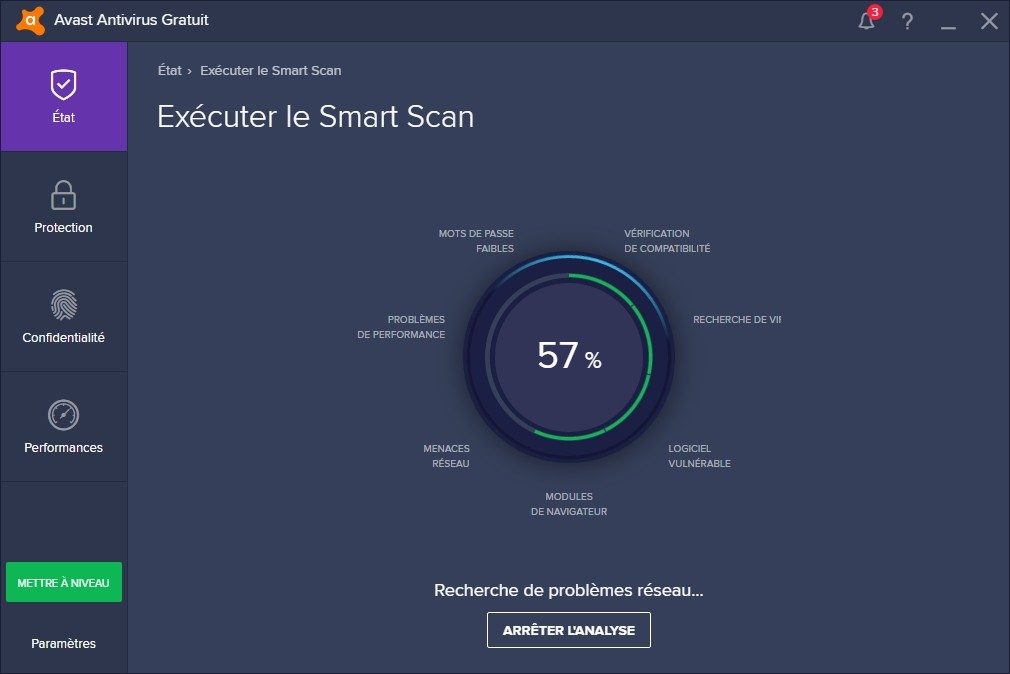
SmartScan is the most commonly used feature. Run checks with one click. This tool checks for malware. It also checks the security of your WiFi network. Report outdated software that hackers can exploit.
Legacy applications are easy targets. SmartScan finds them. Indicates what needs to be updated. This keeps your digital home safe.
Password management and email protection
Managing dozens of accounts can be a headache. Avast has a built-in password manager. Create strong, unique passwords for every site. It stores them securely.
The manager also checks existing passwords. A warning will appear if you reuse credentials. Highlight weak entries. Strong passwords are important. Reusing them doesn’t.
Email threats are always present. The Internet Security Agent scans incoming e-mails. Check the attachments. It reviews downloads. It neutralizes threats before you open them. This protects traditional email and popular instant messaging programs.
Privacy and WiFi protection
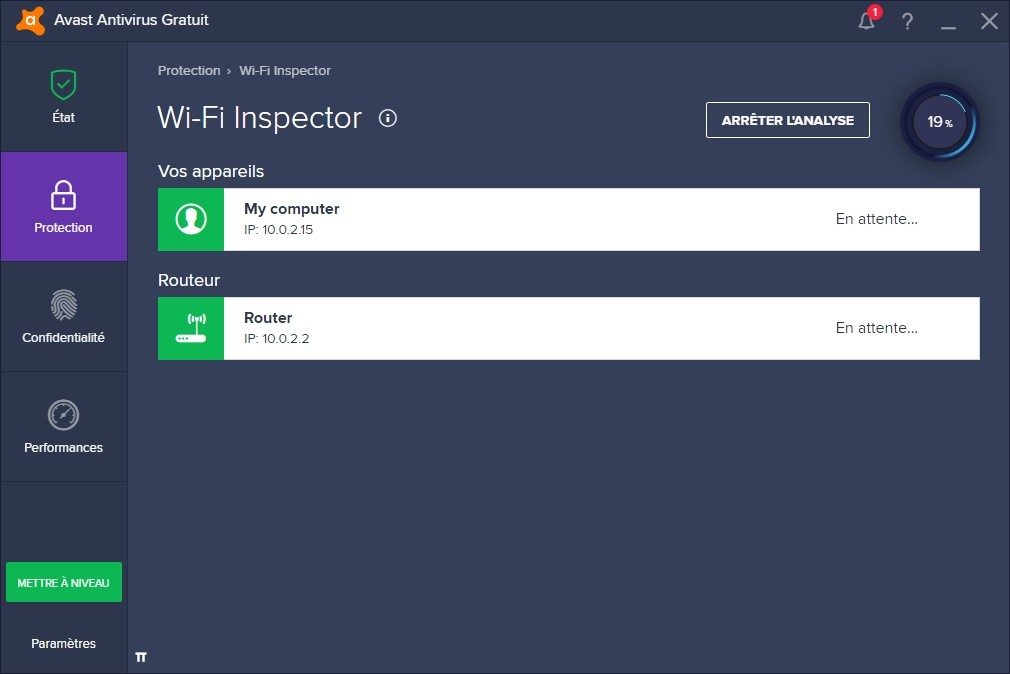
Privacy concerns are valid. Avast uses special tools to solve these problems. WiFi protection checks the network for vulnerabilities. Public Wi-Fi is dangerous. This feature helps ensure that your data is not intercepted.
Not much attention is paid to browser privacy. Avast blocks known malicious sites. However, advanced phishing protection requires a paid version. Banking security filters are also premium-only. Free users get basic protection. Paid users get comprehensive shielding.
On mobile devices, the application offers additional protection, anti-theft. Helps find your device. Remote wiping is now possible. Even if your phone is stolen, your data will remain safe.
スキャンをカスタマイズする
柔軟性が重要です。 アバストでは、ニーズに合わせてスキャンをカスタマイズできます。 起動時にスキャンをスケジュールできます。 部分スキャンを設定できます。 機密性の高いフォルダーに焦点を当てます。 Target removable drives。 大きなファイルをスキャンします。
上級ユーザーはより詳細に制御できます。 スキャン深度を調整します。 検出された脅威に対するアクションを定義します。 信頼できるファイルの除外を設定します。 特定のアクションを自動化します。 これにより、ワークフローに合った保護プロファイルが作成されます。
パフォーマンスも重要です。 無料版では速度低下を検出できます。 ジャンクファイルを見つけます。 過度の断片化を検出します。 自動クリーニングには有料のアップグレードが必要です。 ただし、手動による修復はまだ可能です。 システムの健全性を制御できます。
無料ソフトウェアは本当に現代の脅威に対処するのに十分なのでしょうか?基本的なことが非常によくカバーされています。 ヘビー ユーザーの場合は、有料アップグレードで不足分を埋めることができます。 しかし、ほとんどの人にとって、無料利用枠は強固な防御手段となります。 ウイルスを阻止するだけではありません。 It’s about staying ahead of them。
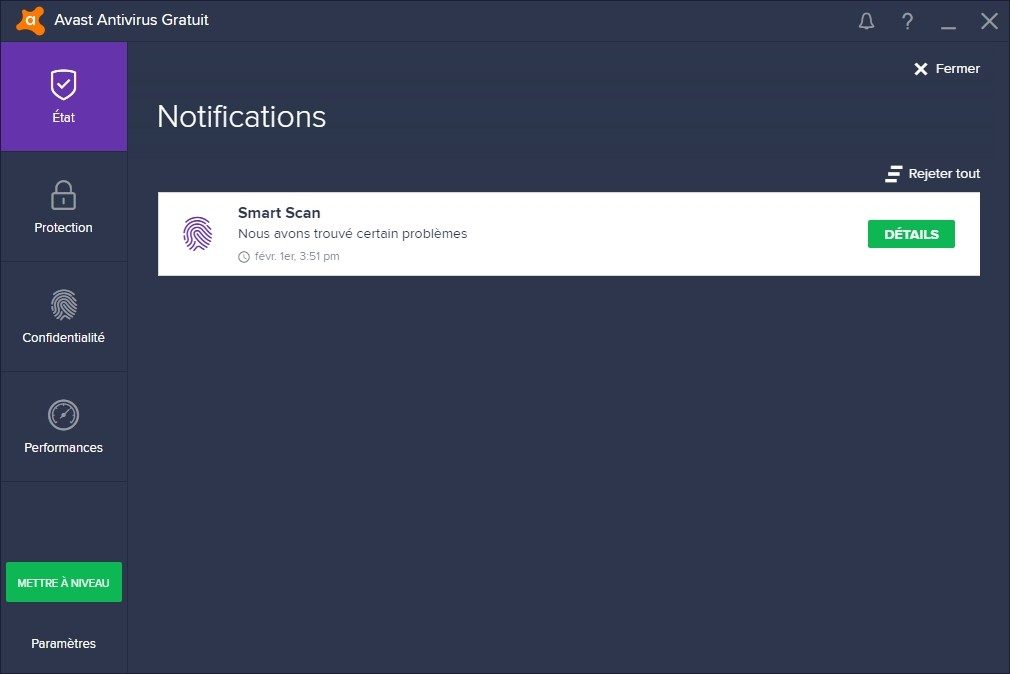
You get what you pay for, but in the world of free antivirus software, “free” usually means a gentle nudge toward the checkout cart. Avast Antivirus Free Edition offers core protection without the price tag, but its roadmap is full of locked features. You’ll get tips on irreversible file shredding, a built-in VPN, and more detailed camera privacy controls. These are not included with the basic model. For businesses, you should consider Avast Premium Security or Avast Ultimate. These paid tiers add layers of optimization and priority support not available in the free version.
Free licenses have strict limitations. The optimization tasks are not fully automated and may expose you to some of the more sophisticated ransomware that the paywall features are designed to prevent. Upgrade prices vary depending on the number of devices and current offers, but generally remain competitive compared to major competitors such as Bitdefender, Kaspersky, and Norton. Each of these options has different advantages.
Platform support and installation restrictions
Avast covers a wide range of hardware. Supports Windows XP to Windows 11. It runs on macOS, Android, and iOS, and there are also versions for some Linux distributions. This versatility makes it one of the most adaptable tools on the market. However, don’t assume that all features will work. The most advanced protection is reserved for modern operating systems. Support for old platforms is limited. Check the system requirements before installation. Avoid using Avast together with other antivirus solutions. Two real-time scanners competing for control can degrade performance and cause system crashes. If you are switching from another service provider, first remove the old software.
This is convenient because updates happen automatically. You can also use advanced settings to manually check for new virus definitions or updated software versions. Keeping your database up to date is non-negotiable if you want to stop zero-day threats. While Avast does not offer formal training courses for IT professionals, they provide a library of guides and webinars. You can find resources online to help you configure advanced settings correctly.
Maximize your data security without paying a cent
The free version attracts users due to its ease of use. The user interface is very clean. The prompts are explicit. You don’t need to be a security expert to keep your machine safe. Avast invests heavily in research to track down new malware, spyware, and adware that often hide behind suspicious downloads and malicious websites. Simplicity does not mean weakness here. The engine behind it is very powerful.
To get the most out of your free tier, you need to develop good habits. Updating your antivirus software is just the first step. You should also keep your operating system and other applications up to date. Schedule regular automatic scans. Pay attention to the notice. If Avast warns you that your password is weak or potentially dangerous, act on it. Privacy is also important. Use the data management modules when you share devices or work in public spaces.
Avast Free is just one link in a wider cyber security chain. You should still be wary of suspicious emails. Think twice before installing unknown software. Back up your data regularly. When you encounter specific configuration issues, forums and user communities often provide solutions that may not be documented in the official documentation.
In the end, remains a solid choice for a wide range of users. Its cross-platform compatibility and real-time security features make it the standard reference for individuals, students and small businesses who need security without additional costs. You can count on it. This is available. For many, this is enough. But is this enough for your threat model? That’s a question only you can answer when the risks and limitations have been weighed.
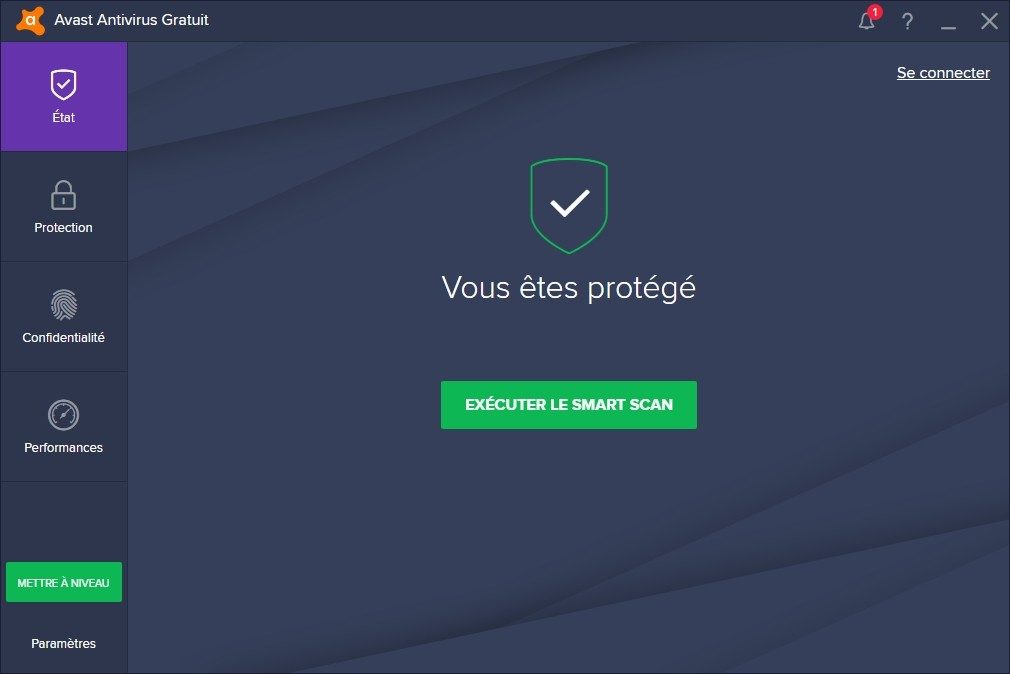
You want the tech specs before you hit download. Not just the marketing fluff. The real details that determine whether your machine can handle the load or if you’ll end up with a sluggish PC and a security suite that fights itself.
Avast Software puts this out. It’s free for personal use. Premium layers exist if you need to dig deeper, but the core product is the entry point for millions.
Supported platforms and architectures
The reach is broad. You aren’t locked into a single ecosystem.
Windows users have the most history here. XP through 11 are supported. Both 32-bit and 64-bit architectures run the .exe installer. If you are on an older box, the bare minimum is admin rights to install it. Newer machines handle it without breaking a sweat.
macOS isn’t an afterthought. It runs on both Intel chips and the newer Apple Silicon. The .dmg file is your standard download.
Mobile? It’s there. Android devices use the Google Play store. iPhones and iPads grab it from the App Store. These aren’t just wrappers. They are native ARM builds.
Linux is mentioned, but with a caveat. It depends on the distribution. It isn’t a one-click install for everyone there.
Language support is multilingual. French is explicitly listed, which matters for users who need the interface in their native tongue rather than guessing at English tech jargon.
How protection actually works
This isn’t just a database check. It’s a layered approach.
Real-time analysis scans files as they touch your system. Signatures catch known threats. Heuristics look for suspicious behavior in code that hasn’t been named yet. Cloud protection adds another layer, sending suspicious files to Avast’s servers for second opinions.
It’s not passive. It watches.
Updates and connectivity
You need an internet connection. Not for browsing, but for survival.
The engine and definitions update automatically. This is non-negotiable for maintaining a high security level. You can trigger manual updates if you want, but the automatic background process is the standard.
If you go offline too long, that protection layer thins out. The software relies on current data to identify new malware strains.
The cohabitation rule
Do not install another antivirus alongside Avast.
This is the most common mistake. Resident antivirus programs conflict. They watch the same files. They try to take control of the same system hooks. The result? Performance tanks. Security gaps open up because two programs are fighting for dominance rather than protecting your data.
Pick one. Run one.
Installation sources
Where you get it matters.
The official Avast website is the primary source. The Futura software library is also cited as a verified source. Using these ensures the installer is intact. No bundled adware. No modified binaries. Just the clean software.
Third-party download sites often wrap installers in extra junk. Avoid them. Stick to the publisher or a trusted, verified software archive.
Who is this for?
Primarily individuals. Personal use is the target.
Professional editions exist for advanced usage, but the free version is built for the average user. The configuration is minimal. The impact on daily use is designed to be low. It sits in the background. It alerts you when something looks wrong. It doesn’t demand constant attention.
The bottom line
The specs are straightforward. Broad compatibility. Lightweight enough for older hardware. Heavy enough to stop modern threats.
The key is installation discipline. Official sources. Single antivirus instance. Always connected for updates.
Ignore these rules, and the software’s power doesn’t matter. It breaks. Or worse, it leaves you exposed while it argues with another program about who gets to scan your hard drive.
The technology is solid. The execution depends on you.
The Endgame for Legacy Protocols
The transition isn’t just about speed. It’s about survival. For decades, IPv4 has carried the weight of the internet’s expansion, but its address pool is effectively dry. We hit the final blocks of usable IPv4 space years ago. Now, the infrastructure is scrambling to adapt.
Why does this matter to you? If you’re still on an old router, you might notice glitches. Older devices often struggle with dual-stack configurations. They can’t speak both IPv4 and IPv6 fluently. This causes latency spikes. Or worse, total connectivity drops.
Enter Dual-Stack operation. This is the standard bridge. Devices run both protocols simultaneously. Most modern routers handle this out of the box. But check your settings. Sometimes, the fallback mechanisms are too aggressive. Your device might prefer IPv4 even when IPv6 is available and faster.
Dual-stack remains the most reliable deployment model for mixed environments, but it introduces complexity in troubleshooting.
Carrier-Grade NAT: The Great Compromise
Not everyone can afford a full IPv6 rollout. Enter Carrier-Grade NAT (CGN). Internet Service Providers use this to squeeze more users out of limited IPv4 addresses. You get a private IP. The ISP gives you a shared public IP.
It’s a stopgap. A massive one.
CGN adds a layer of translation. Your traffic gets rewritten before it hits the wider web. This breaks end-to-end connectivity. Peer-to-peer apps suffer. Online gaming lags. Remote access becomes a headache. You’re no longer directly addressable.
Is CGN the future? No. It’s a band-aid on a bullet wound. But it keeps the lights on while IPv6 adoption crawls forward. The downside? Complexity. Security logs become harder to trace. If your connection drops, you might not know if it’s your router or the ISP’s NAT layer failing.
The Security Implications
IPv6 isn’t inherently more secure. It’s different. The protocol itself has built-in IPsec support. But implementation? That’s where things get messy. Many firewalls still treat IPv6 as an afterthought. Or ignore it entirely.
Assume your IPv6 traffic is exposed. Assume your router is leaking addresses. This is common. SLAAC (Stateless Address Autoconfiguration) can reveal your device’s MAC address. Or rather, it used to. Modern systems use privacy extensions. But older IoT devices? They’re loud. They advertise their presence.
Attackers are already scanning IPv6 ranges. The address space is vast. Scanning it is trivial for automated bots. If you’re not filtering IPv6 traffic in your firewall, you’re leaving a door wide open.
How to Check Your Setup
You don’t need a network degree to verify your status. Simple commands work.
- Windows: Open Command Prompt. Type
ipconfig. Look for an IPv6 address starting with2001or2a0. - macOS/Linux: Terminal. Type
ifconfigorip addr. Look forinet6. - Online: Sites like ipv6-test.com can tell you if your connection is native or tunneled.
If you see ::1, that’s loopback. Local only. If you see a fe80 address, that’s link