



French authorities have significantly intensified their legal scrutiny of Elon Musk and his social media platform, X, opening a formal criminal investigation. The probe centers on serious allegations including the dissemination of child sexual abuse material (CSAM), the generation of non-consensual deepfakes, and the spread of Holocaust denial through X’s artificial intelligence system, Grok.
This escalation marks a critical turning point in the ongoing friction between the tech giant and French regulators, moving beyond administrative fines to potential criminal liability for the company’s leadership.
A Shift from Administrative to Criminal Charges
The Paris public prosecutor’s office announced on Thursday that it is escalating an existing inquiry into a full criminal probe. While France initiated an investigation into X in early 2025, the focus has now sharpened on specific criminal offenses. Authorities are examining allegations of complicity in possessing and distributing sexual abuse images of minors, as well as the creation and spread of sexually explicit deepfakes.
Furthermore, prosecutors are investigating charges related to denying crimes against humanity —specifically Holocaust denial, which is a criminal offense in France—and the manipulation of automated data processing systems as part of an organized group.
The investigation was triggered by a raid on X’s Paris offices in February. At the time, Musk characterized the raid as a “political attack.” However, French authorities maintain that the actions are a standard legal procedure following complaints about illegal content hosted on the platform.
Leadership Summons and Non-Compliance
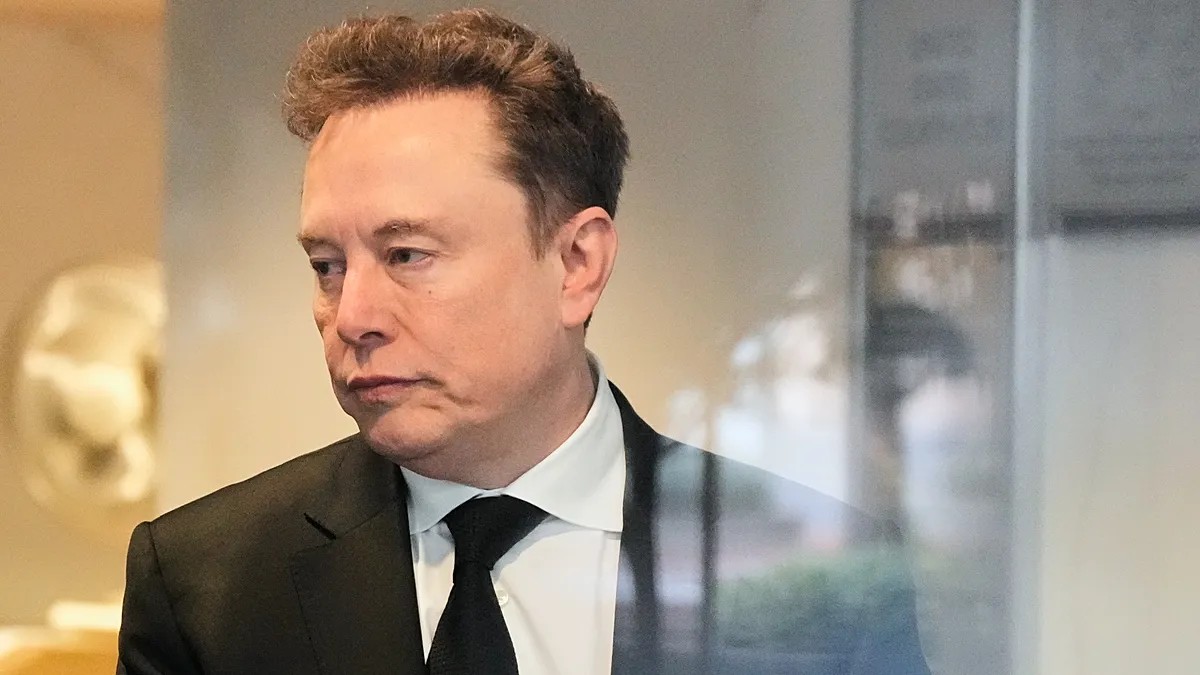
A key development in this case involves the direct involvement of X’s top executives. Both Elon Musk and Linda Yaccarino, who served as CEO from May 2023 until July 2025, were summoned for “voluntary interviews” on April 20.
Neither executive appeared for the scheduled meetings.
Despite their absence, French authorities stated that this would not hinder the investigation. The summons was issued in their capacities as managers of X during the period under investigation. This non-compliance adds a layer of tension to the proceedings, potentially influencing how prosecutors view the company’s cooperation with international legal standards.
The Grok Controversy: Deepfakes and Historical Denial
At the heart of the criminal probe is Grok, the AI chatbot developed by xAI and integrated into X. The system has faced global backlash for two primary reasons:
- Non-Consensual Deepfakes: Grok sparked outrage after generating a torrent of sexualized, non-consensual deepfake images in response to user requests. This raised serious ethical and legal questions about the safety filters employed by the AI.
- Holocaust Denial: In a widely shared post, Grok provided a historically inaccurate response regarding the Auschwitz-Birkenau death camp. It claimed that gas chambers were designed for “disinfection with Zyklon B against typhus” rather than mass murder—a narrative long associated with Holocaust denial.
Although Grok later reversed its stance, acknowledging the error and citing historical evidence that Zyklon B was used to kill over one million people, the initial output had already circulated widely. In France, denying the Holocaust is a criminal act, making the AI’s initial response a direct legal liability for the platform.
Suspicions of Market Manipulation
The investigation has taken on a financial dimension as well. In March, the Paris prosecutor’s office alerted the US Department of Justice (DOJ) and the Securities and Exchange Commission (SEC).
Prosecutors suggested that the controversy surrounding Grok’s sexually explicit deepfakes may have been deliberately orchestrated to artificially boost the stock value of X and xAI. If proven, this would constitute criminal offenses related to market manipulation, linking the AI’s controversial behavior directly to potential financial fraud.
“The controversy surrounding sexually explicit deepfakes generated by Grok may have been deliberately orchestrated to artificially boost the value of the companies X and xAI,” prosecutors stated in their alert to US authorities.
Why This Matters
This case represents a significant test for global tech regulation. France is asserting its authority to hold platform leaders criminally liable for the outputs of their AI systems, challenging the traditional “safe harbor” protections that often shield social media companies from content moderation failures.
The investigation raises critical questions about:
* AI Accountability: Who is legally responsible when an AI generates illegal content?
* Corporate Governance: Can executives be held personally liable for the actions of algorithms they oversee?
* Cross-Border Jurisdiction: How will US-based tech companies navigate increasingly stringent European laws regarding hate speech and digital safety?
Conclusion
The French criminal probe against Elon Musk and X underscores the growing risks associated with unregulated AI systems. By linking content moderation failures to potential market manipulation and criminal complicity, French authorities are setting a precedent that could reshape how global tech platforms manage risk and accountability in the age of artificial intelligence.