



Ten years after Batman v Superman: Dawn of Justice hit theaters, 2016 stands out as a pivotal year for superhero cinema. Not only did it launch the DC Extended Universe (DCEU) into motion, but it also introduced a wave of new characters across Marvel, Fox, and DC franchises. These debuts weren’t just about adding capes to the big screen; they shaped the trajectory of entire cinematic universes.
This ranking evaluates how effectively those characters were introduced in their first films and how they’ve evolved since. The quality of the movies themselves is secondary here; it’s about the impact of the characters themselves.
The Least Impactful: Rebooted X-Men
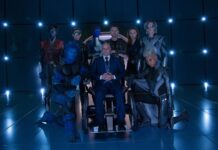
Fox’s attempt to reboot the X-Men franchise in X-Men: Apocalypse fell flat. The teen versions of Cyclops, Jean Grey, and Storm were introduced with little development, serving mostly as setup for future storylines that never materialized. These characters felt like placeholders, lacking the depth that made their predecessors memorable.
The older X-Men films, despite their flaws, at least centered around iconic figures like Wolverine, Xavier, and Magneto. Apocalypse failed to capitalize on its young cast, leaving them as forgettable afterthoughts. The 2019 film Dark Phoenix sealed their fate, and none of these actors have resonated culturally in the way that previous generations of X-Men have.
Barely Functional: Ben Affleck’s Batman
Ben Affleck’s Batman was a calculated attempt to ground the character in gritty realism, drawing heavily from Frank Miller’s The Dark Knight Returns. The film spent significant time establishing Bruce Wayne’s trauma and motivations, but ultimately failed to build a sustainable future for the character.
Affleck’s Batman was a departure from Christian Bale’s more tactical approach, leaning into an older, more brutal interpretation. Despite some strong action sequences, the DCEU’s chaotic direction led to his abrupt exit after Justice League. Affleck did get a final cameo in The Flash (2023), but his tenure remains a cautionary tale of unrealized potential.
A Missed Opportunity: The Suicide Squad
David Ayer’s Suicide Squad (2016) aimed for the edgy, antihero vibe of Guardians of the Galaxy, but fell short. The film’s characters were underdeveloped, and its tone was muddled. While it had a strong soundtrack and a grimy aesthetic, it failed to deliver a compelling narrative.
James Gunn’s 2021 reboot, The Suicide Squad, corrected many of these issues, but the original film left a lingering impression. Some characters, like Viola Davis’ Amanda Waller and Margot Robbie’s Harley Quinn, survived the transition to Gunn’s DCU, but the 2016 version remains largely forgotten.
The Bare Minimum: Justice League’s Supporting Cast
Before Batman v Superman reached its climax, brief cameos of Wonder Woman, Cyborg, Flash, and Aquaman were meant to tease the future Justice League. Only Gal Gadot’s Wonder Woman made a lasting impact in the immediate aftermath. The rest felt like placeholders, lacking substantial development.
The DCEU’s Justice League ultimately failed to live up to expectations. Snyder’s departure from Justice League and Whedon’s controversial edits further derailed the team’s trajectory. By 2023, most of these characters were phased out, with Jason Momoa’s Aquaman being the last major survivor.
A Strong Start: Doctor Strange
Marvel’s Doctor Strange successfully introduced magic to the MCU, with Benedict Cumberbatch anchoring the role as Stephen Strange. The film not only established Strange as a powerful sorcerer but also positioned him as a key player in future events, including Infinity War and Multiverse of Madness.
Prior to his MCU debut, Strange was a relatively obscure character, appearing in minor roles in Marvel cartoons. The MCU gave him a platform to shine, and his subsequent appearances cemented his importance in the cosmic side of the universe.
The Star-Making Debut: Black Panther
Chadwick Boseman’s T’Challa stole the show in Captain America: Civil War before even getting his own solo film. His introduction wasn’t just a cameo; it established Wakanda as a cultural force and T’Challa as a complex hero with compelling motivations.
Boseman’s portrayal of T’Challa was praised for its nuance and charisma. His untimely death in 2020 left a void that Marvel is still trying to fill, with Shuri set to inherit the mantle in future installments. His impact on the MCU and popular culture remains undeniable.
The Game Changer: Deadpool
Ryan Reynolds’ Deadpool redefined superhero cinema with its meta humor, excessive violence, and unapologetic R-rating. The film didn’t just introduce a character; it introduced an attitude. Deadpool broke the fourth wall, mocked superhero tropes, and embraced its own absurdity.
The success of Deadpool proved that superhero movies didn’t have to adhere to strict formulas. It paved the way for more adult-oriented comic adaptations and gave Reynolds a career-defining role. Deadpool’s future in the MCU remains uncertain, but his impact on the genre is undeniable.
In conclusion, 2016’s superhero debuts were a mixed bag. Some characters thrived, while others faded into obscurity. The key takeaway is that introducing a character is only half the battle; sustaining their relevance requires consistent development and a long-term vision.