



The Cold War ended decades ago, but the obsession with espionage never did. From Ian Fleming’s mid-century novels to Sean Connery stepping into the tuxedo in 1962’s Dr. No, the public has been hooked on the idea of double agents and global intrigue. That fascination didn’t fade with the 1990s. Bond films still pack theaters, and franchises like Jason Bourne prove that audiences are still hungry for high-stakes suspense.
But why do we keep watching? It’s not just the action or the diplomatic thrill. It’s the hardware.
The gadget factor
In every Bond film, the hero wins because of a specific piece of tech. A pen that’s actually a gun. A watch with a laser. These props used to be pure fiction, designed to make moviegoers feel a distant longing for the clandestine world. They fed our curiosity about what happens behind closed government doors.
Today, that line between Hollywood fiction and reality has blurred. Technology has caught up. What was once exclusive to intelligence agencies and law enforcement is now available to anyone with a credit card. If you’re worried about break-ins, suspicious neighbors, or even corporate espionage, you can buy the same kind of surveillance and tracking tools that spies are famous for using.
From prop to product
The shift is significant. Companies are adapting equipment originally designed for top-secret government projects and adapting it for the public market. You don’t need clearance to buy a high-resolution security camera, a covert listening device, or a GPS tracker. Online retailers offer countersurveillance tools that help you detect if someone is spying on you.
This isn’t science fiction anymore. It’s e-commerce.
The appeal remains the same: the desire to know what’s happening in your own space, to protect your home, and to have the upper hand. The only difference is that you no longer need a 007 license to access this gear. You just need to know where to look.
“Spy gadgets seem to feed into our desire to know what’s going on behind the scenes.”
As we look closer at specific categories of this equipment, the first area to examine is the humble, yet powerful, listening device.
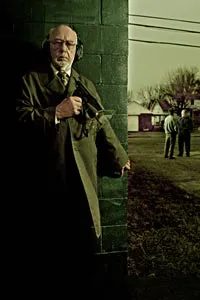

The Reality of Parabolic Mics and Your Legal Liability
Listening is just how humans operate. Two people talking can dump a ton of data in a minute. For criminals, that conversation is a liability. For spies, it’s gold. If you catch the right exchange, you get the plan, the location, the details. Recording it? That’s even better for the evidence file later.
In espionage, covert listening is a core skill. You need the right gear. Stay hidden longer, you collect more intel. It’s that simple.
Commercial audio surveillance gadgets have a favorite: the parabolic microphone. Nature photographers and bird watchers use them. The dish shape focuses sound from far away. Without the device, 300 yards is silent. With it, it sounds like they’re in your ear. You plug in headphones. Hook up a recorder. Done.
The range is the killer feature. You stand 300 yards away (about 274.3 meters), point the dish, and listen. You’re safe. You’re undetected.
It looks easy to buy. Go online. Search “surveillance listening devices.” Order one. It shows up in a few days. You could be spying on your neighbors by Friday.
But here is the catch. Is it legal?
In the U.S., no. Unless you are law enforcement, you cannot install, use, or maintain listening devices to hear or record someone’s conversation without their permission. That is a hard line. You need a warrant. Audio surveillance without a warrant is a crime.
State laws vary slightly. Some are stricter. Some have nuances. Do not guess. Talk to a lawyer before you set up any audio surveillance. The risk of legal trouble is real. The gear is cheap. The consequences are not.
Countersurveillance Devices


How burglars use observation to target homes
Think of surveillance not just as cameras on a pole. It is often a passive act of patience. A burglar rarely kicks down a door at random. They watch. They note when the lights go out. They track when the residents leave for work. They map the empty windows. If they are meticulous enough, they deploy actual equipment to spy on the target.
The goal is intelligence. Not force. Force is messy. Information is clean.
What countersurveillance actually does
If someone is spying on you, they are on the offensive. They are hunting. You are the prey. But the dynamic flips when you get suspicious. That is when countersurveillance enters the picture. It is not about fighting back. It is about confusion and detection.
CS devices are built to scramble hostile tech. They hunt down hidden transmitters. They identify the specific signal being emitted. The focus is tight: audio and video surveillance installed covertly. These gadgets don’t just find the device. They pinpoint its location.
How to spot when you are being watched
You do not need a device to start the process. You need eyes. Four factors give it away: time, environment, distance, and demeanor.
- Time: How long does the stranger stay?
- Environment: Where are they positioned?
- Distance: How far are they from the door?
- Demeanor: Are they acting naturally?
A car parked down the street at 3 AM is not normal. A person who seems overly nervous about being seen is not normal. If you spot these patterns, the odds shift. That is the moment to deploy CS equipment. You are no longer guessing. You are verifying.
Tracking Devices
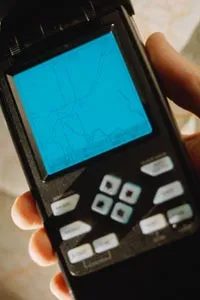
The Privacy Gray Zone of Civilian GPS Tracking
The line between navigation aid and surveillance tool is thinner than most drivers realize. Yes, your phone app calculates your position using a constellation of satellites, providing speed, direction, and exact coordinates. That technology, combined with integrated satellite positioning for smartphones, makes getting to a destination easy. But it also makes tracking someone else deceptively simple.
How Law Enforcement Uses GPS Trackers vs. Personal Use
Police have relied on GPS, along with radio frequency (RF) and RFID technologies, for years. They attach devices to vehicles to monitor suspects involved in theft, assault, or other crimes. Courts have largely sanctioned this practice in criminal investigations. The context matters. State power operates under specific legal frameworks that civilian actions do not.
If you are considering putting a tracker on a car or person without their consent, you are stepping into legal quicksand. Just as with audio and video surveillance, unauthorized tracking is generally illegal. You cannot simply install a device on someone else because you suspect them of wrongdoing.
Can You Legally Track Someone with a GPS Device?
No, not without a warrant. If there is concern over illegal activity, the correct step is to contact authorities. They determine if a warrant is necessary. A private citizen using a personal GPS tracking device to monitor another individual violates privacy laws. The legality is “shaky” at best. Most judges allow law enforcement to use these tools during investigations, but that permission does not transfer to you.
The Difference Between Surveillance and Navigation
Understanding the distinction is key. Navigation tools help you move from point A to point B. Surveillance tools monitor point B without the subject’s knowledge. As devices become more feature-rich, adding internet connectivity and advanced sensors, the potential for misuse grows. This isn’t just about car theft. It applies to any location-based data.
- Law Enforcement: Authorized, warrant-backed, used for public safety.
- Private Citizens: Unwarranted, illegal, used for personal disputes.
The technology remains the same. The intent changes everything.
Where to Find Counter-Surveillance Information
For those concerned about their own privacy, resources exist on countering these devices. Organizations like ASG Surveillance Group and Brick House Security discuss countersurveillance techniques. Knowing how to detect RF and RFID tags can protect you from unauthorized monitoring.
- ASG Surveillance Group: “Audio surveillance and the law.” 2008.
- Brick House Security: “Countersurveillance.” 2008.
- Fred Burton: “The secrets of countersurveillance.” Stratfor, June 6, 2007.
- Anna Garcia: “‘Spying’ made easy.” NBC, Dec. 1, 2008.
- Ben Hubbard: “Police turn to secret weapon: GPS device.” Washington Post, Aug. 13, 2008.
- MES Innovations: “Explanation of surveillance devices.” 2005.


