



Darren Aronofsky, a director known for visually striking films like Black Swan and The Whale, is now venturing into AI-generated storytelling with his new short film series, On This Day…1776. The project, spearheaded by his AI-first studio Primordial Soup, aims to blend art and technology, but the execution so far feels more like a chaotic experiment than a meaningful exploration.
The series recreates key moments from the American Revolution, debuting weekly on the anniversary of the event. However, the early episodes suffer from noticeable AI artifacts and questionable artistic choices. The most glaring issue? The occasional, unexplained glitch where “America” is briefly rendered as “Aamereedd” – a telltale sign of generative AI at work. This isn’t necessarily a bug; Aronofsky is openly embracing AI’s imperfections as part of the project.
The Problem with AI-Driven Art
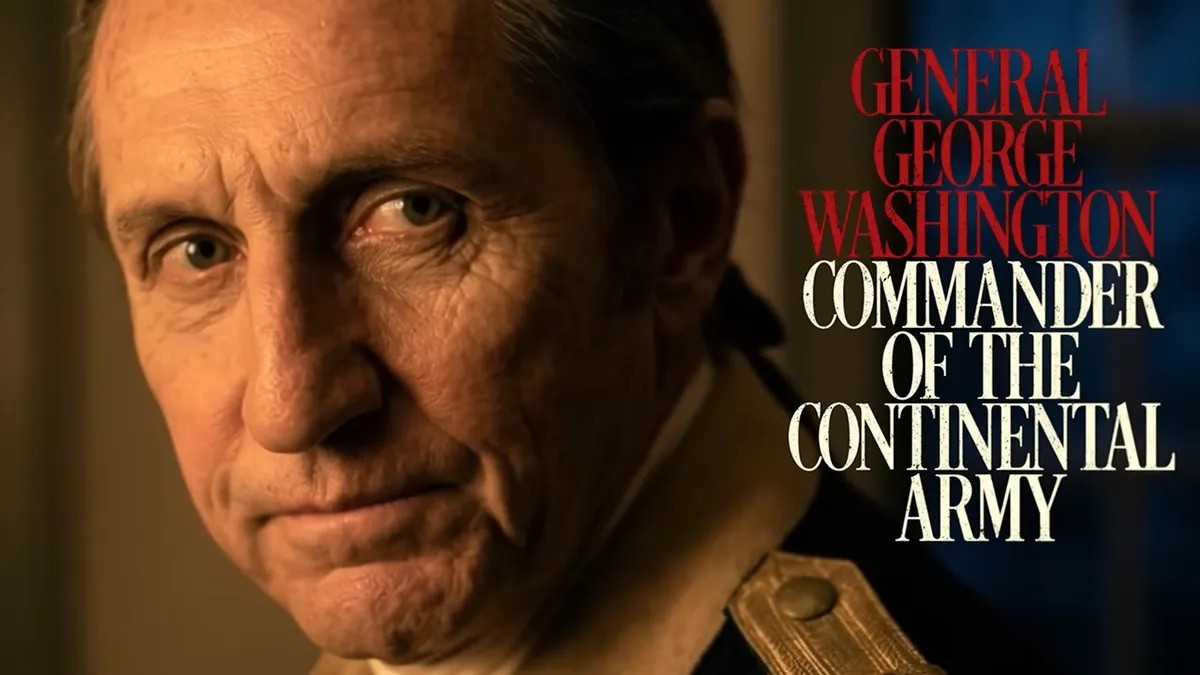
Aronofsky’s ambition isn’t to hide the AI’s presence but to integrate it. Primordial Soup seeks to create a new creative model, merging narrative with experimental workflows. The problem is that the current result feels disjointed and distracting. Faces appear waxy or rubbery, lips don’t sync with dialogue, and the overemphasis on hyperrealistic textures (strands of hair, burlap weave, skin pores) feels like a forced demonstration of AI capabilities rather than a natural part of storytelling.
The series also suffers from bizarre directorial choices: tight shots of shoes, the backs of heads, and overly dramatic sequences. These decisions, presumably made by human filmmakers, clash with the AI-generated visuals, creating an unsettling and often laughable final product.
Hollywood’s AI Anxiety
This project arrives at a tense moment in Hollywood. After recent strikes over AI’s threat to creative jobs, studios like Disney are already making deals with AI developers (like OpenAI) to exploit intellectual property. Aronofsky acknowledges this inevitability, stating that shaping AI tools is better than letting others do it. But his approach – doubling down on AI-generated flaws – isn’t the solution.
On This Day…1776 feels more like a proof of concept than a polished product. The episodes under 5 minutes long, barely scratching the surface of historical events like Washington raising the American flag or Henry Knox’s winter expedition. The pacing is crisp, likely due to AI’s time constraints, but the overall effect is underwhelming.
Human Involvement Remains Opaque
Details about human contributions are scarce. Credits are missing, and only a few names (Jordan Dykstra for the score, Lucas Sussman as the writers’ room lead) are publicly acknowledged. Production sources claim humans handle storyboarding, editing, and post-production cleanup, but the process remains largely opaque. The series relies heavily on tools like Google’s Veo and DeepMind’s Gemini, but the specifics of their usage aren’t fully disclosed.
AI in History: A Missed Opportunity
The series attempts to reframe the Revolution as a fragile experiment, not a foregone conclusion. This point is valid; the success of the American Revolution was far from certain. But the execution undermines the message. Compared to the humble Bicentennial Minutes of 1976, which delivered concise historical insights, On This Day…1776 feels showy and distracting.
Ultimately, Aronofsky’s venture highlights the challenges of integrating AI into art. While AI tools are advancing rapidly, simply generating visuals isn’t enough. A compelling narrative requires thoughtful direction, emotional depth, and a clear purpose – qualities that On This Day…1776 currently lacks. The experiment may be valuable in the long run, but right now, it’s a messy reminder that AI-generated content isn’t a substitute for human artistry.