





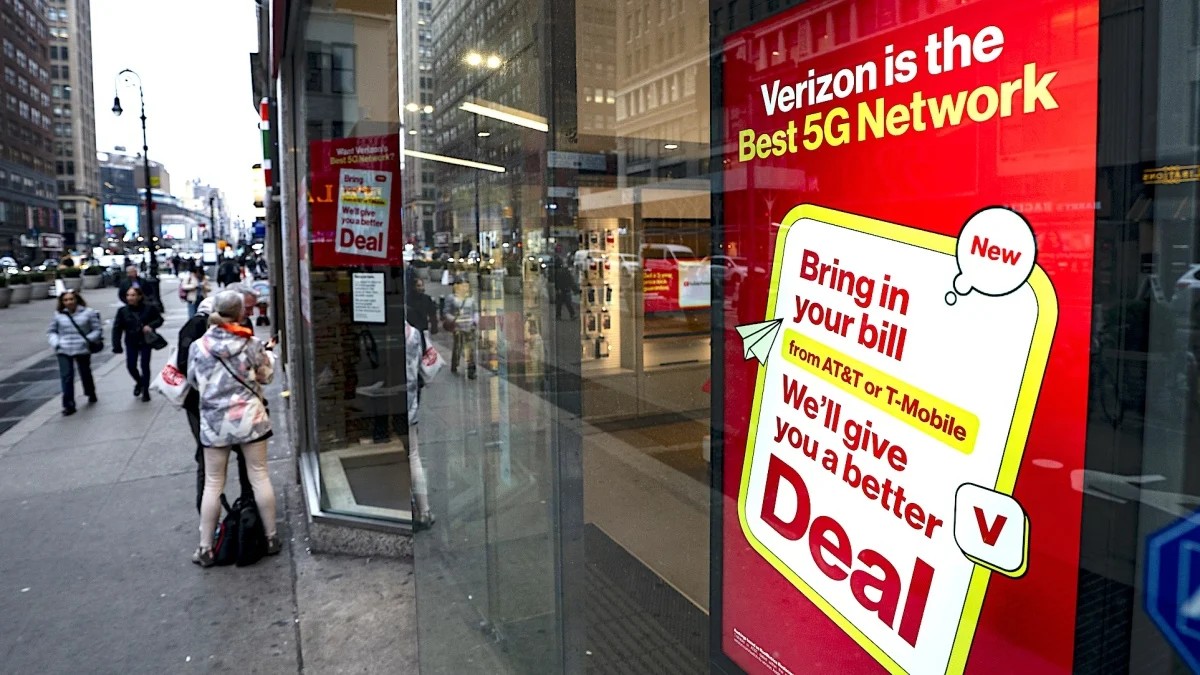
The recent Verizon outage of January 2026 was a significant failure in mobile network reliability, and experts warn it won’t be the last. The event underscores a critical truth about modern mobile infrastructure: uninterrupted service, like utilities such as water or electricity, is not currently feasible. Cell towers, satellites, and complex software systems are prone to failures—and the severity of these outages is increasing.
The Scale of the Disruption
This Verizon outage was particularly severe, potentially blocking untold numbers of 911 calls and eclipsing the major AT&T service implosion of February 2024. That earlier incident lasted around 11 hours, leaving 92 million calls undelivered, including 25,000 emergency calls. The Verizon disruption was different; it simultaneously crippled both voice and data, leaving phones stuck in emergency mode.
What Went Wrong?
While the AT&T outage was traced to a misconfigured software update by an employee, the Verizon failure appears to be a more fundamental “core failure.” The company struggled to identify the root cause, suggesting a deeper, systemic issue within its network software. Investigations are underway, but early reports suggest this was more than just a simple misconfiguration.
Layoffs and Institutional Knowledge
Adding to the complexity, Verizon underwent significant layoffs in November 2025, cutting 13,000 jobs, including network engineering roles. Experts speculate that the loss of institutional knowledge may have exacerbated the crisis. The absence of experienced personnel could have hindered rapid diagnosis and resolution of the software-driven outage.
The Data Tells the Story
Downdetector data confirms the severity of the Verizon outage. During the AT&T incident, peak reports peaked at 74,000 concurrent user complaints, which stabilized within a few hours. Verizon’s outage, however, spiked to 178,000 concurrent reports at midday on January 14, 2026—a far more intense surge. The impact was visible, even with Verizon stores themselves stuck in emergency mode.
Long-Term Consequences
Analysts predict Verizon will face brand damage and customer churn in the coming months. Some customers may cancel contracts due to the disruption, especially as the $20 compensation offered may not be enough. The outage highlights the need for more robust network redundancy and automatic compensation systems, such as the AT&T Guarantee, which offers a full day of free service if outages exceed an hour.
The industry will closely monitor the extent of the customer exodus. While reduced network load might seem like a minor benefit, losing customers will ultimately harm Verizon financially in the short term.
The Verizon outage of 2026 serves as a stark reminder that even the most advanced mobile networks are vulnerable. The incident raises critical questions about infrastructure resilience, staffing decisions, and the potential for future disruptions, underscoring the need for proactive measures to mitigate systemic risks.