



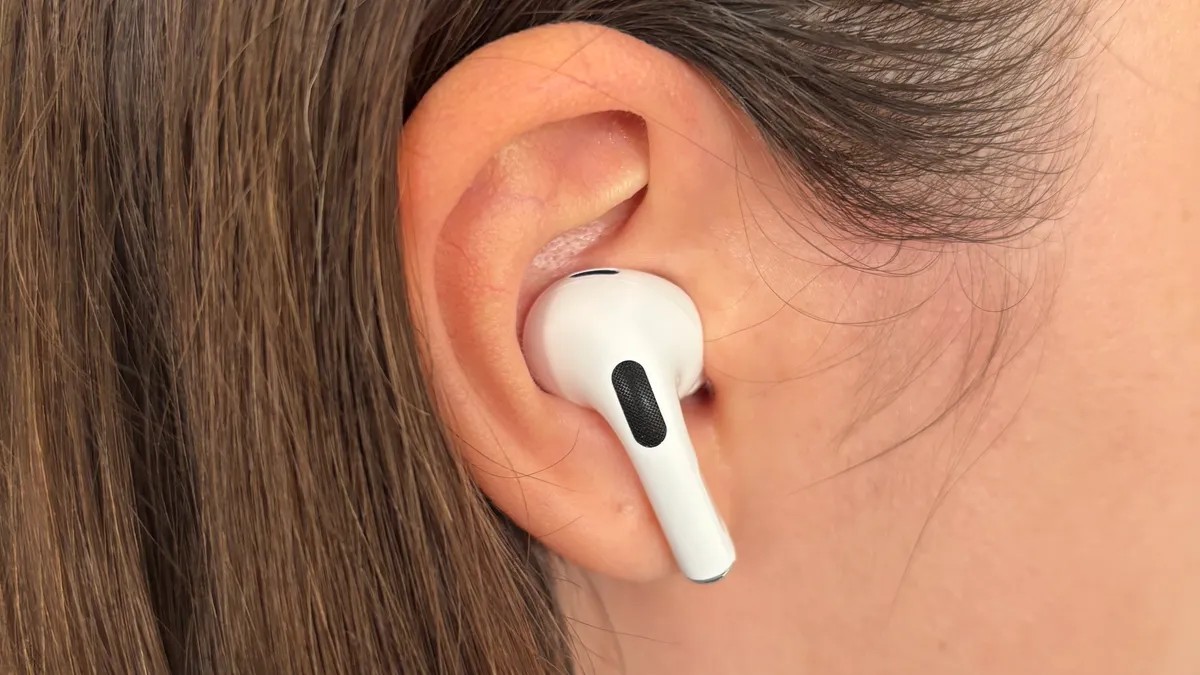
Modern life is filled with sound, and for many, that sound comes through earbuds. But are those convenient little devices quietly damaging our hearing? After experiencing temporary hearing loss myself, I spoke to audiologists to understand the risks and how to prevent them. The consensus is clear: earbuds aren’t inherently dangerous, but misuse can lead to permanent damage.
The Risks of Earbuds: More Than Just Volume
Audiologists like Dr. Ruth Reisman confirm that earbuds pose several risks. Beyond the obvious danger of loud music, they can trap heat and moisture, increasing the chance of ear infections. Repeated use can also push earwax deeper into the ear canal, causing blockages. Even properly fitted earbuds can cause irritation with prolonged wear.
The biggest threat remains noise-induced hearing loss. Dan Troast, an audiologist at HearUSA, explains that exposure to high volumes damages the delicate hair cells in the inner ear, potentially causing permanent hearing loss, tinnitus (ringing in the ears), and increased sound sensitivity. The problem isn’t just loud music; it’s the tendency to crank up the volume in noisy environments when using non-noise-canceling earbuds.
The 60/60 Rule and Smart Listening Habits
The solution? Follow the “60/60 rule”: listen at no more than 60% of maximum volume for no more than 60 minutes at a time. This isn’t just arbitrary advice. Reisman recommends 15- to 20-minute breaks every hour to allow your ears to recover.
Many smartphones now include built-in hearing health features. Apple, for example, can alert you when you’ve exceeded safe listening limits or automatically lower the volume if it gets too loud. Utilizing these tools is a simple way to protect your ears.
Headphones vs. Earbuds: What’s Safer?
While earbuds aren’t evil, over-the-ear headphones are generally safer because they don’t directly blast sound into the ear canal. Noise-canceling headphones are even better, as they reduce the need to increase volume in noisy environments. However, even with headphones, excessive volume remains the primary danger.
Open-ear headphones, which use bone conduction, are another option. These bypass the eardrum, reducing the risk of direct damage and hygiene concerns.
Beyond Volume: Allergies and Hygiene
Audiologists also highlight often-overlooked issues. Some people are allergic to earbud materials; if you experience irritation, switch tips. Keeping earbuds clean and avoiding sharing them is also vital. Proper fit is crucial – most earbuds include multiple tip sizes for optimal comfort and sound isolation.
When to Seek Professional Help
Don’t ignore warning signs. If you experience ringing in your ears, muffled hearing, ear pain, or frequent infections, see an audiologist. Early intervention can prevent permanent damage. Even if you already have hearing loss, hearing aids can provide relief. Tinnitus can be managed through sound therapy and counseling.
Ultimately, hearing damage is cumulative but preventable. Smart listening habits, volume control, and regular breaks are the keys to protecting your ears. The technology isn’t the enemy; irresponsible use is.