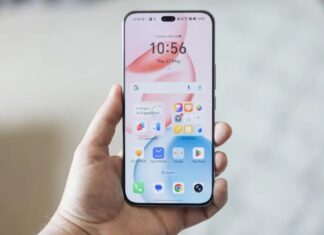





WhatsApp is rolling out a major security upgrade: end-to-end encrypted chat backups secured with passkeys. This means your message history, photos, videos, and voice notes will be protected by biometric authentication (face or fingerprint) or your device’s lock screen code, instead of relying on traditional passwords. The update, announced Thursday, will be released over the coming months.
Why This Matters: Beyond Passwords
The move to passkeys is significant. Passwords are notoriously weak: easily hacked, forgotten, or reused across multiple sites. Passkeys eliminate these vulnerabilities by tying login authentication directly to your device. This approach is faster, more secure, and simplifies access for users.
According to recent data, passkey adoption is accelerating, reducing login friction and lowering support requests for IT departments. The shift reflects a broader industry trend towards passwordless authentication, driven by growing cyber threats and user frustration with complex credentials.
How Passkey Encryption Works
Instead of typing in a password, you’ll verify your identity using methods you already use to unlock your phone: facial recognition, fingerprint scanning, or your lock-screen PIN. This is the same level of security used for WhatsApp’s encrypted chats and calls, now extending to cloud backups.
Previously, WhatsApp allowed users to encrypt backups with passwords or 64-digit keys – a cumbersome process many skipped. Passkeys streamline this, making strong encryption accessible to everyone.
Setting Up End-to-End Encrypted Backups
You don’t have to wait for the passkey rollout. You can enable encrypted backups now by following these steps:
1. Open WhatsApp Settings.
2. Go to Chats > Chat Backup.
3. Select End-to-End Encrypted Backup.
You can then choose to encrypt with a password or 64-digit key while passkey support is being deployed.
By simplifying encrypted backups, WhatsApp is making a crucial step towards protecting user privacy in an era where data breaches are increasingly common. This change reinforces the idea that security should be seamless and intuitive, not an obstacle.