




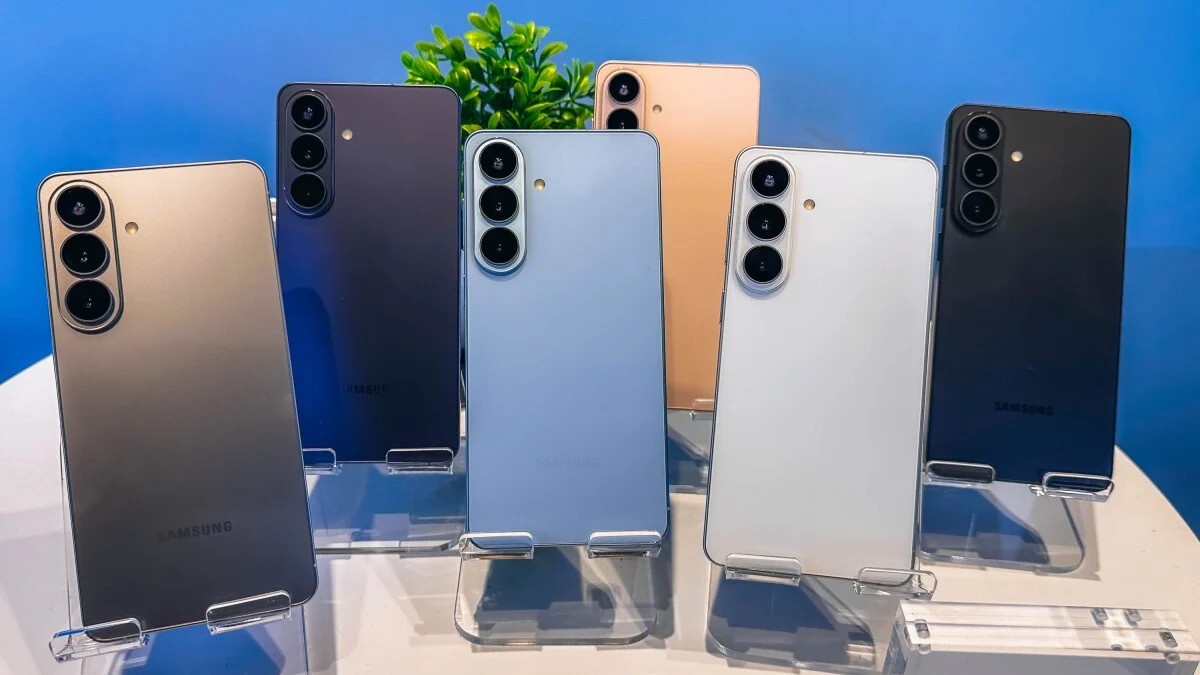
The latest Samsung Galaxy S26 lineup is now available for pre-order, launching on March 11th. While the overall price structure remains largely consistent with previous generations, some models have seen modest increases, while others have not. The changes reflect broader trends in the tech market, including component shortages and trade policies.
Price Breakdown: S26, S26 Plus, and S26 Ultra
Here’s how the new pricing compares to the previous S25 series:
- Galaxy S26: $899.99 (previously $799.99 for the 128GB model)
- Galaxy S26 Plus: $1,099.99 (up $100 from the S25 Plus at $999.99)
- Galaxy S26 Ultra: $1,299.99 (no price increase from the S25 Ultra)
The base S26 price increase isn’t a straight hike; Samsung has discontinued the 128GB storage option. The new S26 now starts with 256GB, aligning with the equivalent S25 model in price. The only real increase is on the S26 Plus, which now costs $100 more than its predecessor.
Why the Price Adjustments?
Several factors are driving these changes. A global memory shortage, fueled by the rapid expansion of artificial intelligence, is increasing component costs across the industry. This isn’t unique to Samsung; many tech companies are facing similar pressures. Additionally, tariffs and broader inflation add to the expense of manufacturing and importing devices.
These forces mean that new tech products rarely become cheaper over time. Samsung also ended its usual pre-order bonus of doubling storage for free, which further affects the total cost.
The Bigger Picture
These price adjustments are part of a larger trend. The tech industry is becoming increasingly sensitive to supply chain disruptions and geopolitical factors. While Samsung’s increases are relatively small, they signal that consumers should expect similar adjustments from other manufacturers. The elimination of the low-memory S26 option also indicates a move toward standardizing higher storage capacities, which may ultimately benefit users.
In short, while not a dramatic shift, the S26 pricing reflects the realities of a more expensive tech market. Consumers who want the latest features will likely have to adjust their expectations accordingly.