


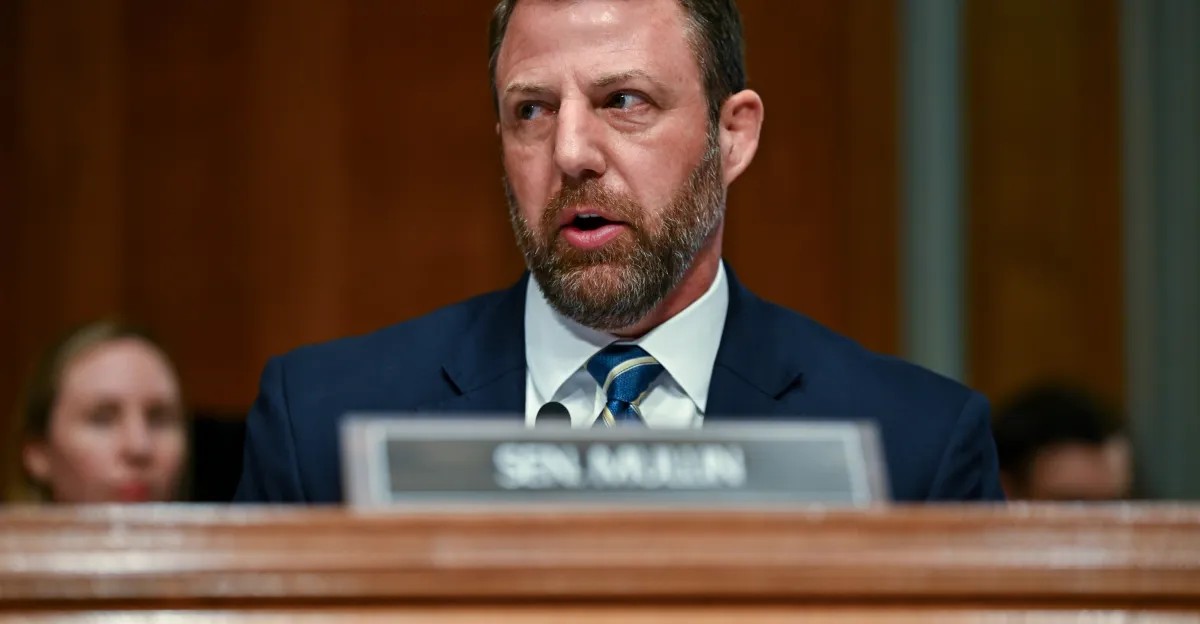
A significant leadership shift is underway at the Department of Homeland Security (DHS), as President Donald Trump has replaced Secretary Kristi Noem with Oklahoma Senator Markwayne Mullin. The move, the first major Cabinet change of Trump’s second term, comes amid growing scrutiny of DHS policies and recent controversies involving federal agents. Mullin, a staunch ally of the President, is expected to accelerate Trump’s aggressive “mass deportation” agenda. His Senate confirmation hearing is scheduled for next week.
From MMA Fighter to Cabinet Pick: Mullin’s Unconventional Rise
Mullin’s background is far from typical for a Cabinet secretary. He transitioned from a professional mixed martial arts (MMA) fighter to a successful businessman, founding one of Oklahoma’s largest plumbing companies with no college degree. His political career began as an “outsider” candidate, capitalizing on the “Not a politician, a businessman” platform.
Trump’s loyalty-focused approach to appointments is the main driver behind this selection. Political reporter Reese Gorman, speaking on the Today, Explained podcast, explained, “Trump really tends to pick people who he likes and also just who would give him loyalty. That tends to be one of the main things that Trump looks for when appointing people to the Cabinet.”
The Personal Connection: How Mullin Gained Trump’s Trust
The relationship between Trump and Mullin solidified during a personal crisis: a near-fatal injury to Mullin’s son during a wrestling match. Trump visited the boy in the hospital and maintained weekly contact, demonstrating a level of personal engagement that reportedly deepened their bond. This loyalty-building dynamic is a hallmark of Trump’s leadership style.
Noem’s Dismissal: A Clash Over Control and Transparency
Noem’s removal stemmed from direct defiance of Trump’s directives and evasive behavior under questioning. She was fired after admitting in a Senate hearing that Trump had approved a $220 million ad campaign that he later claimed he hadn’t signed off on. Her refusal to deny allegations of an affair with her advisor, Corey Lewandowski, further angered the President.
Continuity in Policy, Shift in Loyalty
While Mullin’s appointment likely won’t result in drastic policy changes—the focus on mass deportations will remain—the shift signals a move toward absolute loyalty. As Gorman notes, Noem was “obsessed with the visuals” of the administration’s policies, whereas Mullin is expected to prioritize alignment with Trump’s agenda above all else.
Congressional Concerns: Silence Amidst Reservations
Despite private concerns among some Republican lawmakers about the administration’s increasingly aggressive approach, few are willing to voice dissent publicly, fearing political repercussions. The optics of the situation are unfavorable, yet many members remain reluctant to challenge the President directly.
Ultimately, Mullin’s appointment reflects Trump’s preference for unwavering loyalty over bureaucratic expertise. The DHS under his leadership is poised to double down on its existing mission, with a renewed emphasis on personal allegiance to the President.


