




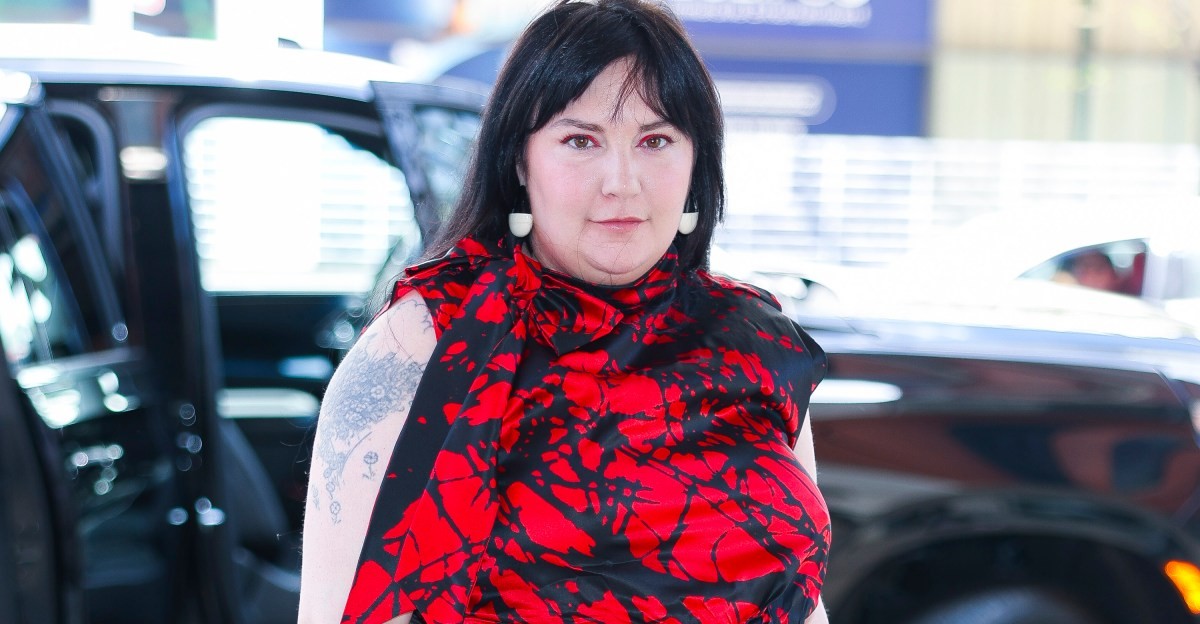
For much of the 2010s, Lena Dunham was less a person and more a lightning rod. As the creator of the HBO series Girls, she became a central figure in a relentless cycle of internet discourse—a target for everything from feminist critiques to vitriolic misogyny.
However, with the release of her new memoir, Famesick, the tone of the conversation is shifting. Instead of new “think pieces” dissecting her flaws, a wave of apologies is emerging from the very critics who once led the charge against her.
From Symbol to Human: The Shift in Discourse
The recent trend of public mea culpas—from outlets like Slate and The Guardian —suggests a collective re-evaluation of Dunham’s place in cultural history. Critics are now arguing that Dunham was treated not as a flawed human being, but as a “totem” to be burned.
This shift is driven by two major factors:
1. The passage of time: With fifteen years of distance, the controversies surrounding Girls are being viewed through a more nuanced lens.
2. New context: Dunham’s memoir provides a harrowing look at her private struggles, revealing that the intense public scrutiny coincided with a period of severe chronic illness (endometriosis and Ehlers-Danlos syndrome) and subsequent opioid addiction.
The Evolution of Outrage: 2000s vs. 2010s
The “redemption cycle” Dunham is currently experiencing mirrors the retrospective shifts seen in the cases of Britney Spears and Paris Hilton. While the 2000s were defined by a misogynistic gossip press, the 2010s introduced a new force: cancel culture.
Understanding the difference between these eras is vital to understanding Dunham’s experience:
- The 2000s (Purity Culture): Driven by tabloids and a focus on celebrity scandal, often masked as “concern trolling.”
- The 2010s (Cancel Culture): Driven by social media dogpiling and the democratization of discourse. While this era helped fuel essential movements like #MeToo and Black Lives Matter, it also created a “content mill” environment. Blogs and social media platforms incentivized rapid-fire, polarizing “hot takes” designed to generate clicks through outrage.
For Dunham, this meant her every word was scrutinized. Her tendency to make provocative, often tone-deaf statements regarding race and class made her an easy target for a digital landscape hungry for conflict.
A Timeline of Controversy
Dunham’s career was marked by a series of high-profile missteps that fueled the fire. These ranged from the “unforced errors” of her public persona to genuine lapses in judgment:
- The “Hyperbolic” Errors: Dunham frequently used extreme comparisons—comparing reading a certain blog to being in an abusive relationship, or discussing the Cosby case in relation to the Holocaust—which drew sharp backlash.
- The Racial Blind Spots: While she defended her choice to cast an all-white lead cast in Girls as a matter of “specificity,” her subsequent creative choices (such as the tokenization of a Black character) often failed to resolve the criticisms of her privilege.
- The Most Damaging Lapse: Her most significant controversy occurred in 2017, when she and co-showrunner Jenni Konner released a statement defending a writer accused of sexual assault by a woman of color. Dunham has since called this moment “the narcissism of fame in its purest form,” attributing it to the physical and mental fog of her own medical crisis.
The Complexity of Accountability
The debate surrounding Dunham raises a difficult question: Where does legitimate accountability end and disproportionate punishment begin?
While some of the hatred directed at Dunham was clearly rooted in misogyny (attacking her body or her nudity), other criticisms regarding her lack of racial awareness were grounded in valid social critiques. However, the intensity of the response—the vitriolic Twitter dogpiles and calls for deplatforming—often seemed to outpace the actual “offense.”
“To a lot of us, she stopped being a person and transformed into a symbol. I can’t think of anything more unfair.” — Dave Schilling, The Guardian
Conclusion
The changing perception of Lena Dunham serves as a case study for the volatility of digital fame. As society moves away from the peak of the “cancel culture” era, we are beginning to distinguish between the necessity of holding the powerful accountable and the cruelty of turning individuals into symbols for public consumption.