


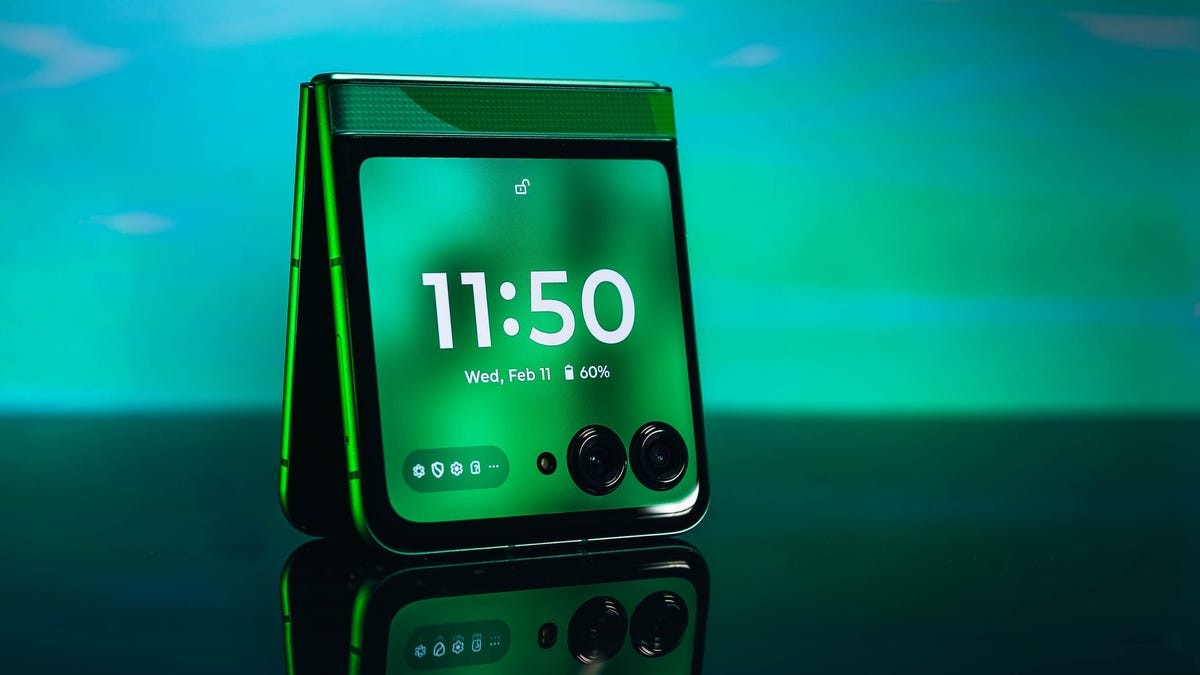
Motorola is currently executing a high-stakes pivot in the smartphone industry. While giants like Samsung and Apple focus their innovation on premium, high-cost flagship devices, Motorola is carving out a massive market share by treating the foldable phone not just as a piece of high-end tech, but as a fashionable, accessible lifestyle accessory.
Recent data from Counterpoint Research confirms this strategy is working: Motorola has seen the highest growth in the foldable segment, now commanding 44% of the market. As we look toward the 2026 Razr, the company finds itself at a critical crossroads of design, pricing, and user experience.
The “Fashion-First” Strategy
Unlike competitors who reserve “headline” features for devices costing upwards of $1,100, Motorola has utilized its $699 Razr to experiment with aesthetics. By leaning into high-concept collaborations—such as the Swarovski crystal-studded editions and the FIFA World Cup two-tone designs—Motorola has transformed the foldable phone from a technical novelty into a style statement.
This approach addresses a key trend in consumer electronics: the desire for personalization. In a market saturated with glass and aluminum slabs, the Razr’s ability to offer unique textures and artistic designs gives it a distinct competitive edge.
Capturing the iPhone Demographic
One of Motorola’s most significant growth drivers is its ability to attract “ex-iPhone” converts. Internal analytics suggest that roughly 25% of new Razr activations come from users migrating from iOS to Android.
To solidify this momentum, Motorola faces two specific challenges:
– Seamless Migration: While modern operating systems (Android 16 and iOS 26) are making eSIM transfers and file sharing (via Quick Share and AirDrop) easier, the actual user experience of switching can still be friction-heavy.
– Feature Parity on the Cover Screen: To win over Apple users, Motorola must ensure that the “small screen” experience is as intuitive and polished as the ecosystem users are accustomed to.
The Pricing Dilemma: Hardware vs. Longevity
As the cost of components rises, Motorola must decide how to handle the 2026 model. The industry is currently split between two paths:
1. The “Incremental” Approach: Keeping the price stable while offering minimal, almost unnoticeable hardware updates (similar to Google’s Pixel “A” series).
2. The “Premium” Approach: Offering significant hardware upgrades (faster processors, more storage) but at a higher price point (a trend seen with Samsung’s Galaxy S26 series).
For the Razr to maintain its market lead, a third option may be more vital: Software Longevity.
Currently, the Razr offers three years of software updates and four years of security updates. In an era where Google provides seven years of support for its Pixel devices, Motorola could differentiate itself not through expensive new chips, but by promising a device that stays relevant and secure for much longer.
Opportunities for Growth
To maintain its momentum heading into 2026, Motorola should consider doubling down on its core strength: material innovation.
The success of the wood-textured Razr Ultra suggests there is a hungry market for tactile, non-traditional phone designs. Expanding this through specialized cases or even more diverse material options could further separate the Razr from the “standard” clamshell foldables offered by other manufacturers.
Conclusion: Motorola has successfully disrupted the foldable market by prioritizing style and affordability over raw technical specs. To sustain this growth, the company must now focus on perfecting the transition for iPhone users and offering long-term software reliability to match its hardware’s aesthetic appeal.