



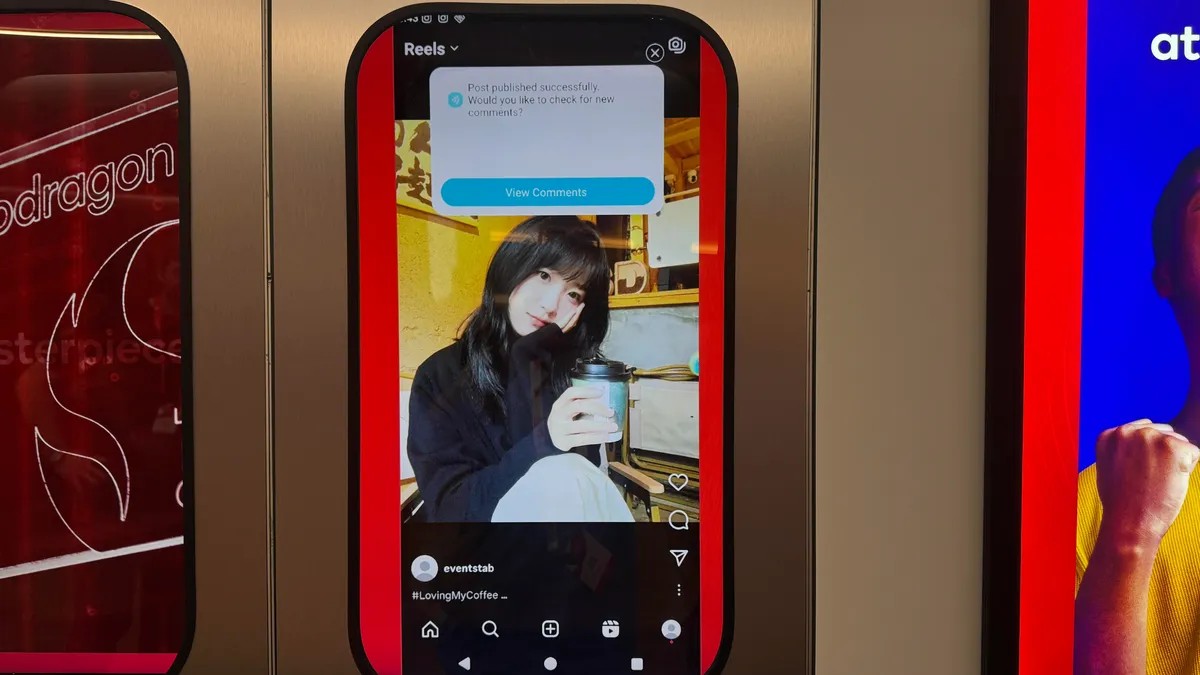
The promise of artificial intelligence (AI) agents is simple: they will automate routine tasks by understanding your preferences and accessing your device’s data. A recent demonstration by Qualcomm at the Snapdragon Summit shows this concept in action, specifically with automated Instagram posting.
How It Works
Using a prototype phone with Qualcomm’s Snapdragon 8 Elite Gen 5 chip, the system was able to upload a photo to Instagram via voice command. The process involved:
- Image Recognition: The device identified beach photos in the phone’s gallery using a large language model (LLM) and a vision model.
- API Access: The agent then used the Instagram API to post the selected image as a Reel, complete with a specified hashtag (“#lovethecolor”).
- Proactive Assistance: The agent even offered to check for new comments, highlighting its proactive nature.
Currently, this type of direct API access isn’t widely available on platforms like Instagram in the U.S. Qualcomm developed the demo with AI company ModelBest, and plans to launch it first in China on the popular social platform Weibo.
Why This Matters
This demonstration raises key questions about the future of human-computer interaction. The ability to automate tasks like social media posting could save time, but also opens up debates about data privacy, user control, and the role of AI in our daily routines.
The real value of this technology may not be in automating existing seamless processes (like Instagram uploads), but in its potential to streamline more complex tasks. The image classification tool used in the demo – being able to describe a photo for posting rather than scrolling through albums – was the most useful feature.
The Verdict: Not Quite Ready for Prime Time
While the technology is impressive, the author found the automated Instagram upload experience unnecessary given how quick and easy the process already is. More flexibility in posting options (Stories, grid posts, editing tools) and nuanced commands would be needed before handing over complete control to an agent.
Despite this, Qualcomm and other tech companies believe AI agents will eventually become the standard way we interact with technology. The long-term implications remain unclear, but the development suggests a shift toward more proactive and automated digital experiences.