


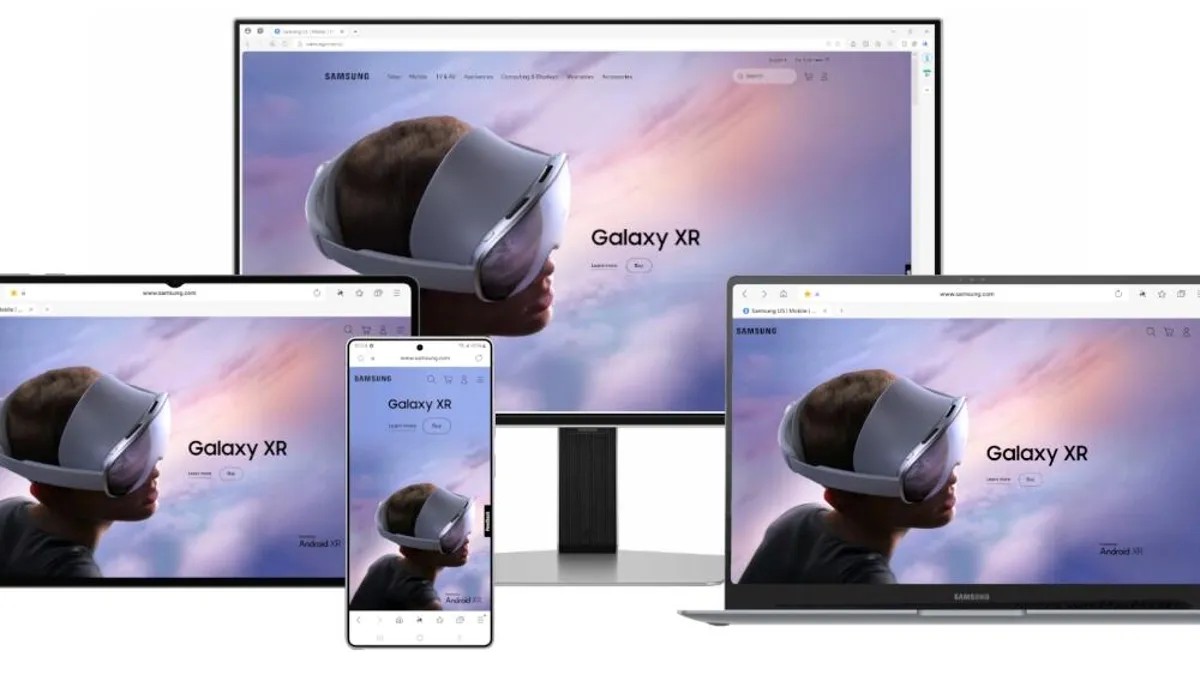
Samsung is extending its mobile browser, Samsung Internet, to Windows PCs through a new beta program. This move represents a push for cross-device consistency and leverages the company’s existing strengths in both mobile technology and PC manufacturing.
Bridging the Gap Between Mobile and Desktop
For years, Samsung has provided its own web browser for Galaxy smartphones and tablets. Now, with the launch of Samsung Internet for PC, users can enjoy a unified browsing experience across all their devices. Key features include seamless syncing of bookmarks, passwords, and browsing data, allowing users to switch between their phone, tablet, and PC without interruption.
This expansion makes sense despite Samsung Internet holding only a small fraction (under 4%, per StatCounter data) of the overall browser market. The move aligns with the broader industry trend toward multi-device ecosystems, where users expect their data and settings to follow them across all platforms.
Enhanced Privacy and AI-Powered Tools
Samsung is emphasizing the security features of its PC browser, including built-in anti-tracking technology designed to block third-party trackers and protect user data. A Privacy Dashboard provides users with real-time control over their security settings.
The beta also introduces Galaxy AI features, such as Browsing Assist. This tool allows users to translate and summarize webpages instantly, streamlining information gathering and making online content more accessible.
Beta Availability and Future Expansion
Currently, the Samsung Internet for PC beta is available to Windows 10 and 11 users in the US and Korea. Samsung plans to expand access to additional regions in the coming months.
“This is just the beginning,” Samsung stated. The company envisions the browser as an evolving platform that adapts to both user needs and the broader ecosystem of Samsung devices.
This launch positions Samsung to compete more directly with established browser giants like Chrome, Firefox, and Edge by offering a tightly integrated experience for its existing customer base. The success of this initiative hinges on attracting users to its ecosystem and delivering on the promise of a secure, feature-rich, and unified browsing experience.