




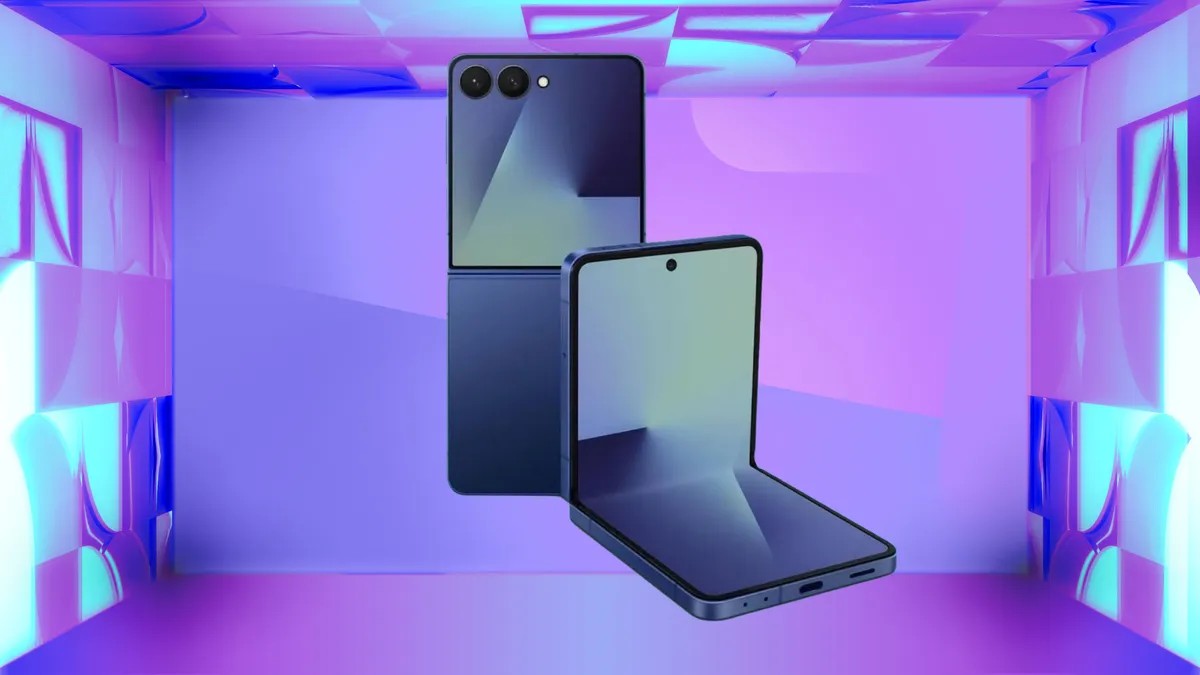
Samsung is beginning to pass rising manufacturing costs onto its customers. Recent price adjustments across several popular product lines—including foldable smartphones and high-end tablets—signal a shift in how the tech giant is managing increasing expenses in the global supply chain.
Notable Price Increases
Recent price comparisons conducted by CNET reveal significant jumps in the suggested retail prices (SRP) for several flagship devices. While some retailers like Best Buy are still selling inventory at older, lower prices, Samsung’s official store reflects a new, higher baseline:
- Galaxy Z Flip 7: The retail price has increased by $80.
- Galaxy Z Fold 7: High-capacity models have seen a $80 hike, with the 1TB model now priced at $2,500 and the 512GB model at $2,200.
- Galaxy Tab S11 Ultra: The most dramatic increase is seen in the tablet segment, where the 1TB model has risen by $280.
While Samsung is currently offering discounts on some of these models, these promotions appear to be temporary measures; the underlying retail prices confirm that the cost of ownership is trending upward.
The Drivers Behind the Hikes: AI and Supply Chains
This is not an isolated move by Samsung. The company is facing a “perfect storm” of economic and technological pressures that are affecting the entire consumer electronics industry:
- The Generative AI Boom: The rapid rise of generative AI requires significantly more computing power. This has triggered a global shortage of high-performance memory components, driving up the cost of the very parts needed to run advanced AI features on mobile devices.
- Supply Chain and Tariff Pressures: Ongoing constraints in the global supply chain and the impact of international tariffs have made raw components more expensive to source and move.
- The End of “Absorbing Costs”: For much of the recent economic volatility, many tech manufacturers chose to absorb these rising costs to keep consumer prices stable. However, analysts suggest that this strategy is becoming unsustainable.
What This Means for the Market
The trend toward more expensive hardware raises a critical question for the industry: Will consumers keep buying?
As flagship devices become more expensive, experts predict a potential decline in overall smartphone sales. If the cost of high-end technology continues to climb, many consumers may choose to hold onto their current devices longer or opt for mid-range alternatives, potentially slowing the replacement cycle that drives much of the industry’s growth.
While Samsung’s latest flagship series, the Galaxy S26 and S26 Ultra, have not yet seen price increases, the current trajectory suggests they may not be immune to future adjustments.
As the industry moves into 2026, the era of manufacturers absorbing supply chain shocks appears to be ending, with the financial burden increasingly shifting toward the end user.
Conclusion
Samsung’s price hikes reflect a broader industry struggle to balance the high costs of AI-ready hardware with consumer affordability. As component shortages and tariffs persist, shoppers should expect higher entry prices for premium mobile technology.