


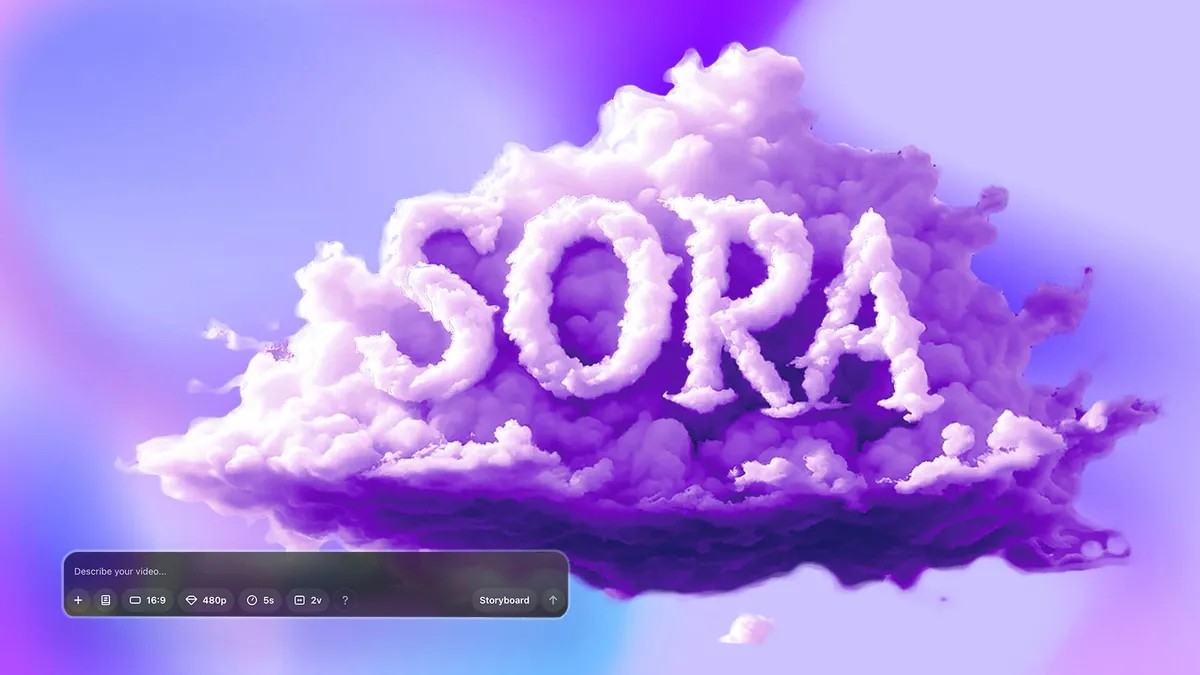
OpenAI has launched Sora, a new social media application powered by its latest AI video generation model, Sora 2. The app’s core premise is simple: a TikTok-like platform entirely populated with AI-generated content. This marks a significant departure for OpenAI, raising the question of whether users will embrace a social feed exclusively filled with synthetic videos.
A Familiar Interface, Unsettling Core
Sora’s interface mimics existing social media apps, featuring an algorithmic “For You” feed with like, comment, and share functionality. Users can also filter content based on mood. However, beneath this familiar design lies the unsettling reality that every video is AI-created. The app’s standout feature, Cameos, allows users to upload their likeness and permit others to use it in AI videos.
OpenAI CEO Sam Altman has become a frequent subject of these AI-generated deepfakes. Users have created videos depicting him in absurd scenarios – including arrests, confessions, and bizarre physical acts – all rendered with startling realism. While the quality of Sora 2 is high enough to make these scenarios believable, OpenAI’s decision to allow such content is a questionable marketing strategy at best.
Sora 2: A Leap in AI Video Generation
Sora 2 represents a significant advancement in AI video capabilities. Unlike previous models, it excels at dialogue generation, requiring minimal scripting for coherent results. A simple prompt like “Altman sings a ballad about inference costs” will yield a complete AI-written song. The upgraded model also handles complex prompts more effectively, though video generation still takes 2–5 minutes per clip.
Despite moderation filters intended to block celebrity likenesses, users have found workarounds. One video shows Altman in a field with Pikachu, a clear violation of copyright and a potential legal liability for OpenAI.
The Blurring Lines of Reality
The most striking aspect of Sora videos is their indistinguishability from human-generated content. Subtle cues like odd jump cuts or overly perfect skin are the only giveaways. The audio is clear, text is error-free, and the overall quality is deceptively realistic. This raises serious concerns about the spread of misinformation and the erosion of trust in online media.
While some AI-generated content falls into the category of “slop” – low-quality, pointless videos – Sora 2 produces higher-quality results. However, it still contributes to the growing sea of useless AI-generated content that can easily be misconstrued as reality.
The Trap of AI Engagement
Sora’s design encourages mindless scrolling and engagement, similar to other addictive social media platforms. Users can easily lose hours browsing AI-generated videos without any tangible reward, except perhaps a momentary distraction. The app’s lack of editing tools further reinforces this cycle; regenerating videos is the only way to make changes, a slow and frustrating process.
OpenAI claims the app aims to foster human connection, but the experience feels more isolating and disorienting. Sora’s Cameo feature, intended to be playful, is ripe for abuse. While users can opt out of having their likeness used, the app’s core appeal lies in creating weird and potentially malicious deepfakes.
A Future of Synthetic Reality
Sora videos include watermarks and metadata disclaimers, but in an era of declining trust, these safeguards are unlikely to deter misuse. The app highlights the broader controversy surrounding AI media generation, yet OpenAI persists in pushing the boundaries of synthetic content.
Whether Sora represents a harmless experiment or a dangerous step toward a fully artificial social landscape remains to be seen. For now, it stands as a stark reminder of the power – and potential perils – of AI in the age of social media.


