




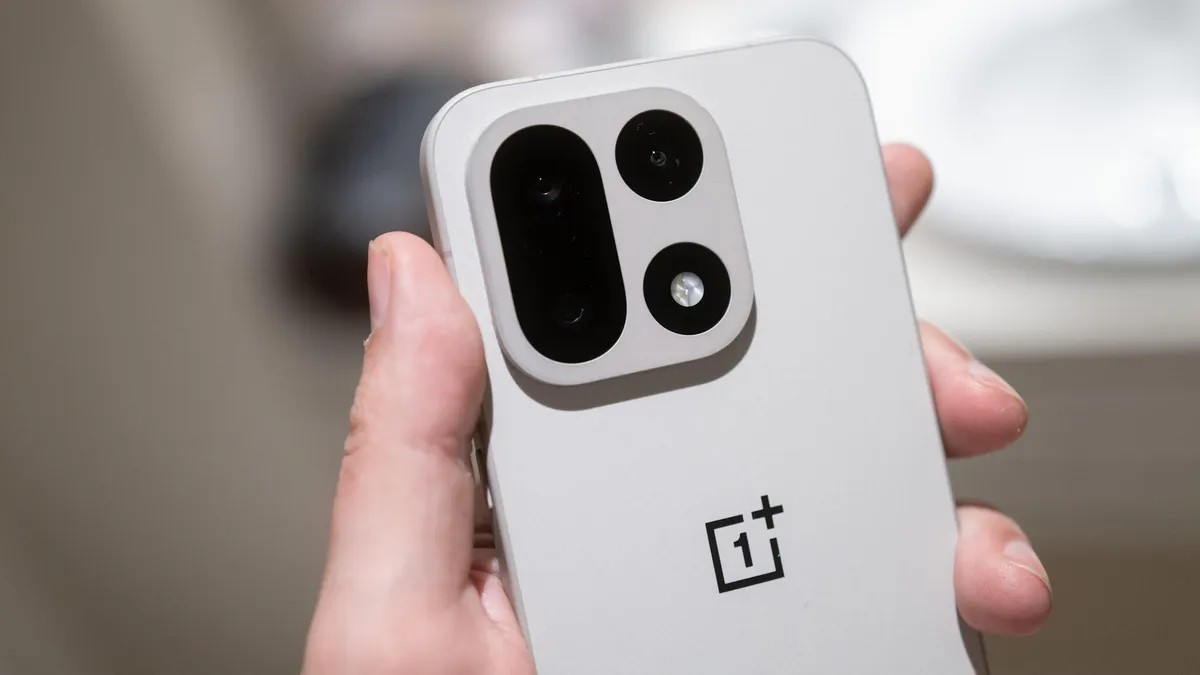
The smartphone market is a battlefield of incremental upgrades, but the OnePlus 15 stands out with a headline feature: a massive 7,300-mAh battery. This capacity dwarfs most competitors, including the iPhone 17 Pro Max, addressing a critical pain point for many users – battery anxiety. But beyond the impressive battery life, the OnePlus 15 presents a mixed bag of improvements, design choices, and software commitments that require careful consideration.
Battery Life and Performance: A Clear Win
The OnePlus 15’s battery is its strongest asset. In testing, it consistently outperformed rivals, delivering over a day and a half of heavy use, even with demanding gaming and high display settings. While extreme battery drain tests pushed it past expectations (over 45 minutes of gaming at 1% charge), real-world performance proves the phone’s longevity.
Complementing this is the Snapdragon 8 Elite Gen 5 processor, making the OnePlus 15 one of the fastest Android phones available. Benchmarks confirm its superiority over older flagships, with Geekbench 6 and 3DMark Wild Life Extreme scores rivaling the latest iPhones. In practice, this translates to smooth multitasking, responsive gaming, and minimal slowdown. Despite occasional overheating under extreme stress tests, it performed reliably in everyday use.
Design and Display: A Divisive Aesthetic
OnePlus has abandoned its sleek, curved design language in favor of a boxier, more angular aesthetic reminiscent of older tech. The flat sides and matte finish provide grip, though some may find the design less ergonomic. The camera module has also been redesigned into a rounded square, which may be polarizing.
The 6.78-inch display offers a crisp 2,722 x 1,272 resolution and a 165Hz refresh rate. While brightness reaches 1,800 nits, it falls short of the iPhone 17 Pro’s 3,000-nit peak. Still, the display remains vibrant and responsive for gaming and media consumption.
Camera Performance: Competent, But Not Revolutionary
The OnePlus 15 features a 50-megapixel triple-camera setup (wide, ultrawide, 3.5x telephoto). Without Hasselblad’s software tuning, the camera relies on OnePlus’s proprietary processing, which can result in over-saturated images with heavy HDR. While results are generally decent, color inconsistencies between lenses and aggressive post-processing remain drawbacks.
The camera excels in well-lit conditions, capturing vibrant and detailed shots. Zoom capabilities are impressive, maintaining sharpness at 3.5x magnification. However, the phone’s tendency to over-process images may not appeal to photographers seeking a natural look.
Software and Updates: A Short-Term Commitment
The OnePlus 15 runs Android 16 with OxygenOS 16, a relatively lightweight skin with minimal bloatware. However, OnePlus has committed to only four years of software updates and six years of security patches. This is significantly less than Samsung, Google, or Apple, which offer seven or more years of support. This shorter lifespan may deter buyers seeking long-term value.
Pricing and Availability
The OnePlus 15 starts at $900 for 12GB RAM and 256GB storage, reaching $1,000 for 16GB RAM and 512GB storage. This is slightly higher than the Samsung Galaxy S25 and Google Pixel 10. The phone was initially available in Canada on Nov. 13, with US preorders beginning Dec. 4 after FCC certification. Trade-in offers are available on OnePlus’s website.
Conclusion:
The OnePlus 15 delivers where it matters most: battery life and performance. Its massive battery and powerful processor make it a compelling option for power users. However, its divisive design, camera inconsistencies, and limited software support raise concerns. If longevity and a natural camera experience are priorities, alternatives from Samsung, Google, or Apple may be more suitable. But for those who crave extended battery life and raw power, the OnePlus 15 is a worthy contender.