

Nvidia unveiled a suite of new AI models and developer tools Monday, designed to accelerate research into autonomous vehicles and physical AI systems. The core of the announcement is Alpamayo-R1, an open-source vision language model specifically engineered for self-driving car development. This marks a significant step forward in equipping vehicles with the ability to comprehend their surroundings and make human-like driving decisions.
The Rise of “Physical AI”
The push into autonomous driving is part of Nvidia’s broader strategy to dominate the emerging field of “physical AI.” As Nvidia CEO Jensen Huang has stated, the next major wave of AI will move beyond software and into the physical world – encompassing robots, autonomous systems, and vehicles that interact with reality. This is why Nvidia is investing heavily in the foundational technology for these systems, including the GPUs and AI models that power them.
Alpamayo-R1: Vision and Reasoning Combined
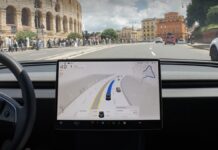
Alpamayo-R1 is unique because it’s the first vision language action model tailored for autonomous driving. Unlike basic image recognition, this model can process both text and visual input simultaneously. This means a vehicle using Alpamayo-R1 can “see” a stop sign, read the text on a street sign, and interpret the combined information to make appropriate decisions.
The model builds upon Nvidia’s existing Cosmos-Reason architecture, a reasoning AI first released in January 2025. Cosmos allows AI systems to think through decisions before acting, mimicking human-like problem solving. This capability is critical for achieving Level 4 autonomy, where vehicles can operate independently within defined environments.
Developer Support: The Cosmos Cookbook
To help developers integrate these AI tools into their projects, Nvidia has released the Cosmos Cookbook on GitHub. This resource provides step-by-step guides, inference tools, and post-training workflows for data curation, synthetic data generation, and model evaluation. Nvidia wants to make these tools as accessible as possible.
Why This Matters
The development of advanced AI for autonomous driving isn’t just about convenience; it’s about safety and scalability. Current self-driving systems struggle with edge cases and unpredictable scenarios. A reasoning model like Alpamayo-R1 could help vehicles navigate complex situations more reliably, bringing true Level 4 autonomy closer to reality.
The open-source nature of these tools is also important, as it fosters collaboration and rapid innovation within the autonomous driving community. Nvidia’s move signals a commitment to shaping the future of AI-powered mobility.
Nvidia’s aggressive push into physical AI underscores its long-term vision: to be the foundational technology provider for the next generation of intelligent systems. The company’s leadership, including chief scientist Bill Dally, believes robotics and AI-powered automation will become a dominant force in the coming years, and Nvidia intends to be at the heart of that transformation.