

Audio glasses have long promised a seamless blend of technology and eyewear, but widespread adoption has been slow. Nuance Audio’s latest offering, however, stands out: these aren’t just another pair of Bluetooth frames; they are fully-functional hearing aids built directly into stylish glasses. While the $1,200 price tag is high (currently discounted to $840), the performance surpasses expectations, making them a serious contender for those with mild hearing loss.
The Core Concept: Hearing Augmentation, Not Just Audio
Unlike existing audio glasses like Amazon’s Echo Frames or Meta’s Ray-Bans, the Nuance Audio glasses don’t focus on streaming music or capturing video. Instead, they deliver discreet and effective hearing amplification, bypassing the stigma of traditional hearing aids. This is a key differentiator: these glasses are designed for those who want better hearing without the obvious appearance of a medical device.
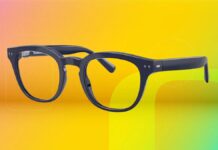
This approach is backed by EssilorLuxottica, the eyewear giant behind Ray-Ban, Oakley, and licensed brands like Chanel and Prada, ensuring quality frames and retail access (Pearle Vision, LensCrafters). The glasses come in two frame designs and multiple color options, including non-prescription transition lenses for convenience.
FDA Clearance and Mild Hearing Loss
These glasses received FDA clearance in early 2025 after EssilorLuxottica acquired Pulse Audition, a firm specializing in AI-enhanced hearing solutions. They’re designed for mild to moderate hearing loss, offering a viable alternative to expensive, professionally-fitted medical-grade hearing aids.
The reviewer notes that while these glasses won’t replace severe hearing impairments, they provide significant benefits for those with more subtle deficiencies. For individuals with significant hearing loss, a professional audiologist and customized hearing aid remains the best option.
Performance and Real-World Use
Testing revealed that the Nuance Audio glasses perform surprisingly well. Despite initial skepticism about the effectiveness of open-ear amplification, the reviewer found that the directional microphones and adjustable settings delivered noticeable improvements in noisy environments.
The glasses feature six directional microphones and four preset audio profiles (“A,” “B,” “C,” “D”), plus “frontal” and “all-around” modes for optimized listening in different situations. The companion app allows volume control, background noise reduction, and personal calibration to minimize feedback (“whistles”).
In practice, the reviewer found the glasses particularly useful for conversations in restaurants, amplifying distant voices, and even eavesdropping (accidentally) on a coach’s speech from 60 feet away. The glasses’ discreet nature is a major advantage, allowing wearers to avoid social awkwardness associated with visible hearing aids.
The Tradeoffs: Price, Battery Life, and Limitations
The biggest barrier is the high cost : $1,200 full price, or $840 on sale. While vision insurance or FSA/HSA accounts can offset some expenses, the price remains a significant deterrent. Battery life is rated at around 8 hours, though selective use of the hearing-aid feature helps conserve power.
The glasses lack Bluetooth streaming or call functionality, focusing solely on hearing augmentation. This specialization, while effective, limits their versatility compared to broader smart glass offerings like the Ray-Ban Meta Gen 2.
Conclusion
The Nuance Audio hearing glasses deliver on their promise: effective, discreet hearing amplification in a stylish package. Despite the high price and limited feature set, they represent a significant step forward in accessible hearing technology. If you have mild hearing loss and value discretion over all-in-one functionality, these glasses are worth considering. However, for those seeking broader smart glass capabilities, alternatives like the Ray-Ban Meta Gen 2 may be a better fit.