




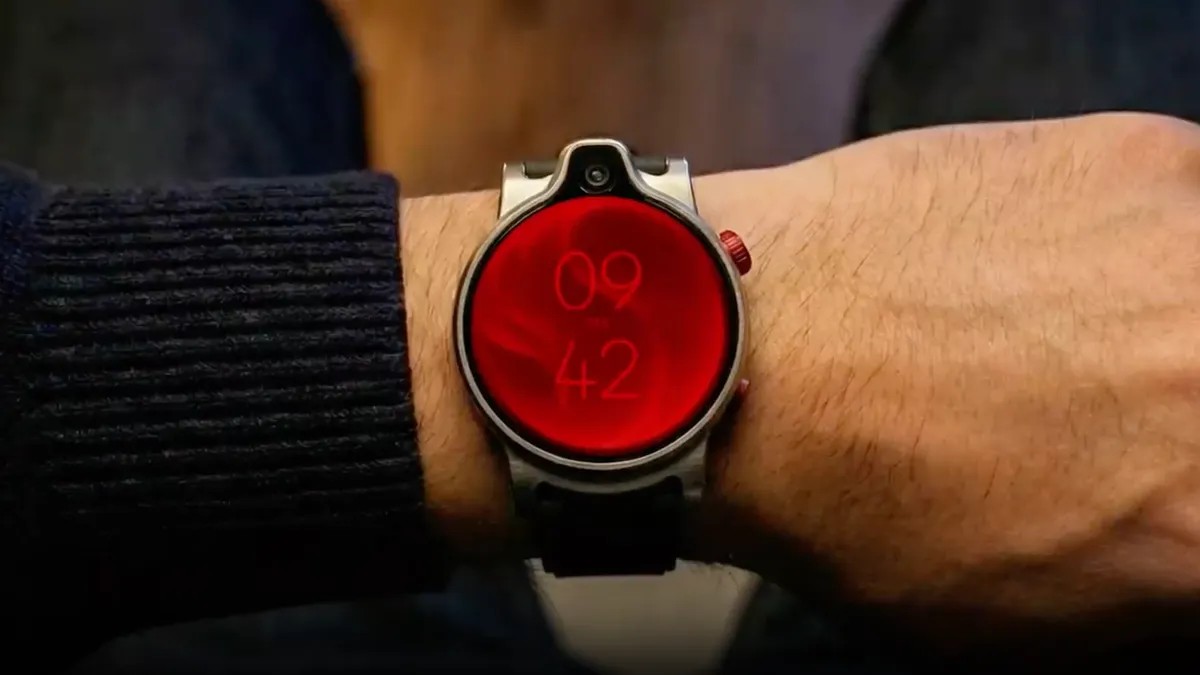
Qualcomm just unveiled its latest chip, the Snapdragon Wear Elite, signaling a major shift in wearable technology. This isn’t just an incremental upgrade; it’s a foundation for a new generation of AI-powered devices, including watches, glasses, and even pendants equipped with cameras and advanced processing capabilities. The key takeaway is that AI is moving from the cloud to the device itself, meaning more features will work offline, with seamless integration between hardware and AI services.
The Rise of AI-Infused Wearables
The chip’s release comes amid confirmed plans from Meta, Google, and Apple to expand their wearable portfolios. Qualcomm’s chips already dominate the non-Apple smartwatch and VR/AR market, making this announcement a preview of what’s coming: a halo of connected tech with cameras streaming data to AI services. Samsung, Google, and Motorola are already designing hardware around this new platform.
Bridging the Gap Between Devices
Previously, Qualcomm maintained separate chip lines for watches and glasses/VR headsets. The Snapdragon Wear Elite aims to unify these categories. It delivers higher processing power, supports video input and streaming (up to 1080p), and integrates diverse wireless connections, making it suitable for both watches and AI-infused smart glasses. This versatility is crucial because the industry isn’t yet certain where consumers will prefer to wear these AI gadgets—wrist, face, or elsewhere.
On-Device AI: A New Level of Power
A significant leap forward is the chip’s ability to handle more generative AI and large language models (LLMs) on the device itself. Qualcomm claims the neural processing unit can support AI models of up to 2 billion parameters, processing 10 tokens per second. This means more voice-based AI, fitness tracking, and even “life logging” could run locally, reducing reliance on cloud connections and improving responsiveness.
The company also emphasizes the influx of advanced sensors—including cameras—into the wearable space. These sensors, combined with the chip’s processing power, open doors to medical-grade data collection and AI-driven applications.
Cameras Everywhere: A Growing Trend
Qualcomm’s promotional materials showcase a watch with a built-in camera, hinting at a potential shift away from camera-less smartwatches. While not ideal for casual photography, these cameras will likely serve as additional input for AI: face recognition for payments, smart key functionality for cars, or other AI-based controls.
Neck-worn pendants with outward-facing cameras are also emerging, offering an alternative to smart glasses. These devices tap into the broader trend of multimodal AI, where services need visual input to understand user context.
Enhanced Battery Life and Wireless Connectivity
The Snapdragon Wear Elite also promises a 30% improvement in battery life compared to previous Qualcomm chips—potentially translating to “days” of use. Faster charging (up to 50% in 10 minutes) is another key benefit, catering to devices designed for continuous wear.
The chip boasts six wireless protocols, including Redcap 5G, Bluetooth 6.0, UWB, GPS, satellite connectivity, and micropower Wi-Fi. This expanded connectivity allows for longer Wi-Fi connections in the background and improved streaming capabilities.
The Future of Wearables: A Diversified Landscape
Qualcomm expects to see this chip in a wide range of wearables: smartwatches, glasses, headphones, pendants, and sensor-connected bands. Meta’s neural band (EMG-based gesture control) is one example of a device that could benefit from this upgrade.
Ultimately, the industry remains uncertain about the ideal form factor for AI wearables. Companies are experimenting with different options, and consumer preference will likely determine the dominant designs. However, one thing is clear: wearables are rapidly evolving into more powerful, connected extensions of our phones, with AI at the core.