



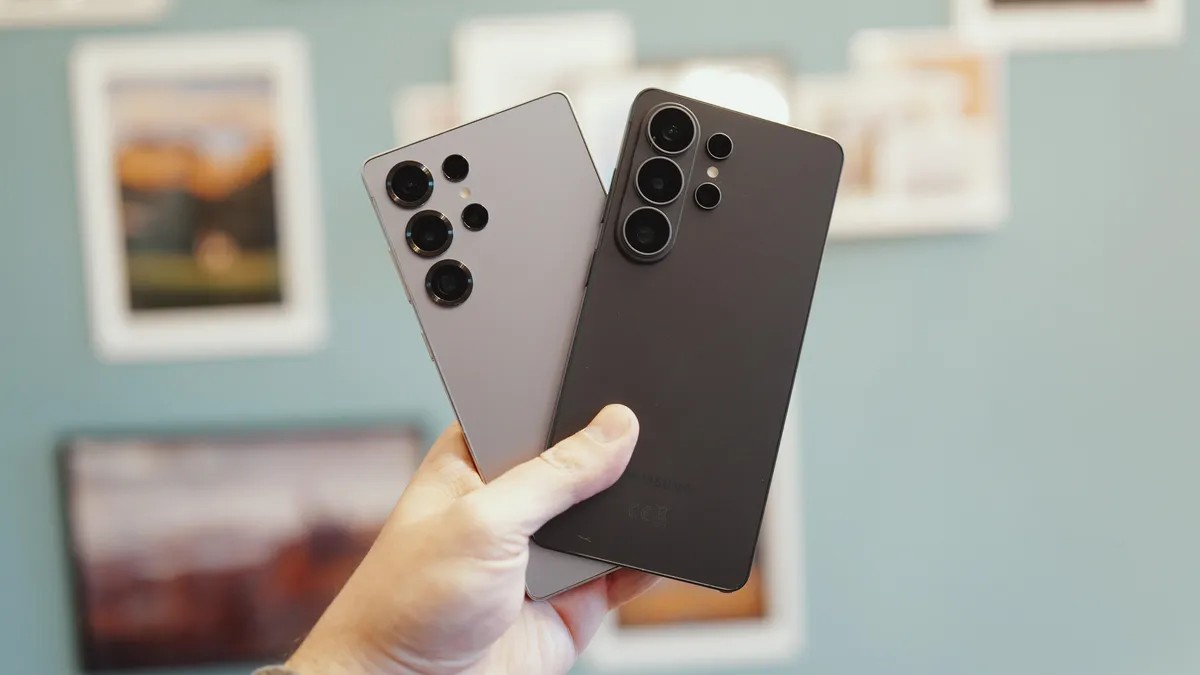
The Samsung Galaxy S26 Ultra boasts impressive specs, but its $1,300 price tag makes it a questionable value. For the majority of users, last year’s Galaxy S25 Ultra – available used for around $720 – offers nearly identical performance at a fraction of the cost. The differences between generations are incremental at best, making the latest model a poor return on investment for most.
The Illusion of Upgrades
Modern smartphone upgrades are increasingly iterative. While the S26 Ultra offers minor improvements in processor speed and battery life, these gains are imperceptible in everyday use. Both phones feature similar displays, cameras, and software support. Samsung’s marketing pushes the latest model, but the real value lies in recognizing that last year’s flagship is still a powerhouse.
The S25 Ultra boasts a titanium frame, while the S26 Ultra uses aluminum. The weight difference is negligible (a mere 4 grams). The S26 Ultra’s “Privacy Display” is a niche feature unlikely to justify the steep price increase for most consumers. The reality is that the S25 Ultra delivers 95% of the experience for nearly half the price.
Performance: Numbers vs. Reality
On paper, the S26 Ultra’s Snapdragon 8 Elite Gen 5 chip edges out the S25 Ultra’s Snapdragon 8 Elite. Benchmark tests show a roughly 10% performance increase, but this translates to minimal real-world difference. Both phones handle demanding tasks such as gaming and photo editing with ease.
Camera performance is also nearly identical. While the S26 Ultra has a slightly wider aperture, the practical impact on image quality is negligible. Both phones capture excellent photos with wide dynamic range and impressive zoom capabilities. Samsung’s AI-powered features will likely roll out to older models, further diminishing the advantage of the S26 Ultra.
Software and Support: Longevity Matters
Both phones run Android 16 with Samsung’s One UI 8, offering identical software features. Samsung guarantees seven years of security updates for both models, ensuring the S25 Ultra remains secure until at least 2032. The S26 Ultra will last until 2033, but the extra year of support isn’t worth the price premium.
Battery life is marginally better on the S26 Ultra, but the difference is minimal. Streaming YouTube for three hours drains both phones by a comparable amount. A used S25 Ultra may have slightly degraded battery health, but this is unlikely to be significant after just one year of use.
The Even Smarter Choice: The Galaxy S24 Ultra
If you want to save even more money, consider the Galaxy S24 Ultra, available on the used market for around $536. The camera is comparable, the processor still performs well, and it remains secure until 2031. Samsung’s incremental updates mean that older models retain substantial value long after newer versions are released.
The phone industry relies on convincing consumers that the latest model is essential. But for most people, last year’s flagship provides more than enough power and features at a significantly lower cost. The true upgrade lies in recognizing this simple truth.
Conclusion: The Samsung Galaxy S26 Ultra is overpriced for what it offers. The S25 Ultra – or even the S24 Ultra – provides a superior value proposition, delivering flagship performance without the exorbitant price tag. Don’t fall for the marketing hype; smart buyers skip the latest generation and save hundreds of dollars.