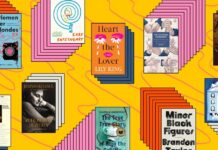



2025 proved a strong year for literature, offering both rediscovered classics and bold new voices. From sweeping novels that evoke laughter and tears to philosophical works sparking deep reflection, the past year delivered stories that resonated deeply. This selection highlights the most compelling books of the year, spanning diverse styles and themes, all offering unique experiences for readers.
Rediscovering the Past, Embracing the Future
The year’s literary landscape blended nostalgia with innovation. Reissues of forgotten classics alongside experimental works using AI and analog techniques created a vibrant mix. Books explored love across decades, futuristic narratives, and deeply personal stories that left a lasting impression.
Standout Titles: A Deep Dive
The True True Story of Raja the Gullible by Alameddine: This National Book Award winner is a charming and poignant tale of Raja, a 63-year-old gay English teacher in Beirut. The novel expertly weaves personal anecdotes with the tumultuous history of Beirut, including the civil war, economic collapse, and the port explosion. Alameddine’s prose is warm, witty, and unflinchingly honest, making this book a truly unforgettable read.
Disinheritance: The Rediscovered Stories by Ruth Prawer Jhabvala: Jhabvala’s collection feels like unearthing a forgotten gem. Her stories, often set in India, dissect societal structures and human relationships with satirical precision. Jhabvala’s work holds a timeless relevance, her prose capturing the complexities of human nature with biting honesty.
Heart the Lover by Lily King: This immersive novel explores the intensity of first love and the regret of lost connections. The dual timeline, shifting between a passionate youth and decades later in a hospital room, creates a captivating and emotionally raw experience. King’s grounded and specific details make this story feel deeply real.
Gentlemen Prefer Blondes by Anita Loos: This satirical classic remains delightfully relevant. Lorelei Lee’s diary, filled with wit and charm, subverts expectations by revealing her sharp intelligence and control. Loos’s writing is a frothy, champagne-fueled delight.
What We Can Know by Ian McEwan: Set in a flooded 2120, McEwan’s novel explores nostalgia for the early 21st century and the dangers of unchecked technological surveillance. The twist ending adds a layer of thrilling horror, making this a standout work in his catalog.
Do Admit! by Mimi Pond: Pond’s graphic biography of the Mitford sisters is playful and insightful. The stylized illustrations capture the eccentric personalities of the aristocratic sisters who lived through England’s interwar period. The book offers a human-scale perspective on the 20th century’s political and social upheavals.
The Wild Boy by Roger Shattuck: This slim volume explores the story of a boy who lived alone in the wilderness for years. The narrative raises fundamental questions about human nature and the role of social interaction. Shattuck’s work is tender and thought-provoking, reminding us of the essential need for connection.
Vera, or Faith by Gary Shteyngart: Shteyngart’s dystopian novel offers a chillingly prescient vision of a post-democracy America. The story follows 10-year-old Vera as she navigates a world where surveillance and control are normalized. The novel’s restraint makes its political commentary all the more potent.
Why These Books Matter
These titles weren’t just good reads; they were cultural reflections. The True True Story of Raja the Gullible confronts global trauma through a uniquely personal lens. Disinheritance reminds us of forgotten voices in literature, while Heart the Lover taps into the timeless ache of lost love. Each book provides a window into the human condition, whether through satire, historical exploration, or dystopian warnings.
In a year marked by global unrest and technological advancement, these books captured the zeitgeist with precision and depth. Their enduring impact lies in their ability to provoke thought, evoke emotion, and ultimately, make us feel more connected to the world around us.