

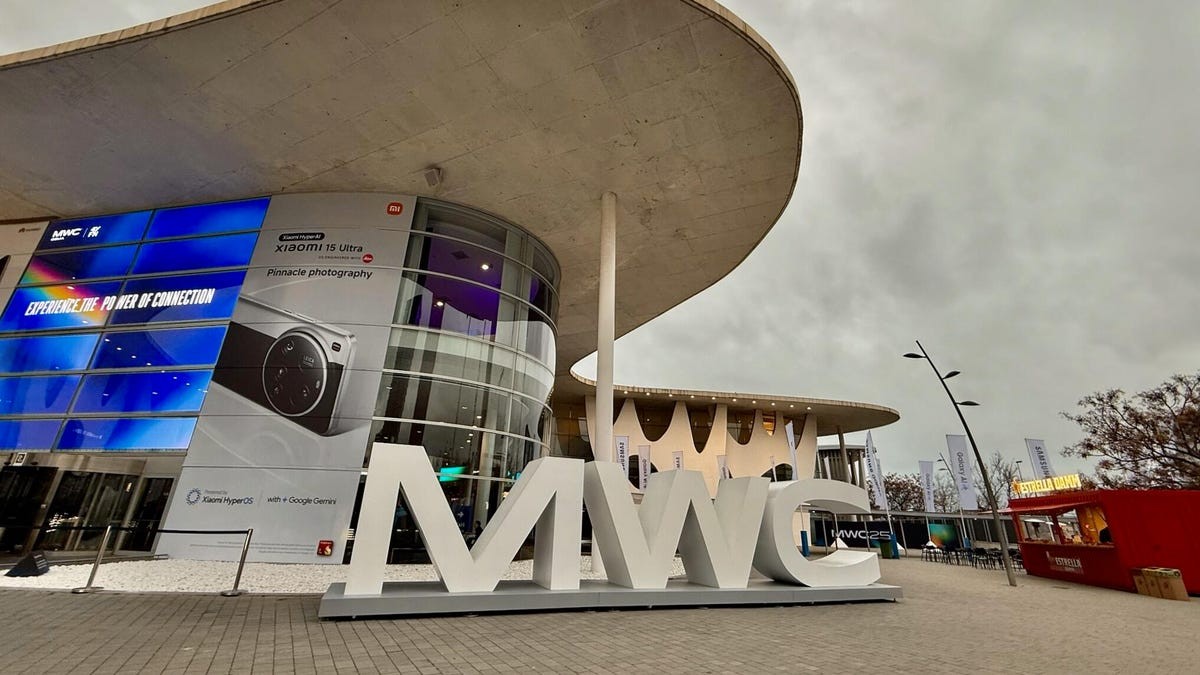
Mobile World Congress (MWC) in Barcelona is the largest annual gathering in the telecommunications industry, drawing over 100,000 attendees. While it may not dominate headlines in the US like Apple or Samsung events, MWC is where the core innovations shaping mobile technology—and by extension, modern life—first emerge. The event kicks off this week, and its impact stretches far beyond the telecom world.
Why MWC Matters: From 5G to the Future of Connectivity
For most people, smartphones are an everyday necessity. MWC is where the technologies powering these devices are showcased, tested, and refined. Over the past two decades, many features now standard in smartphones first debuted at MWC, often years before reaching consumers. The industry’s relentless push for faster data speeds is a prime example: 5G, now widely available, was first demonstrated in early concept form at MWC in 2015.
This year, the focus is shifting towards 6G, which promises even faster speeds and a more immersive “always-sensing network.” The goal isn’t just faster downloads; it’s a future where devices are constantly connected and aware of their surroundings.
A History of Innovation: Key Products That Shaped Mobile Tech
MWC has been a launchpad for some of the most important mobile devices and technologies. Here are just a few examples:
- 2008: HTC Dream (T-Mobile G1) – The first commercial Android phone. Google’s strategy was clear: dominate the mobile OS market, not the hardware.
- 2011: Samsung Galaxy S II – A sleek, premium device that marked Samsung’s ascent as a major smartphone player.
- 2011: Sony Ericsson Xperia X1 – A futuristic device with a sliding QWERTY keyboard running Windows Mobile. Despite its innovation, it failed to gain traction due to pricing and carrier support.
- 2010: Windows Phone 7 Series – Microsoft’s attempt to rival iOS and Android, which ultimately fell short despite a major interface revamp.
- 2012: HTC One X – A powerful smartphone with a quad-core processor, showcasing HTC’s dominance before its decline.
- 2014: Oral-B SmartSeries Toothbrush – A reminder that mobile tech isn’t limited to phones, with Bluetooth connectivity for data tracking.
- 2016: HTC Vive VR – An early immersive virtual reality headset that required significant hardware and setup.
Notably, the iPhone wasn’t introduced at MWC. Instead, Apple debuted it at Macworld Expo in 2007. However, the iPhone’s subsequent dominance quickly reshaped the industry, with touchscreen phones becoming the standard at MWC in the following years.
Beyond Phones: The Evolution of MWC
MWC has evolved from a phone-centric event to a showcase for broader mobile technologies. This includes innovations in virtual reality, wearables, and connected devices. The trend suggests that the future of MWC will focus on AI-powered applications and seamless integration between devices.
Mobile World Congress is no longer just about phones. It is about the entire mobile ecosystem and the technologies that will shape how we live, work, and interact with the world.
The event remains critical for industry players and consumers alike, as it provides a glimpse into the technologies that will define the next generation of mobile experiences.