

The future talks back.
Too much so.
Look at Google’s I/O. Apple’s WWDC. Same story. Every new feature screams “talk to me.” They showed presenters chatting casually with Siri on stage like they were catching up with a buddy at a bar. It felt natural. Polished. Intended.
That’s the trap.
Big tech wants a voice-first world.
They assume we all want to think out loud.
Most of us don’t.
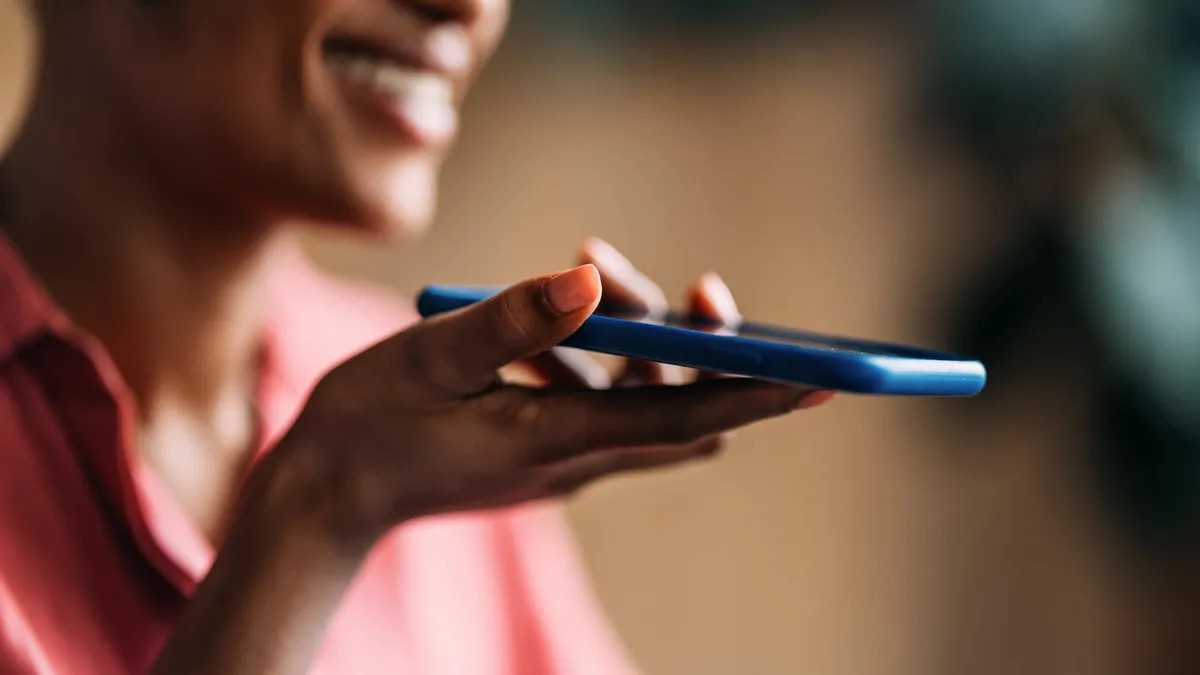
Large language models have gotten chatty. Really chatty. We moved from typing commands to answering loquacious assistants who try hard to be our best friends.
Google bragged about Gemini parsing fragmented speech. The ums. The ahs. The broken thoughts. The AI waits patiently while you stumble over words. It’s annoying.
Why would you want a machine waiting for you to get to the point?
It’s easier to treat Gemini or ChatGPT like people. You bounce ideas off them like a sidewalk stroll. The catch is the context.
You are standing in a coffee shop.
Talking to yourself.
Sure, AirPods changed the game. We normalize people muttering into wireless buds. We assume a private call. We don’t stare. That was a hard social shift, though. Calling from your pocket used to be rude. Now it’s just Tuesday.
Voice interfaces work well in demos.
Hands free. Driving. Accessibility for those who can’t use screens. Fair.
But as a default? No.
Writing feels different. Fingers on keys. Dictation always felt clunky for me, even with a broken collarbone forcing the issue. Speaking and typing are separate muscles. One is intimate. The other is broadcast.
And the social cost? High.
Remember speakerphone etiquette? Don’t. Now imagine everyone planning parties aloud to an invisible AI. Booking dinners. Gossiping with an algorithm.
It’s rude.
It’s exhausting.
It also kills the tiny human moments. You see someone in a cool jacket. Instead of asking where they got it, you snap a photo. Feed it to the AI. Lose the conversation. Look like a creep taking pictures.
Efficient, maybe.
Deadening, definitely.
We will adapt. People always do.
We’ll begrudgingly accept the noise. The mumbling. The devices that expect us to yap into them constantly.
But here’s the question that hangs in the air:
What kind of society stays together when no one is actually listening to each other?