



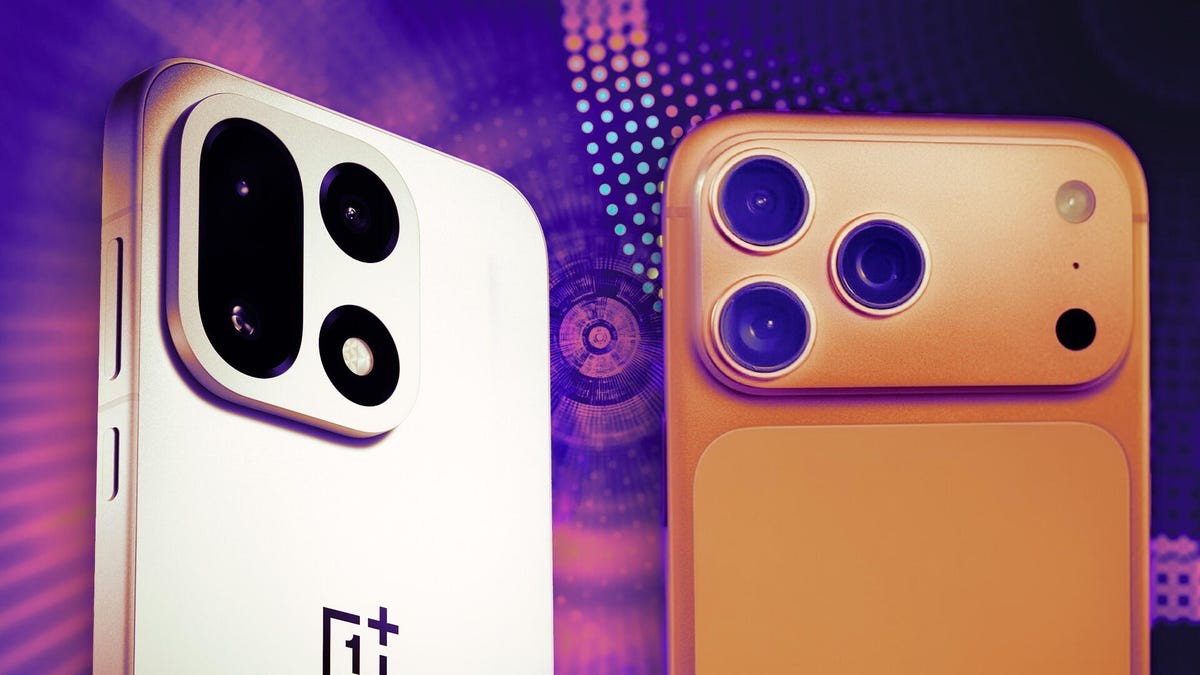
The OnePlus 15 arrived with high expectations, especially given its predecessor’s strong battery life and gaming performance. However, early testing reveals that while the hardware is competitive, the camera system lags behind Apple’s iPhone 17 Pro—one of the leading camera phones available today.
For years, OnePlus relied on a partnership with Hasselblad to refine its color science. With that collaboration now over, the OnePlus 15 faces increased scrutiny to deliver compelling camera performance independently. Meanwhile, Apple has rolled out the iPhone 17 Pro, featuring a new 48-megapixel 4x telephoto lens and a continuing reputation for photographic excellence.
To assess both devices, real-world testing was conducted in Edinburgh, Scotland, under diverse conditions. It’s crucial to acknowledge that “better” is subjective. Preferences vary; some prioritize natural tones, while others prefer vivid, saturated imagery. This analysis reflects professional standards, but individual tastes may differ.
All images were captured in standard JPEG format with minimal post-processing (resized in Adobe Lightroom without additional edits). Let’s examine the results.
Exposure and Detail: The iPhone’s Edge
Initial comparisons show the iPhone 17 Pro consistently delivers superior exposure. OnePlus’ aggressive noise reduction often sacrifices texture, resulting in smoothed-out details where the iPhone maintains clarity. This is particularly noticeable in scenes with complex textures, such as floors and surfaces. The iPhone’s dynamic range also appears more controlled, avoiding the overbrightening that plagues some OnePlus shots.
Ultrawide Performance: A Mixed Bag
The ultrawide lenses present a more nuanced comparison. While the OnePlus often retains more overall detail, the iPhone’s exposure frequently looks preferable. However, the OnePlus tends toward unnatural saturation, particularly in skies and foliage. This overemphasis on color can make images appear artificial rather than lifelike.
HDR Processing: Subtlety vs. Aggression
One of the most significant differences lies in HDR processing. OnePlus aggressively brightens shadows and pulls back highlights, often resulting in images lacking depth and contrast. The iPhone, conversely, maintains shadows more effectively, preserving a sense of realism. This approach is evident in indoor and low-light scenes, where the iPhone’s shots retain more natural depth.
Saturation and Color Accuracy
The OnePlus 15 consistently pushes saturation levels, creating vibrant but sometimes unrealistic colors. The iPhone prioritizes accurate color reproduction, allowing for more natural tones. This isn’t to say the OnePlus is inherently bad; some users may prefer its punchier aesthetic, but for those who value fidelity, the iPhone excels.
Telephoto Zoom: Clarity and Sharpening
At maximum zoom, the iPhone again demonstrates superior clarity and sharpness without excessive digital manipulation. The OnePlus’ software processing can introduce “crunchiness” or overly aggressive sharpening, resulting in a less refined look.
Low-Light Performance: A Close Contest
In low light, the OnePlus exhibits stronger sharpening, delivering crisper details in some instances. However, its saturation remains aggressive, sometimes resulting in unnatural colors. The iPhone’s low-light performance is more balanced, though it may sacrifice some sharpness for natural tones.
Conclusion
The iPhone 17 Pro emerges as the clear winner in this comparison. Its images consistently exhibit more natural colors, realistic saturation, and balanced exposure. OnePlus’ reliance on heavy-handed image processing often produces garish results. The iPhone prioritizes accuracy, offering a foundation for further editing without artificial enhancements.
While the OnePlus 15 may appeal to those seeking instant, vibrant photos for social media, the iPhone 17 Pro delivers a more refined and professional experience for photographers who prefer a natural starting point.