


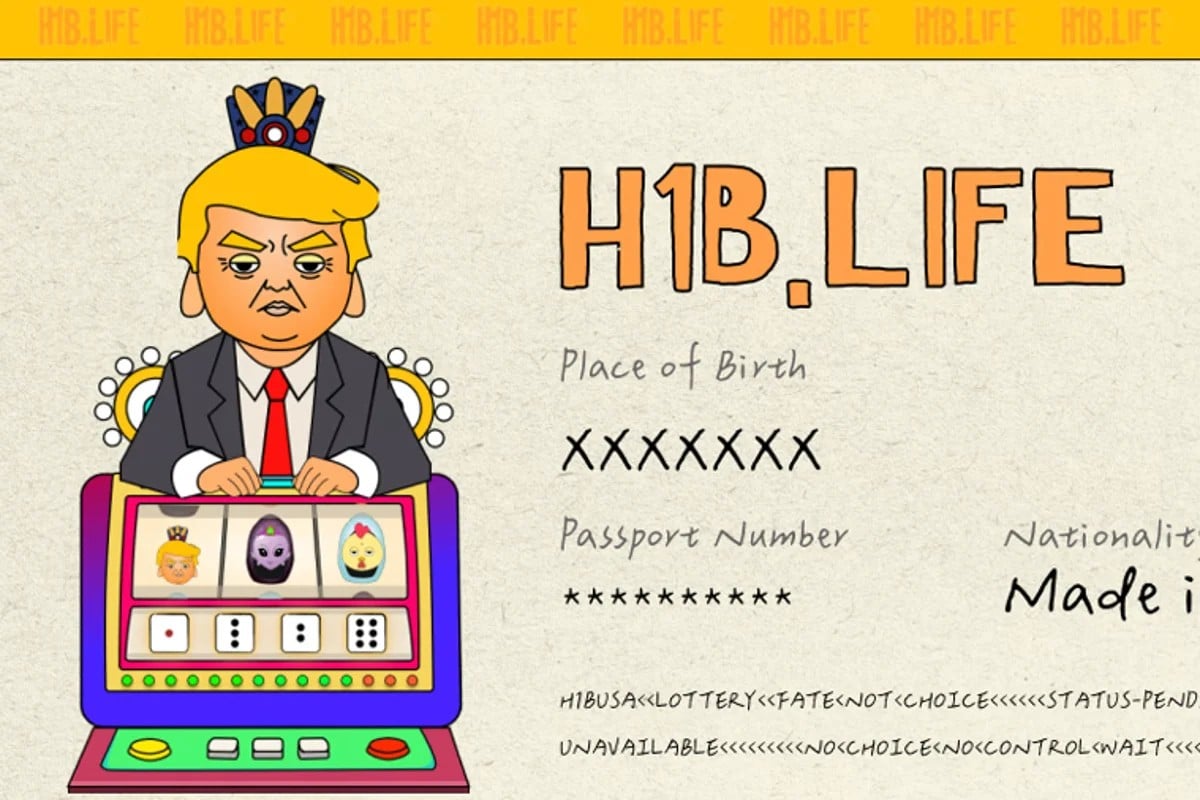
A new video game, H1B.Life, is set to release later this year, offering a darkly satirical take on the U.S. H-1B visa process. Developed by Reality Road, the game transforms the often-random selection of skilled worker visas into a surreal simulation of powerlessness, bureaucracy, and the desperate hope of immigrants. The game’s creator, Allison Yang, aims to expose how the system feels to those navigating it daily — a feeling many describe as akin to gambling with their futures.
The Superstitions and Realities of the H-1B Process
The game’s origins are rooted in the bizarre coping mechanisms immigrants adopt when facing such uncertainty. Yang notes that some Chinese coders believe paying tribute to Chick-fil-A – consuming large amounts of fried chicken – increases their chances in the annual visa lottery. This illustrates how, in an uncontrollable situation, people cling to superstitions for a sense of agency.
The H-1B visa allows U.S. companies to sponsor highly educated foreign workers in fields like tech, medicine, and science. While these jobs are often lucrative, applicants are heavily reliant on their employers, with little job security beyond a 60-day window to find new sponsorship if terminated. This precariousness has led to exploitation by unscrupulous “body shops” who keep workers in virtual servitude.
Trump’s Impact and the “Orange Buddha”
The game’s satire sharpens when depicting the impact of President Trump’s policies on the H-1B process. Increased fees, social media screenings, and sudden policy changes have left many applicants stranded, unable to return to the U.S. after traveling abroad. The game reflects this reality through the figure of the “Orange Buddha,” a chaotic deity representing the unpredictable nature of Trump’s administration.
One anonymous H-1B holder, “Julia,” described the anxiety of potential $100,000 fees, noting that U.S. citizens face no such burdens. This disparity highlights the privilege inherent in the system: those already benefiting from it remain unaffected while others face existential threats to their lives and careers.
The System’s Psychological Toll
H1B.Life isn’t just about policy; it’s about the emotional toll. Yang and her team interviewed real immigrants to capture the psychological rollercoaster of the process. The game includes a “burnout mode” representing the mental health crises many face, where desperation leads to unpredictable outcomes — from undocumented drag queen status to midnight cemetery concerts.
Yang argues that the system forces immigrants into impossible choices. Some take jobs they dislike, such as coding, simply for a shot at prosperity, while others make financial miscalculations based on unstable immigration prospects. The game aims to highlight this distortion of life goals under the pressure of uncertain legal status.
A Crumbling Dream?
The H-1B system, once viewed as a path to opportunity, is now facing backlash. Critics argue that it displaces U.S. workers and suppresses wages. Immigrants themselves feel betrayed by a system they once trusted. Yang notes that many feel punished for following the rules, questioning why their hard work and legal compliance are met with arbitrary restrictions.
H1B.Life is more than a game; it’s a dark reflection of the broken promises of the American Dream for those relying on a lottery to survive. The game exposes how immigration policy has become a brutal, unpredictable gamble, where even the most qualified applicants can be left powerless against arbitrary decisions.