




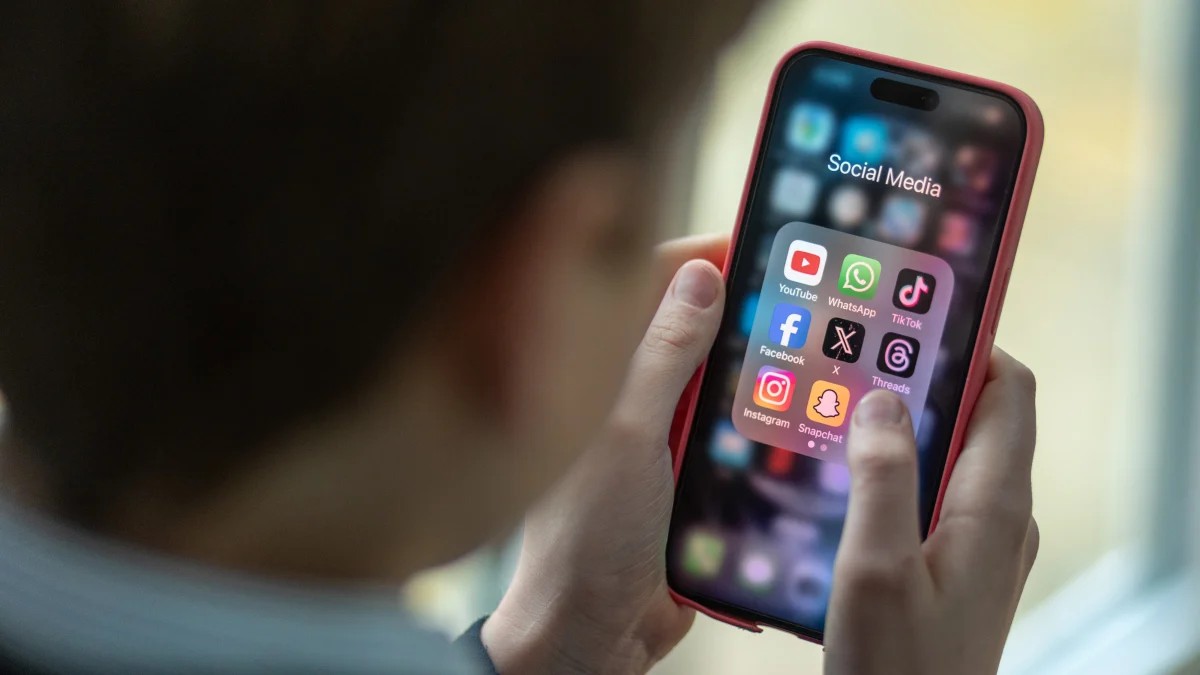
The CEO of Pinterest, Bill Ready, has publicly supported government bans on social media access for users under the age of 16. This move comes as governments worldwide explore stricter regulations, following Australia’s recent implementation of such a ban. Ready argues that current social media environments are fundamentally unsafe for children, citing tech companies’ failure to adequately address the negative consequences of unrestricted access.
The Case Against Unfiltered Access
In an opinion piece for Time, Ready describes the current state of social media as a massive, uncontrolled experiment on children. He points to documented effects like increased anxiety, depression, reduced attention spans, and exposure to harmful content as evidence of this failure. Ready draws a parallel between today’s tech leaders and the tobacco industry, accusing them of prioritizing engagement over user well-being.
The core issue is the design of these platforms: algorithms are optimized for maximizing screen time, often at the expense of mental health and development. Ready asserts that tech companies have neglected the responsibility to protect young users, allowing addictive features and unchecked interactions with strangers to flourish.
Pinterest’s Own Experiment
Despite allowing users as young as 13 on its platform, Pinterest has already taken steps to mitigate risks. The company removed all social features for users under 16, making their profiles private and blocking direct interaction with strangers. Surprisingly, this change did not result in a user decline.
In fact, Gen Z now makes up over 50% of Pinterest’s user base, suggesting that prioritizing safety builds trust rather than driving young people away. This internal experiment supports Ready’s argument that platforms can create safer environments without sacrificing growth.
The Path Forward: Regulation and Accountability
Ready advocates for proactive measures, including age verification requirements in app stores (like the proposed U.S. App Store Accountability Act) and clearer safety standards for all platforms. He warns that inaction will lead to a further deterioration of young people’s mental health, with anxiety and depression becoming even more widespread.
“The cost of inaction is a generation of young people overwhelmed by anxiety and depression,” Ready concludes. “It’s time to raise the bar on safety and well-being for kids.”
The CEO’s stance highlights growing pressure on tech companies to address the harmful effects of social media on children, either through self-regulation or government intervention. The debate centers on whether platforms can effectively police themselves or if more drastic measures are necessary to protect vulnerable users.