




2025 marked a significant shift in the relationship between the United States and China, characterized by escalating economic tensions and a surprising reversal in US policy. While geopolitical conflicts in Gaza, Ukraine, and Venezuela dominated headlines, the most critical U.S. national security development may have been the attempted economic war against China – and China’s robust counter-response.
The Initial US Offensive
The Biden administration, in its final months, imposed its most aggressive restrictions yet on the international trade of advanced semiconductor chips, primarily targeting China’s access to high-end AI development technology. This move stemmed from widespread concerns within both US political parties that the U.S. risked falling behind China in the critical race for AI supremacy, a competition viewed as central to 21st-century power dynamics.
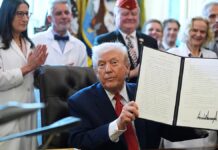
When Donald Trump returned to office, the aggressive posture continued. Within weeks, the administration levied a 10% tariff on China, citing alleged failures to combat fentanyl trade; this quickly doubled and eventually reached 145%, described by Treasury Secretary Scott Bessent as “effectively an embargo.”
China’s Countermove: Weaponizing Chokepoints
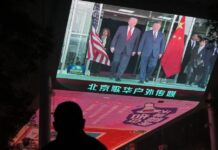
However, the US gambit backfired. The 145% tariffs triggered market instability and recession fears, forcing a swift reversal. Despite no concessions from China, the tariffs were slashed to 20% after a meeting between Trump and Xi Jinping. Even more significantly, the administration reversed course on chip export restrictions, approving sales of Nvidia’s advanced H200 chips despite opposition from within the GOP.
China retaliated by imposing its own 125% tariffs and halting purchases of American soybeans. Critically, it weaponized its dominance in rare earth metals – essential for US automobile, electronics, and defense industries – suspending exports and creating immediate panic as US companies realized they had only weeks of stock. This move, described by Senator Mark Warner as a “holy shit” moment, forced the US to reconsider its strategy.
The Shift in Balance of Power
China’s response demonstrated a capacity to sustain economic pressure longer than the US, leveraging its authoritarian political system and long-term planning. The rare earth restrictions served as a stark reminder of US dependence on Chinese supply chains, forcing a policy reversal. This was not an isolated incident. China has been systematically building legal frameworks to counter perceived US economic coercion, mirroring US tactics like the “entity list” and export controls.
The events of 2025 signal a fundamental shift in the power balance. China has demonstrated that it can effectively retaliate against US economic pressure, forcing the US to reconsider its aggressive posture. The future of trade wars is now uncertain, with China signaling that it will continue to weaponize its economic leverage.
The US is scrambling to reduce its dependence on Chinese rare earths, investing in domestic mining and securing deals with Australia and Saudi Arabia. However, these efforts will take years, and China’s economic weapons remain potent. The year’s events send a clear message to the world: economic warfare is a high-stakes game, and China may be willing to escalate further than the US.