



For most of history, kings envied the everyday comforts enjoyed by ordinary Americans today. We live in climate-controlled homes, drive powerful vehicles, carry pocket-sized devices with unlimited access to information, and benefit from medical advancements that would have been unimaginable just a century ago. Yet, despite this unprecedented prosperity, many Americans don’t feel particularly happy.
This apparent disconnect has puzzled economists and social theorists for decades. While wealth has increased steadily in developed nations, reported happiness levels have remained stagnant – or even declined. Since 1996, median household income in the US has risen by 26%, but the share of Americans describing themselves as “not too happy” has also increased, while the segment reporting “very happy” has shrunk. This trend, dubbed the “vibecession” by some, raises a critical question: if economic growth doesn’t reliably translate into greater well-being, what does?
The Zero-Sum Game of Status
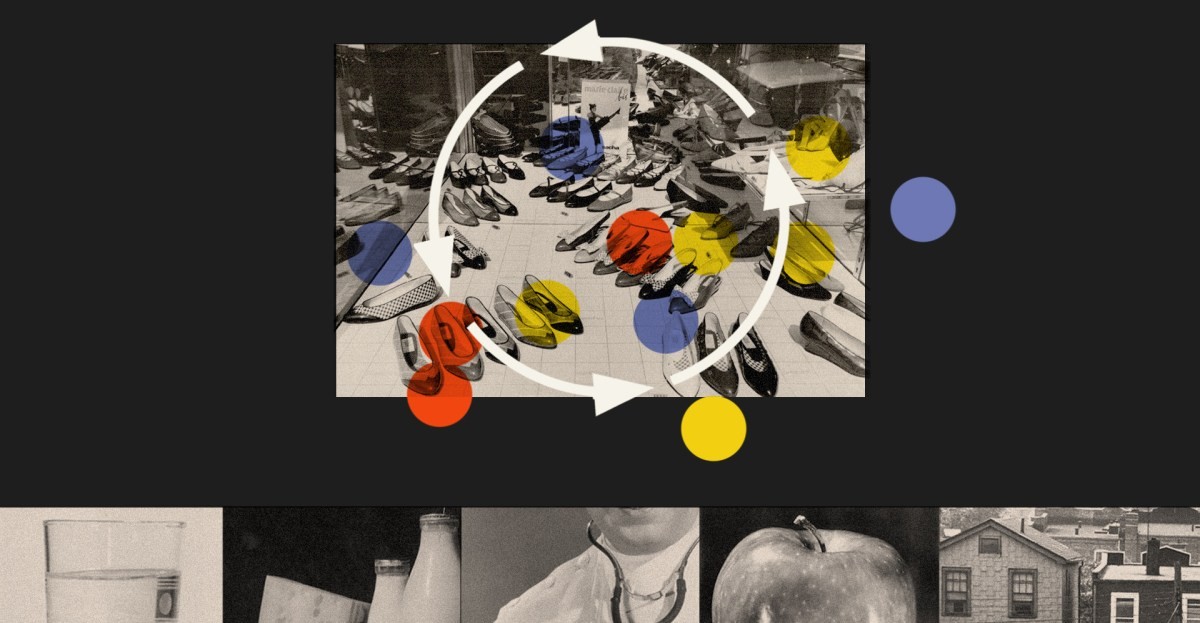
One prominent theory suggests that happiness in wealthy societies is less about absolute wealth and more about relative position. Human beings are inherently social creatures, and status matters. In a competitive economy, simply maintaining your place requires constant consumption. As the philosopher Tim Jackson and anthropologist Jason Hickel argue, much of our economic activity is a zero-sum game, where individuals must continually “keep up with the Joneses” just to avoid falling behind.
This explains why a raise and a new home theater might temporarily boost well-being, but only because it closes the gap with wealthier peers. When everyone upgrades, the cycle begins again. The effect is not about intrinsic value, but about avoiding relative deprivation.
The Degrowth Debate: A False Dichotomy?
This logic fuels the “degrowth” movement, which argues that rich countries can improve well-being by reducing resource consumption without harming their populations. If Americans are chasing status in a futile arms race, the argument goes, then downscaling the economy could free up time and resources for things that truly matter: healthcare, education, and a cleaner environment.
However, the idea that wealthy nations can simply produce less without consequences is flawed. While diminishing returns may exist beyond a certain point, reducing economic output can still harm well-being. People are loss-averse; they react more strongly to losses than equivalent gains. Even if growth doesn’t reliably increase happiness, a sudden decline in income would likely make people unhappier.
The post-pandemic inflation surge provides a real-world example: while income inequality temporarily fell, Americans’ economic confidence and life satisfaction still plunged as their purchasing power eroded. This suggests that absolute income matters, even in a society obsessed with relative status.
Beyond the Status Game: What Truly Drives Happiness?
The paradox of wealth suggests that optimizing an economy for happiness requires shifting what we produce, not simply producing less. Humans have fundamental needs – food, shelter, healthcare – and meeting those needs reliably increases well-being. But beyond that, chasing status through material possessions offers diminishing returns.
The question, then, isn’t whether money can buy happiness, but how money is spent. A society focused on providing basic necessities, promoting social connection, and fostering meaningful work might be happier than one obsessed with endless consumption.
Ultimately, economic growth alone is not a guarantee of well-being. Happiness is not a byproduct of prosperity, but a deliberate pursuit that requires a fundamental shift in values and priorities.