



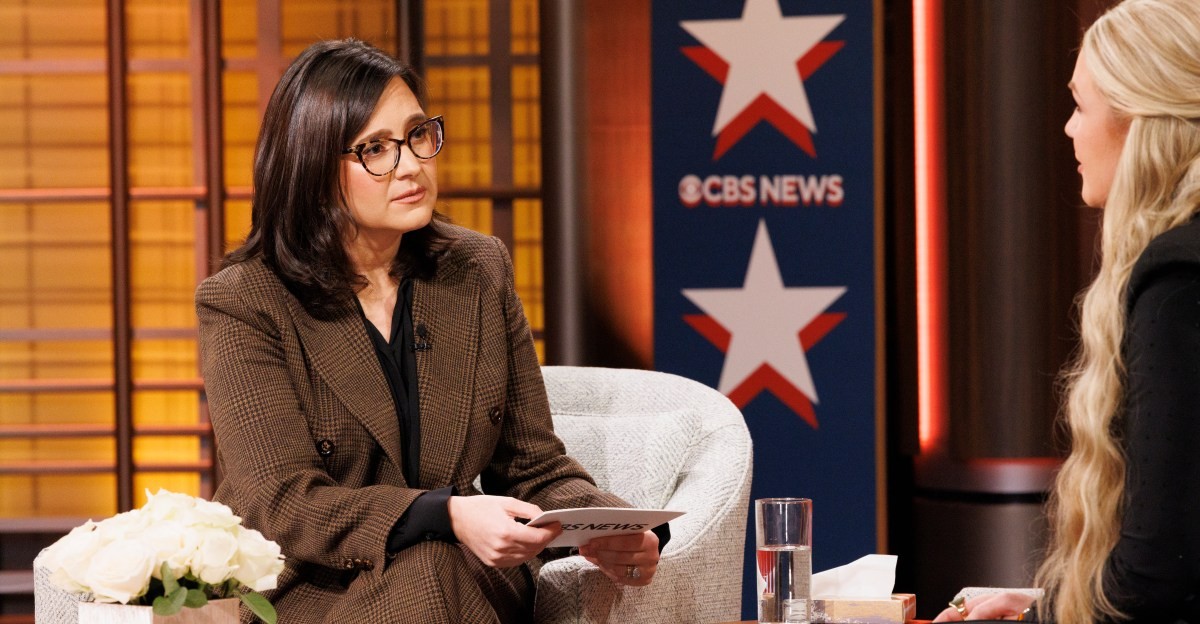
Recent events at CBS News raise serious questions about editorial independence, with accusations that editor-in-chief Bari Weiss intervened to halt a 60 Minutes report critical of the Trump administration. The controversy centers on a planned investigation into conditions at El Salvador’s CECOT prison, where migrants sent by the Trump administration are allegedly held in harsh conditions.
The Intervention and Internal Fallout
Just hours before its scheduled broadcast, Weiss reportedly “spiked” the story, citing insufficient new material and a lack of on-camera interviews with Trump officials. This decision triggered an internal backlash, with correspondent Sharyn Alfonsi labeling the move as “political,” a “betrayal,” and an act of “corporate censorship.” Leaked internal communications suggest Weiss insisted the report needed to better represent the administration’s perspective.
Billionaire Influence and Quid Pro Quo Concerns
Critics allege Weiss’s actions stem from pressure to appease Larry and David Ellison, the billionaires who recently acquired CBS’s parent company, Paramount. The Ellisons, who also own Weiss’s publication The Free Press, are reportedly seeking favorable treatment from the Trump administration to facilitate further media consolidation deals. Former President Trump has publicly criticized 60 Minutes for perceived bias since the takeover, implying a quid pro quo: shape coverage to his liking or risk losing access.
Weiss’s History of “Political Correctness” Toward Trump
Weiss’s approach to covering the Trump administration aligns with her editorial stance at The Free Press. While publishing critiques, her publication often adopts a measured tone, seemingly designed not to alienate its conservative audience. This approach extends to avoiding overly adversarial coverage, even when the administration engages in controversial policies. Some observers note that The Free Press has been notably less critical of Trump than other center-right outlets.
Trump’s Direct Pressure and CBS’s Dilemma
Trump himself has repeatedly called out 60 Minutes, claiming its coverage has worsened since the Ellisons’ acquisition. He explicitly linked his approval to favorable treatment, warning that the network is “no better” than its previous ownership if it continues to criticize him. This direct pressure, combined with the Ellisons’ business interests, created a highly charged environment leading up to the CECOT story’s suppression.
The Broader Implications
The incident underscores a growing trend: the increasing influence of wealthy owners on newsroom decisions. With media consolidation accelerating, editorial independence is at risk as corporate interests and political agendas converge. The CBS News situation serves as a stark reminder that even established journalistic institutions are vulnerable to pressure from powerful stakeholders.
Ultimately, this controversy highlights the fragility of journalistic integrity in an era of concentrated media ownership and direct political interference. The question remains whether CBS News can maintain its credibility while navigating these competing forces.


