




A routine checkup saved Qiu Sijun, a 57-year-old retiree in eastern China, from a potentially fatal delay in pancreatic cancer diagnosis. Just three days after a standard diabetes test, he received an unexpected call from Dr. Zhu Kelei, head of the hospital’s pancreatic department, requesting a follow-up.
The reason? Artificial intelligence (AI) had detected an early-stage tumor in his routine CT scan, before Mr. Qiu experienced any symptoms. This allowed for prompt surgical removal, dramatically improving his prognosis.
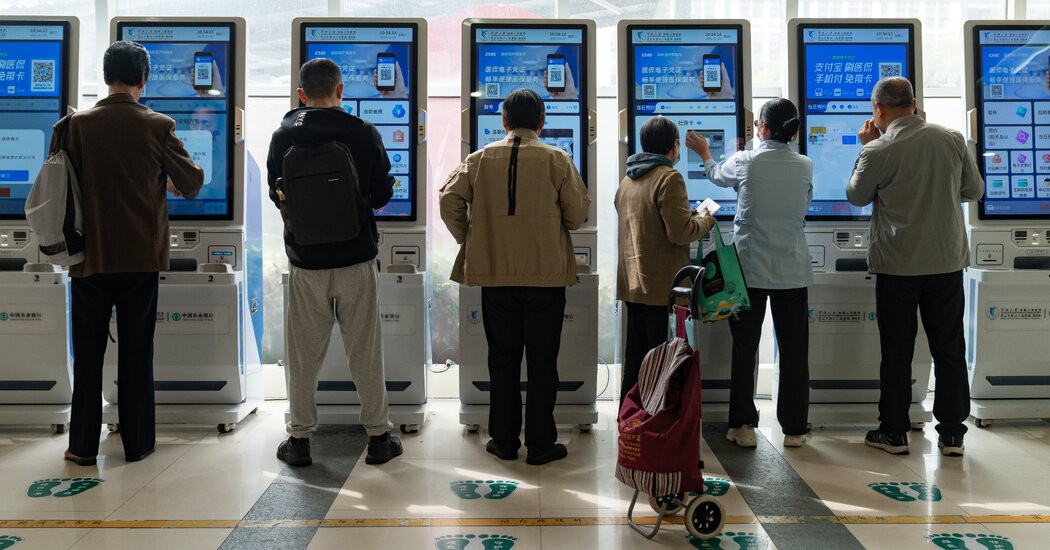
This case is indicative of a growing trend in China: hospitals and tech firms are rapidly deploying AI-powered diagnostic tools to tackle some of the most challenging medical problems. Pancreatic cancer, notoriously difficult to detect early, is one key focus. Early detection is critical because pancreatic cancer is often fatal when found in later stages.
The AI system, currently being tested at the hospital, analyzes CT scans with remarkable speed and accuracy, flagging anomalies that human radiologists might miss, particularly in the early, asymptomatic phases of the disease. This means more patients like Mr. Qiu can receive life-saving intervention before the cancer spreads.
The race to integrate AI into healthcare isn’t just about speed; it’s about equity. China’s AI push in medicine could reduce disparities in access to high-quality diagnostics, especially in rural areas where specialist doctors are scarce.
This technology demonstrates the potential of AI to revolutionize healthcare, moving from reactive treatment to proactive prevention, and ultimately saving lives.