


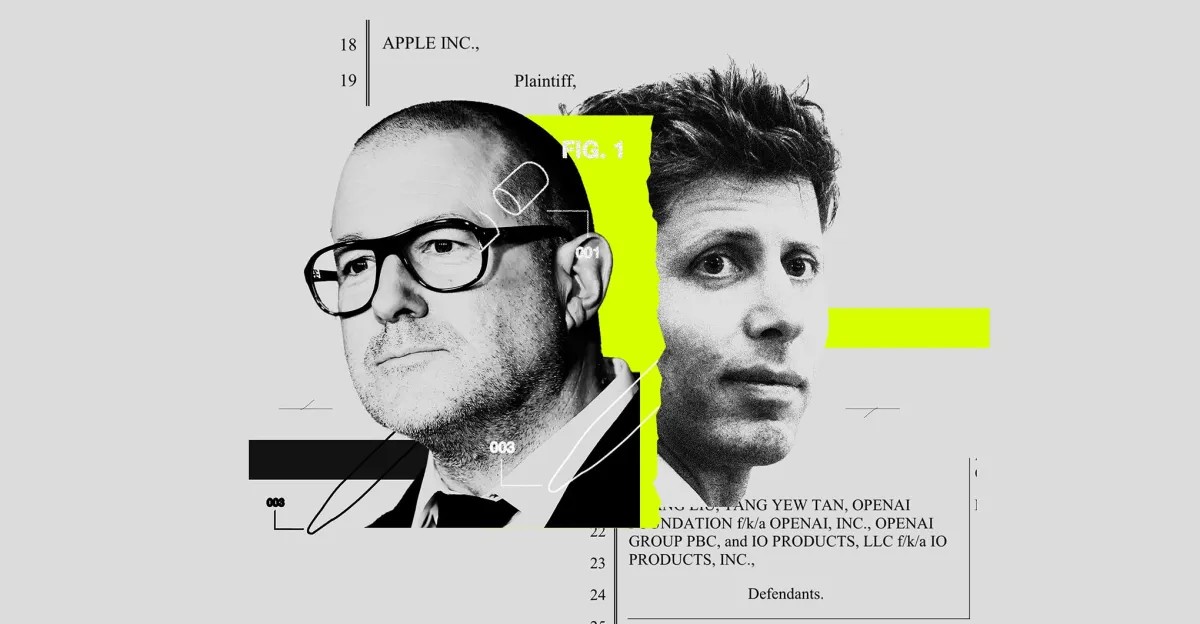
The Apple-OpenAI trade secrets lawsuit isn’t just another IP dispute. It’s a potential death spiral for the company that defined the current AI boom.
Apple accuses OpenAI and several ex-employees of stealing confidential information. This includes downloading hardware files from Apple servers. It also involves soliciting trade secrets during job interviews.
OpenAI denies the allegations. But the legal experts I spoke with aren’t optimistic. Apple is a tenacious litigant. They have the money to drag this out. OpenAI doesn’t. Not yet.
Who Is the Mastermind Behind the Claims?
Tang Tang is at the center of this mess. He was VP of the Apple Watch. He spent 24 years at Apple before joining Jony Ive’s io Products. OpenAI acquired io Products in 2025 for $6.5 billion.
Tang is now OpenAI’s chief hardware officer.
The lawsuit alleges he orchestrated the theft. He reportedly asked interviewees to bring hardware outside Apple offices for a “show and tell.” He also allegedly asked about secret project names to make candidates feel safe sharing details.
One ex-Apple employee reportedly accessed confidential data and sent a message saying, “LOL! So funny that I can this.”
It sounds petty. That’s because it might be personal.
Why Apple’s Litigation Strategy Fears No One
Apple has sued Microsoft. They sued Samsung. Microsoft is fine. Samsung paid around $1 billion in damages and thrived. Apple didn’t kill their competitors. But they redefined patent and copyright law in the process.
OpenAI isn’t Microsoft. It isn’t Samsung.
OpenAI is burning cash. They are about to go public. Investors are watching their bottom line. A multi-billion dollar settlement would be catastrophic. A drawn-out trial would be worse. It would distract from their IPO.
Tim Cook once told me he sued Samsung because licensing fees were out of whack. I knew that was a lie. He was mad. He wanted to run the lawsuit to the ground.
That’s likely what’s happening here. Apple has bad blood with Jony Ive. Ive called the iPhone a “legacy device” in a video with Sam Altman. Apple didn’t mention Ive in the lawsuit. That’s a smart move by Apple. Or maybe Ive is just too good at covering his tracks.
Why OpenAI Needs Apple’s Know-How
Hardware is hard.
AI startups keep failing at it. The Humane AI Pin was embarrassing. Rabbit R1 was a disaster. Consumers are skeptical. If you make a hardware device in 2026, it better work. Or you’ll be a laughingstock.
OpenAI knows this. They’ve seen software pivots fail. In hardware, you can’t delete a bug. You can’t roll a feature back. You have to get it right from day one.
That’s why they hired Jony Ive. That’s why they hired Tang Tang. They need Apple’s experience. They need to know how to build a device people actually want.
The Strategic Void at OpenAI
OpenAI is adrift. They’re trying to compete in both enterprise and consumer markets. They’re turning over executives. They’re in constant crisis mode.
Apple’s lawsuit exploits that weakness.
If OpenAI pays Apple, they bleed capital. If they fight, they bleed focus. Either way, they lose.
The question isn’t whether OpenAI stole secrets. It’s whether they can survive the fallout.
Apple doesn’t care about winning. They care about hurting their competitors. OpenAI is just another target.
And they’re not built to take a hit like this.
What happens next will tell us everything we need to know about OpenAI’s future. Are they a company? Or are they just a hype machine that’s finally hitting the ground?
The answer matters for all of us. Because if OpenAI falls, the whole AI industry might follow.
Or it might just move on. Without them.
That’s the real fear.


